
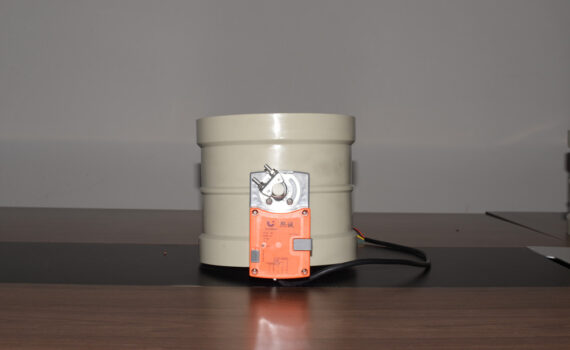
The Ultimate Guide to PP Air Valve: Working Principles, Selection & Installation
Category : Blog
Air trapped inside a pressurized piping system is one of the most persistent and costly problems in water distribution, wastewater conveyance, chemical processing, and industrial fluid handling. Unreleased air pockets reduce pipeline flow capacity, increase energy consumption at pumping stations, accelerate corrosion on metallic components, and create dangerous pressure surges — known as water hammer — that can fracture pipes and damage fittings. The device engineered specifically to solve this problem is the air valve, and when the transported medium is corrosive, abrasive, or chemically aggressive, the valve body material becomes as critical as the valve’s hydraulic performance. This is where the PP air valve has earned its place as an essential component in modern piping infrastructure.
A PP air valve is constructed from polypropylene, a thermoplastic polymer renowned for its broad chemical resistance, lightweight construction, and long service life in environments that rapidly degrade metal and even some other plastic valve materials. From municipal wastewater treatment plants and desalination facilities to chemical manufacturing and mining operations, the PP air valve is deployed wherever pipelines must reliably expel accumulated air, admit air during negative-pressure events, and release air continuously during normal flow conditions. Despite its widespread adoption, many engineers and system designers still lack a thorough understanding of how a PP air valve works internally, how to select the correct type and size for a given application, and how to install and maintain it for maximum service life. This guide fills that gap, providing a complete technical reference on PP air valve working principles, type selection, material comparisons, installation best practices, maintenance protocols, and troubleshooting procedures.
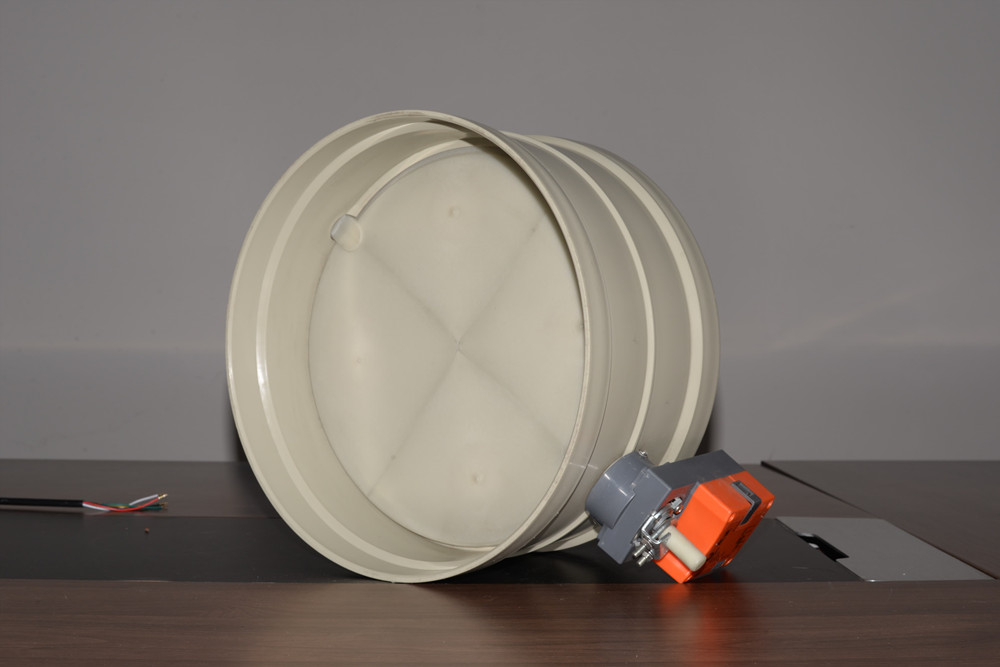
What Is a PP Air Valve and How Does It Work?
Polypropylene Material Properties: Why PP Is Ideal for Air Valves
Polypropylene (PP) is a semi-crystalline thermoplastic polymer belonging to the polyolefin family, produced through the catalytic polymerization of propylene monomers. It is available in homopolymer and copolymer grades, each offering slightly different mechanical and thermal profiles. For valve applications, the material’s most important attribute is its exceptional chemical inertness. Polypropylene resists virtually all inorganic acids — including sulfuric, hydrochloric, nitric, and hydrofluoric acids — as well as strong alkalis, saline solutions, and a broad spectrum of organic solvents (citation:1)(citation:7). This resistance is not a surface treatment or coating; it is an inherent property of the polymer’s molecular structure, meaning it does not degrade, diminish, or wear away over time.
Beyond chemical resistance, polypropylene offers several practical advantages for valve construction. It has a low density (approximately 0.90–0.91 g/cm³), making PP air valve units significantly lighter than their metal equivalents — a benefit that simplifies handling, reduces support requirements on piping, and lowers shipping costs. The material has good impact resistance at ambient temperatures, a continuous service temperature range up to approximately 90°C, and excellent fatigue resistance under cyclic pressure loading. Polypropylene is also non-toxic and approved for contact with potable water under standards such as NSF/ANSI 61, making PP air valve units suitable for drinking water applications. For detailed material specifications and chemical resistance data, valve manufacturers such as https://ppairvalve.com/ provide comprehensive engineering resources.
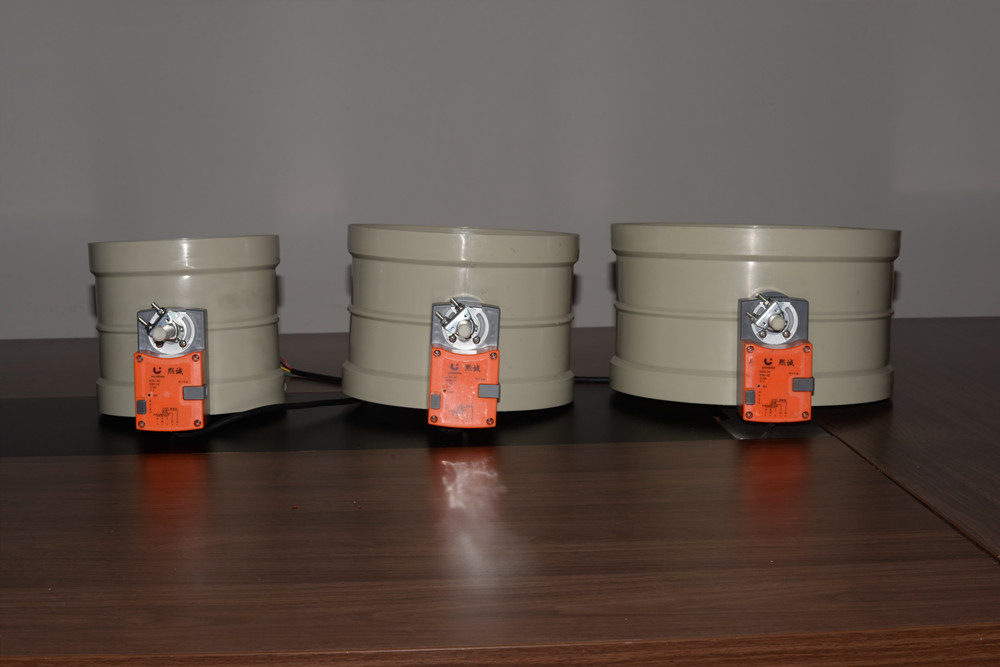
Core Working Principles and Operating Mechanism
A PP air valve operates on a simple but effective principle: it uses the differential pressure between the pipeline interior and the atmosphere to automatically open and close internal sealing mechanisms in response to the presence or absence of air. During normal pipeline operation, water or process fluid fills the pipeline under pressure. Any air present in the system migrates to high points — such as peaks, elbows, and pump discharge headers — where it accumulates. The PP air valve is installed at these high points to capture and expel this air.
Inside the valve, a float mechanism is the primary control element. When air is present in the valve body, the float drops under gravity, unseating the sealing mechanism and opening an orifice that allows air to exhaust to the atmosphere. As air is expelled and liquid rises into the valve body, the float rises with the liquid level, pushing the seal back onto the orifice seat and closing the valve to prevent liquid from escaping. This cycle repeats continuously as air accumulates and is released. For large volumes of air — such as during pipeline filling or draining — the large orifice opens fully to allow rapid air movement. During normal operation with small, continuous air release, a small orifice remains active to bleed air gradually without disturbing system pressure. The entire mechanism is passive, requiring no external power source, actuator, or control signal, which is a key reason why PP air valve units are favored for remote or unmanned installations where reliability and simplicity are paramount.
Key Components and Internal Structure Explained
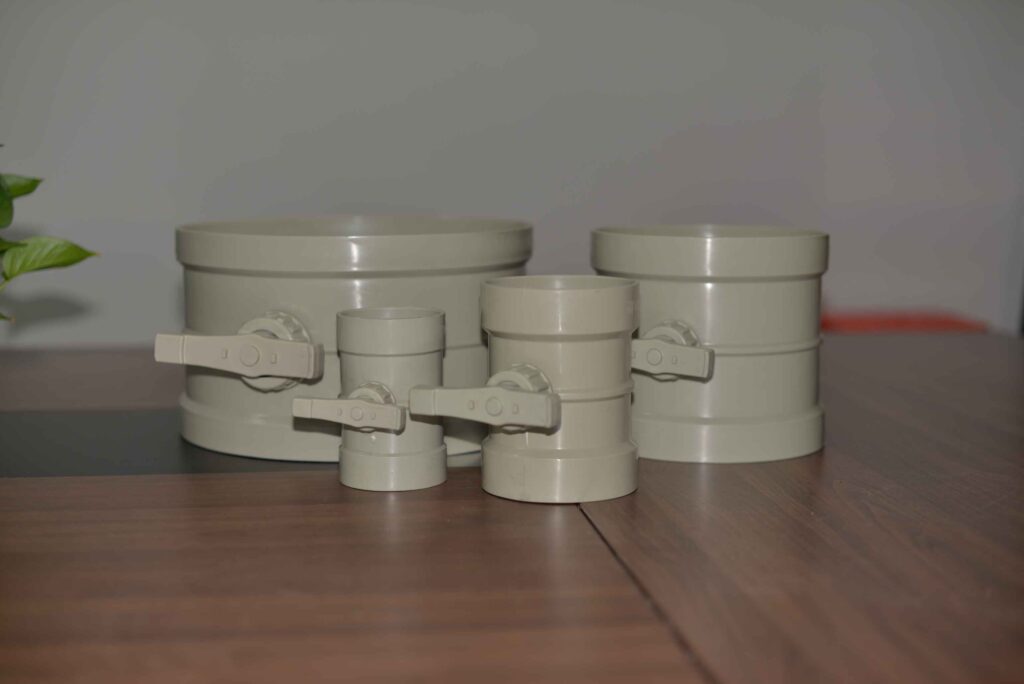
Although the specific design varies by manufacturer and valve type, a standard PP air valve contains several core components that work together to manage air in the pipeline. The valve body is the main housing, injection-molded or machined from solid polypropylene, and it defines the valve’s pressure rating, connection size, and chemical compatibility. The body typically features a threaded, flanged, or solvent-cement connection for integration into the pipeline. Inside the body, the float assembly — comprising a hollow or solid polypropylene float connected to a linkage mechanism — rises and falls with the liquid level to actuate the sealing mechanism.
The sealing mechanism consists of an elastomeric seal (typically EPDM or FKM, selected for chemical compatibility with the process medium) mounted on a seal holder that mates with a precision-machined orifice seat in the valve body. In single-orifice designs, one seal and seat combination controls all air flow. In double-orifice designs, a large orifice handles bulk air release during filling and draining, while a small orifice handles continuous air release during normal operation. The bonnet or cover caps the valve body and provides access for internal inspection and maintenance. Some PP air valve designs incorporate an anti-slam mechanism — a damping device that slows the float’s rise as liquid enters the valve, preventing the seal from slamming onto the orifice seat and causing destructive water hammer. The following table summarizes the key components and their functions:
| Component | Material | Function |
|---|---|---|
| Valve Body | Polypropylene (PP) | Main housing; defines pressure rating and chemical compatibility |
| Float Assembly | PP or PP with sealed air chamber | Rises/falls with liquid level to actuate seal |
| Seal | EPDM, FKM, or PTFE | Creates bubble-tight closure on orifice seat |
| Orifice Seat | PP or stainless steel insert | Precision surface for seal mating |
| Bonnet / Cover | PP | Protects internals; allows maintenance access |
| Anti-Slam Device | PP or stainless steel | Prevents water hammer during valve closure |
| Screen / Filter | PP or stainless steel mesh | Prevents debris from entering valve body |
For a visual breakdown of these components and their assembly, detailed product diagrams are available at https://ppairvalve.com/.
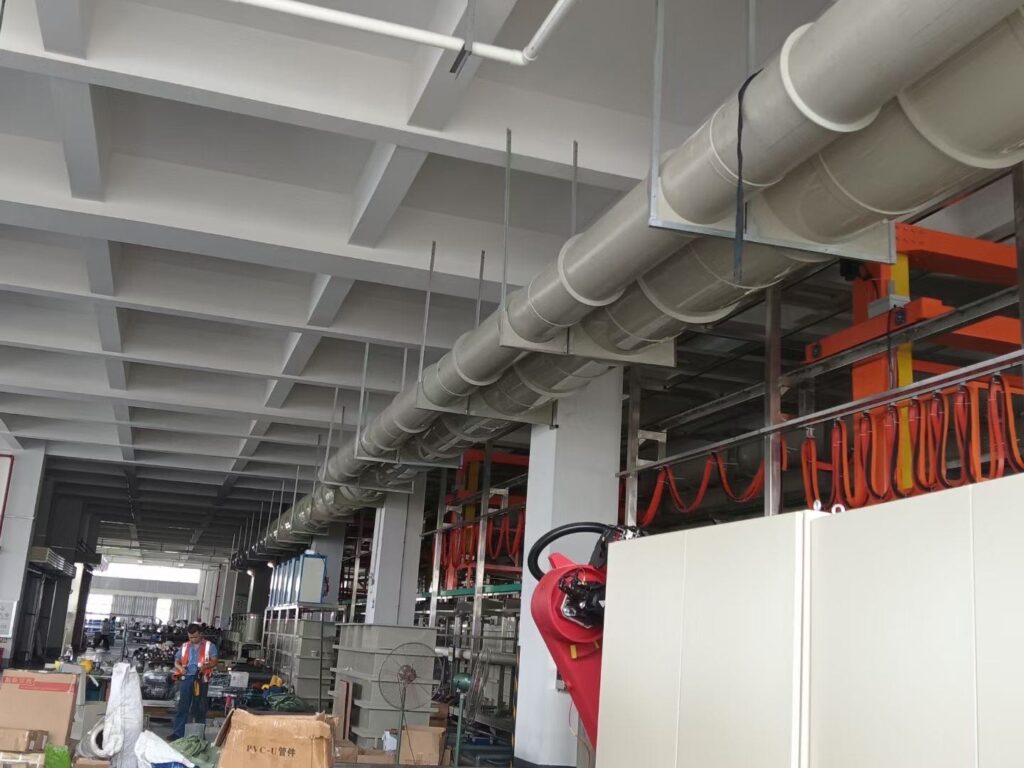
Types of PP Air Valves and How to Choose the Right One
Single-Orifice, Double-Orifice, and Combination Air Valve Types
PP air valve units are manufactured in three primary configurations, each designed to address a specific air management scenario in pressurized pipelines. Understanding the differences between these types is essential for proper system design. The single-orifice air valve — also called an air release valve — features one small orifice and is designed to discharge small, accumulated volumes of air continuously during normal pipeline operation. It is effective at high points where air pockets form gradually over time but is not designed to handle large volumes of air during filling or draining events. Single-orifice PP air valve units are the simplest and most economical option, making them suitable for straightforward applications with predictable air accumulation rates.
The double-orifice air valve incorporates two separate orifices within a single valve body: a small orifice for continuous air release during normal operation and a large orifice for rapid intake or exhaust of large air volumes during pipeline filling, draining, or pump start-up/shutdown events. The large orifice opens when the float drops fully, allowing bulk air movement at rates many times greater than the small orifice can handle. This dual-function design makes the double-orifice PP air valve the most versatile option, and it is the most commonly specified type in municipal water and wastewater systems (citation:3). The combination air valve merges both functions — continuous air release and large-volume air intake/exhaust — into a single, integrated unit, often with the two orifice assemblies stacked vertically within one body. Combination PP air valve units are preferred at critical high points where both functions are required and space is limited.
Critical Selection Criteria: Size, Pressure Rating, and Media Compatibility
Selecting the correct PP air valve for a given application requires careful evaluation of several interdependent parameters. First, orifice size must be matched to the pipeline diameter and expected air flow rates. Industry guidelines, such as those published by the American Water Works Association (AWWA), recommend specific valve orifice sizes relative to pipeline diameter — for example, a 50mm (2″) combination valve for pipelines up to 300mm (12″) diameter, with larger valves for larger mains. Undersizing the valve results in inadequate air release, while oversizing adds unnecessary cost.
Second, the pressure rating of the PP air valve must exceed the maximum working pressure of the pipeline, including transient surge pressures. Standard PP air valve ratings range from PN10 (10 bar / 145 psi) to PN16 (16 bar / 232 psi), with higher ratings available for specialized applications. Third, media compatibility is critical: the valve body (PP), float (PP), and seal material (EPDM, FKM, or PTFE) must all be chemically compatible with the transported fluid. For aggressive chemicals, FKM (Viton) seals are preferred over EPDM, and the polypropylene grade should be verified against the specific chemical concentration and temperature. Fourth, connection type — threaded (BSP/NPT), flanged (ANSI/DIN), or solvent-cement — must match the pipeline connection standard. Fifth, temperature rating must be confirmed: standard PP air valve units are rated for continuous operation up to 90°C, which covers most water, wastewater, and chemical applications but excludes high-temperature steam or hot oil systems. The following checklist summarizes the selection process:
| Selection Parameter | Key Consideration | Typical Range |
|---|---|---|
| Valve Type | Single, double, or combination | Match to air management need |
| Orifice Size | Match to pipeline diameter and air volume | ½” to 4″ orifice |
| Pressure Rating | Must exceed max system pressure + surge | PN10 to PN16 standard |
| Seal Material | Must be compatible with process medium | EPDM, FKM, PTFE |
| Connection Type | Must match pipeline standard | Threaded, flanged, solvent-cement |
| Temperature Rating | Must cover process temperature range | -10°C to +90°C continuous |
| Installation Location | High points, pump discharge, long ascents | Per hydraulic profile |
PP Air Valve vs. PVC, PVDF, and Metal Alternatives: A Comparison
When specifying an air valve for a corrosive or chemically aggressive piping system, engineers typically evaluate four material options: PP (polypropylene), PVC (polyvinyl chloride), PVDF (polyvinylidene fluoride), and metal alloys such as ductile iron, bronze, or stainless steel. Each material presents distinct trade-offs in chemical resistance, temperature capability, mechanical strength, cost, and service life. PP air valve units offer the broadest chemical resistance among common thermoplastic options, excellent resistance to stress cracking, and the lowest lifecycle cost in most corrosive applications. PVC valves are slightly less expensive but have a narrower chemical resistance window — particularly poor against ketones, chlorinated solvents, and concentrated acids — and a lower maximum temperature (60°C vs. 90°C for PP). PVDF offers superior chemical resistance and higher temperature tolerance (up to 140°C) but at a significantly higher material cost that is justified only in extreme chemical environments. Metal valves — particularly ductile iron with internal rubber lining or stainless steel — provide high mechanical strength and temperature capability but are susceptible to internal corrosion, require protective coatings that degrade over time, and are heavy and expensive.
| Performance Dimension | PP Air Valve | PVC Valve | PVDF Valve | Stainless Steel Valve |
|---|---|---|---|---|
| Chemical Resistance | Excellent — broadest among thermoplastics | Good — limited vs. some solvents | Superior — widest chemical range | Moderate — chloride-sensitive |
| Max Continuous Temp. | 90°C | 60°C | 140°C | 800°C+ |
| Weight | Very light | Light | Light | Heavy |
| Pressure Rating | PN10–PN16 | PN10–PN16 | PN16–PN25 | PN16–PN40+ |
| UV Resistance | Moderate (additive-stabilized) | Poor without coating | Good | N/A (metal) |
| Service Life (Corrosive) | 15–20+ years | 8–12 years | 20–25 years | 5–10 years (coating dependent) |
| Initial Cost | Low to moderate | Low | High | High |
| Lifecycle Cost | Lowest in corrosive service | Moderate | Moderate to high | Highest |
| Potable Water Approval | NSF/ANSI 61 certifiable | NSF/ANSI 61 certifiable | NSF/ANSI 61 certifiable | Material dependent |
This comparison demonstrates that the PP air valve occupies an optimal balance point for the majority of corrosive fluid handling applications — delivering broad chemical resistance, adequate temperature and pressure ratings, lightweight construction, and the lowest total cost of ownership across a typical 20-year service horizon.
PP Air Valve Installation, Maintenance, and Troubleshooting
Step-by-Step Installation Guide and Best Placement Practices
Correct installation of a PP air valve is essential to its performance, longevity, and the overall health of the piping system. The first consideration is placement location. Air valves must be installed at pipeline high points where air naturally accumulates due to gravity, at regular intervals along long horizontal or ascending pipeline runs (typically every 500m to 800m as recommended by AWWA M51), at pump discharge headers, downstream of pressure-reducing valves, and at pipeline summits where negative pressure during pump shutdown can cause column separation. The valve must be installed vertically — never at an angle or horizontally — to ensure the float mechanism operates correctly under gravity.
The installation procedure begins with isolating and depressurizing the pipeline section. The PP air valve is connected to the pipeline via an isolation valve (typically a ball valve or gate valve) that allows the air valve to be removed for maintenance without draining the pipeline. The connection is made using the specified method — threaded connection with PTFE tape for small diameters, flanged connection with compatible gasket for medium diameters, or solvent-cement joint for PVC-to-PP transitions. All connections must be checked for alignment to prevent mechanical stress on the valve body. After connection, the isolation valve is opened slowly while monitoring for leaks. The system is then pressurized gradually, and the PP air valve is observed to confirm that it releases air during filling and closes properly when liquid reaches the valve. During commissioning, the pipeline should be filled slowly (at controlled velocity) to allow the air valve sufficient time to expel large air volumes through the large orifice without causing pressure transients. For detailed installation instructions specific to each valve model, manufacturers such as https://ppairvalve.com/ provide step-by-step technical guides.
Routine Maintenance Schedule and Inspection Checklist
Although PP air valve units are inherently low-maintenance devices thanks to the corrosion resistance of polypropylene and the simplicity of the float-and-seal mechanism, a disciplined inspection schedule ensures reliable long-term performance and prevents unexpected failures. The recommended maintenance protocol includes quarterly external inspections, semi-annual functional checks, and annual internal inspections. Quarterly external inspections involve visual examination of the valve body for cracks, UV degradation (indicated by chalking or discoloration of the PP surface), physical damage, and evidence of leakage around connections. Semi-annual functional checks involve slowly closing the downstream isolation valve to force air accumulation at the valve location, then verifying that the PP air valve opens and exhausts air as expected. Annual internal inspections — performed during scheduled pipeline shutdowns — require removing the bonnet and inspecting the float, seal, and orifice seat for wear, chemical attack, or debris accumulation.
The following checklist provides a structured maintenance framework:
| Maintenance Task | Frequency | Action |
|---|---|---|
| External visual inspection | Quarterly | Check body for cracks, leaks, UV degradation |
| Functional air release test | Semi-annually | Verify valve opens and closes under controlled conditions |
| Internal inspection | Annually | Inspect float, seal, orifice seat for wear or damage |
| Seal replacement | As needed (typically 3–5 years) | Replace EPDM/FKM seal if compression set or chemical attack is evident |
| Screen / filter cleaning | Semi-annually | Remove debris from inlet screen to prevent blockage |
| Connection integrity check | Annually | Verify threaded, flanged, or solvent-cement joints are tight |
| Documentation update | After each inspection | Log findings, actions, and component replacements |
Maintaining this schedule ensures that the PP air valve continues to perform its critical function of air management throughout its design service life, while providing the documented inspection records that regulatory frameworks increasingly require for infrastructure compliance (citation:5).
Common Problems, Causes, and How to Fix Them
Even with proper installation and routine maintenance, PP air valve units can develop operational issues over time. Understanding the most common problems, their root causes, and their remedies enables operators to respond quickly and minimize pipeline disruption. The most frequent complaint is continuous water discharge from the valve, indicating that the seal is not seating properly on the orifice. This is typically caused by debris lodged between the seal and seat, chemical degradation of the elastomeric seal, or physical wear of the seal face. The remedy is to shut the isolation valve, remove the bonnet, clean or replace the seal, inspect the orifice seat for damage, and reassemble.
A second common problem is failure to release air, evidenced by persistent air pockets in the pipeline, reduced flow capacity, and audible air movement at high points. Causes include a stuck float (due to debris accumulation or chemical deposits on the float surface), a blocked inlet screen, or a seized linkage mechanism. The fix involves disassembly, thorough cleaning of all internal components, and verification that the float moves freely through its full travel range. A third issue is water hammer or slamming during valve closure, which occurs when the float rises rapidly as liquid enters the valve body, slamming the seal onto the orifice seat and generating a destructive pressure wave. This is addressed by installing a valve with an integrated anti-slam device or retrofitting an external damping mechanism. A fourth issue is body cracking, which can result from excessive mechanical stress due to pipeline misalignment, overtightened connections, or exposure to temperatures exceeding the PP rating. Prevention requires proper installation practices — ensuring alignment, using correct torque values, and verifying that process temperatures remain within the PP air valve’s rated envelope. For model-specific troubleshooting guidance, technical support resources are available at https://ppairvalve.com/, and broader pipeline engineering best practices are documented in publications by the American Society of Civil Engineers (ASCE).