
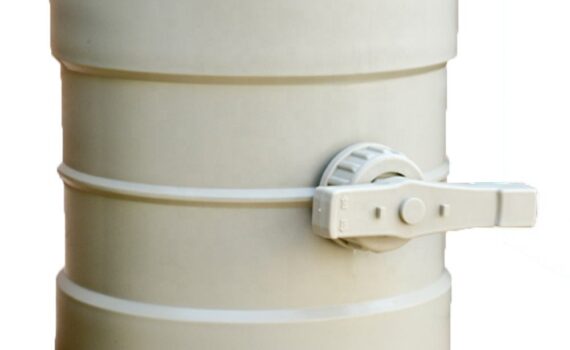
The Role of PP Air Valves in Chemical Corrosion-Resistant Piping Systems
Category : Blog
Chemical processing plants, water treatment facilities, and mining operations depend on piping systems that can transport aggressive fluids — concentrated acids, alkalis, chlorinated solvents, and abrasive slurries — without degradation. Selecting the right pipe material is only half the equation. Every component in the system, from flanges and gaskets to valves and fittings, must match the corrosion resistance of the pipe itself. One component that is frequently overlooked during system design but plays a critical role in operational reliability is the air valve. When air accumulates unchecked inside a chemical pipeline, it creates pressure surges, reduces flow efficiency, accelerates internal corrosion, and can even cause catastrophic pipe failure. The PP air valve has emerged as the preferred solution for managing air in corrosion-resistant piping systems because it matches the chemical inertness of polypropylene pipe and FRP ducting while delivering reliable, passive air management without external power.
This article examines why PP air valves are essential in corrosion-resistant chemical piping, how they function mechanically, how they integrate with other corrosion-resistant pipe materials, and how to select, install, and maintain them for maximum service life. Whether you are designing a new chemical plant piping network or upgrading an existing system, understanding the role of the PP air valve is a prerequisite for achieving safe, efficient, and long-lasting fluid conveyance in corrosive environments.
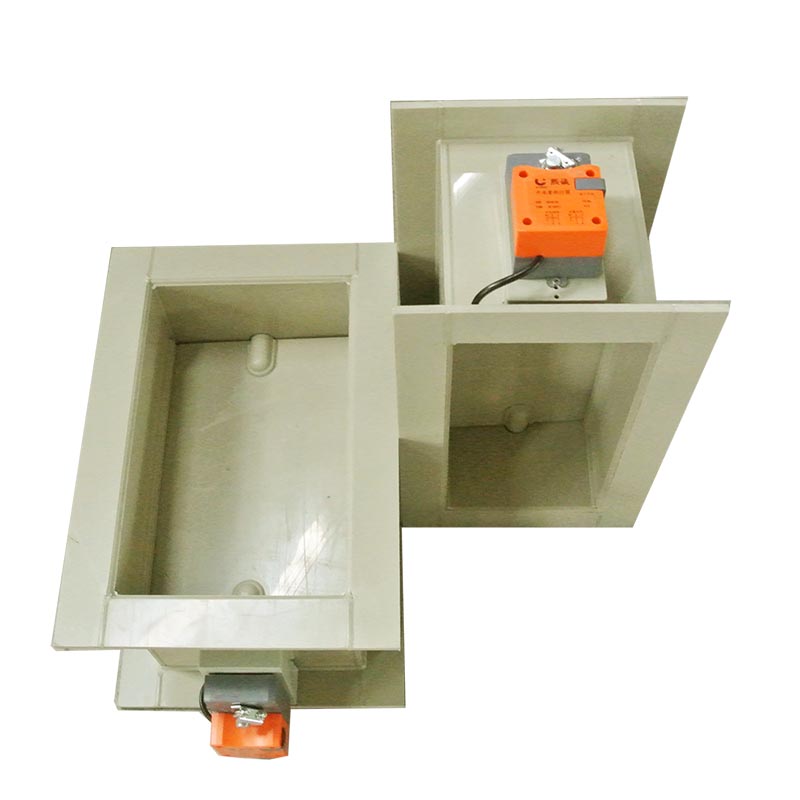
Why PP Air Valves Are Essential in Corrosion-Resistant Piping
Chemical Resistance of Polypropylene: Acids, Alkalis, and Solvent Exposure
The defining attribute of polypropylene as a valve material is its broad-spectrum chemical resistance. Polypropylene is a semi-crystalline thermoplastic polymer whose molecular structure is inherently inert to virtually all inorganic acids, including sulfuric acid at concentrations up to 98%, hydrochloric acid, nitric acid up to 50%, and hydrofluoric acid (citation:1)(citation:7). It also resists strong alkalis such as sodium hydroxide and potassium hydroxide at concentrations up to 50%, as well as a wide range of organic solvents including alcohols, aliphatic hydrocarbons, and many esters. This chemical inertness is not a surface coating or passivation layer — it is an intrinsic property of the polypropylene polymer chain that does not diminish, wear away, or degrade over time. For a PP air valve installed in a chemical piping system, this means the valve body, float, and internal components remain unaffected by the transported medium throughout the valve’s entire service life. In contrast, metallic valve bodies — even those made from stainless steel or high-nickel alloys — are subject to pitting corrosion, stress corrosion cracking, and crevice corrosion in chloride-rich and acidic environments. Research compiled by AMPP (formerly NACE International) consistently demonstrates that thermoplastic components outperform metallic alternatives by orders of magnitude in acid-gas and chloride-rich chemical service, making the PP air valve the only logical choice when the piping system itself is constructed from corrosion-resistant materials such as PP, FRP, or PVC.
How Air Accumulation Threatens Chemical Piping System Integrity
Air enters chemical piping systems through multiple pathways: dissolved gases released from solution as temperature or pressure changes, air drawn in during pump start-up or shutdown, air admitted through tank vents and process connections, and air trapped during initial system filling. Once inside the pipeline, air migrates to high points — summits, elbows, and elevated headers — where it accumulates in pockets that progressively restrict flow cross-section and reduce system capacity. The consequences of unmanaged air accumulation in a chemical piping system are severe and multifaceted. First, air pockets create pressure transients during pump start-up and shutdown: when a moving liquid column encounters a trapped air pocket, it compresses the air violently, generating destructive pressure spikes — known as water hammer — that can exceed the pipe’s burst rating (citation:3). In a chemical system carrying corrosive media, a pipe rupture releases hazardous fluid into the environment, creating safety, regulatory, and financial catastrophes. Second, air pockets accelerate internal corrosion in metal components by creating oxygen concentration cells at the air-liquid interface, promoting localized pitting. Third, trapped air reduces pump efficiency by causing cavitation, erratic flow, and increased energy consumption. Fourth, air pockets interfere with flow metering and process control, producing inaccurate readings that compromise batch quality and process safety. The PP air valve addresses all of these threats by providing a passive, reliable mechanism for expelling accumulated air before it causes damage, making it an indispensable component in any chemical piping system.
PP Air Valves vs. Metal and Other Plastic Alternatives in Corrosive Environments
When specifying an air valve for a chemical piping system, engineers must evaluate material options against the specific corrosive environment. The following table compares PP air valves against the most common alternatives across key performance dimensions:
| Performance Dimension | PP Air Valve | Stainless Steel (316) | PVC Valve | PVDF Valve |
|---|---|---|---|---|
| Acid Resistance | Excellent — all common inorganic acids | Moderate — pitting in HCl, HF | Good — limited in concentrated acids | Excellent |
| Alkali Resistance | Excellent | Good | Good | Excellent |
| Chloride Resistance | Excellent | Poor — stress corrosion cracking | Good | Excellent |
| Organic Solvent Resistance | Good to excellent | Variable | Poor — softens in ketones, chlorinated solvents | Excellent |
| Max Continuous Temp. | 90°C | 800°C+ | 60°C | 140°C |
| Weight | Very light | Heavy | Light | Light |
| Service Life in Corrosive Service | 15–20+ years | 5–10 years (coating dependent) | 8–12 years | 20–25 years |
| Initial Cost | Low to moderate | High | Low | High |
| Lifecycle Cost | Lowest | Highest | Moderate | Moderate to high |
This comparison reveals that the PP air valve offers the best balance of chemical resistance, service life, and cost for the majority of chemical piping applications. PVDF is superior in extreme environments but justifies its significantly higher cost only when temperatures exceed 90°C or when the chemical cocktail includes agents that attack polypropylene. Stainless steel, despite its mechanical strength, is a liability in chloride-rich chemical service due to stress corrosion cracking risk. PVC, while inexpensive, fails against many organic solvents and has a temperature ceiling that excludes numerous chemical processes. For most chemical plant applications, the PP air valve — available from specialized manufacturers such as https://ppairvalve.com/ — delivers the optimal combination of performance, reliability, and economic value.
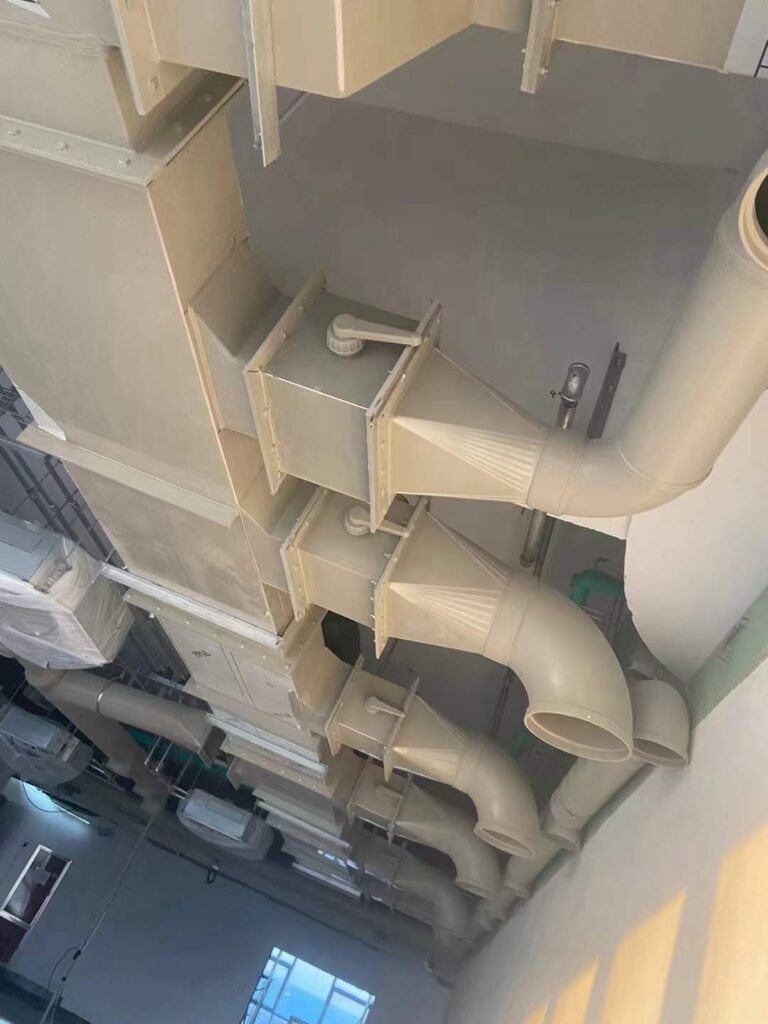
How PP Air Valves Function in Chemical Piping Systems
Air Release, Air Intake, and Combination Valve Mechanisms Explained
PP air valves are manufactured in three primary configurations, each addressing a distinct air management requirement in chemical piping systems. The air release valve (single-orifice) features a small orifice and is designed to discharge small, continuously accumulating volumes of air during normal pipeline operation. As dissolved gases come out of solution or as minor air ingress occurs through system connections, the air release valve bleeds this air gradually, preventing pocket formation at high points. This type is specified at locations where bulk air volumes are not expected but continuous air removal is needed.
The air intake valve (vacuum breaker) performs the opposite function: when internal pressure drops below atmospheric — during pump shutdown, pipe draining, or sudden demand reduction — the valve opens to admit air into the pipeline, preventing negative pressure that could collapse the pipe or draw contaminants inward through joints. In chemical systems carrying toxic or corrosive fluids, this vacuum protection is critical for both pipe integrity and environmental safety. The combination air valve integrates both functions — continuous air release and large-volume air intake/exhaust — into a single unit with dual orifices. The small orifice handles steady-state air release, while the large orifice opens fully during pipeline filling, draining, or pump trip events to allow rapid bulk air movement (citation:3). Combination PP air valve units are the most versatile and widely specified type in chemical plant piping, as they address all air management scenarios in a single, compact installation. All three types operate on a passive float mechanism: the float drops when air is present, opening the orifice; the float rises when liquid enters, closing the orifice. No external power, instrumentation, or control signal is required, which is a significant advantage in remote or hazardous chemical plant environments.
Integration with FRP, PVC, and Other Corrosion-Resistant Pipe Materials
A PP air valve must integrate seamlessly with the pipe material of. The most common pipe materials in chemical service are polypropylene (PP), fiberglass-reinforced plastic (FRP), polyvinyl chloride (PVC), and chlorinated PVC (CPVC). The PP air valve is inherently compatible with all of these materials because its body is made from the same or chemically compatible thermoplastic. For PP pipe systems, the PP air valve connects via fusion welding — creating a homogeneous, leak-tight bond identical to the pipe-to-pipe joints — or via threaded or flanged connections with compatible elastomeric gaskets. For FRP ducting and pipe systems, the PP air valve connects via flanged joints with gaskets selected for chemical compatibility (EPDM for alkaline service, FKM/Viton for acidic service, PTFE for universal chemical resistance). For PVC and CPVC systems, solvent-cement socket connections or threaded adapters provide a reliable, chemically resistant joint.
The key principle in integration is material continuity: every component in contact with the corrosive fluid — pipe, valve body, gasket, and seal — must be chemically compatible with the transported medium. A PP air valve ensures this continuity on the valve side, while the pipe material ensures it on the system side. The only non-PP components inside the valve are the elastomeric float seal and the orifice seat, both of which are available in materials (EPDM, FKM, PTFE) that cover the full spectrum of chemical service. This compatibility eliminates the weak links — dissimilar metal valves, incompatible gaskets, or coated surfaces — that cause premature failure in mixed-material chemical piping systems.
Pressure and Temperature Considerations in Chemical Process Applications
Chemical process piping operates under a wider range of pressures and temperatures than municipal water systems, and the PP air valve must be specified accordingly. Standard PP air valve units are rated for working pressures up to PN10 (10 bar / 145 psi) or PN16 (16 bar / 232 psi), which covers the majority of chemical plant applications — including gravity-fed systems, low-pressure transfer lines, scrubber piping, and most process drain systems. For higher-pressure applications, reinforced PP air valve designs with thicker walls and metal-reinforced connections are available, the corrosion-resistant system it serves though pressures above 25 bar typically require metallic valve bodies with PP or PTFEwww.astm.org linings.
Temperature is a more critical constraint. Polypropylene has a continuous service temperature limit of approximately 90°C, with intermittent capability up to 100°C through design margins such as increased wall thickness and the use of copolymer grades with enhanced thermal stability (citation:4). This temperature range encompasses the vast majority of chemical process applications — including ambient-temperature acid transfer, scrubber recirculation, neutralization systems, and cooling water circuits. For applications exceeding 90°C — such as hot acid discharge from reactor systems — the PP air valve should be installed downstream of a cooling stage or heat exchanger where fluid temperature has been reduced to within the material’s operating envelope. The following table summarizes typical operating parameters for PP air valve units in chemical service:
| Parameter | Standard Rating | Extended Rating) certification. For chemical plant (with design margins) |
|---|---|---|
| Working Pressure | PN10 (10 bar) | PN16 (16 bar) |
| Continuous Temperature | -10°C to +90°C | -20°C to +95°C |
| Intermittent Temperature | Up to 95°C | Up to 100°C |
| Vacuum Rating | Full vacuum (-1 bar) | Full vacuum |
| Surge Pressure Tolerance | 1.5× working pressure | 2.0× working pressure |
| Chemical pH Range | 0–14 (full range) | 0–14 (full range) |
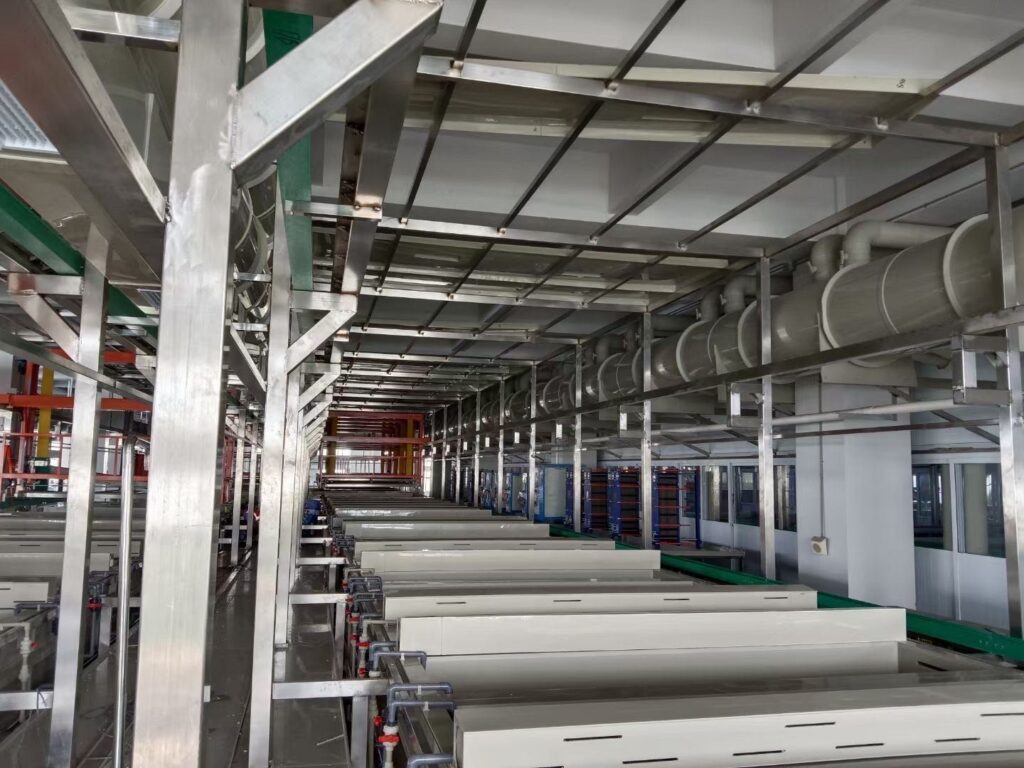
Selecting and Deploying PP Air Valves for Chemical Systems
Key Selection Criteria: Media Type, Concentration, and Operating Conditions
Selecting the correct PP air valve for a chemical piping application requires a systematic evaluation of the process conditions. The first criterion is media type and concentration: the valve body (PP), float (PP), and seal material (EPDM, FKM, or PTFE) must all be verified against the specific chemical at its operating concentration and temperature. Chemical resistance charts published by valve manufacturers such as https://ppairvalve.com/ provide detailed compatibility data, but for unusual chemical mixtures or concentrated solutions, bench testing of seal materials is recommended. FKM (Viton) seals are preferred for acidic and solvent-rich environments, EPDM for alkaline and aqueous applications, and PTFE for universal chemical resistance where seal elasticity is less critical.
The second criterion is valve type: single-orifice for continuous air release only, combination for both continuous release and bulk air handling. The third criterion is size: the orifice must be matched to the pipeline diameter and expected air volume, following guidelines published by the American Water Works Association (AWWA). The fourth criterion is pressure and temperature rating: the valve must exceed the maximum system pressure (including surge) and remain within the polypropylene thermal envelope. The fifth criterion is connection type: threaded (BSP/NPT) for small diameters, flanged (ANSI/DIN) for medium diameters, and fusion-welded for PP pipe systems requiring the highest joint integrity. The sixth criterion is certification requirements: for potable water or food-contact applications, the PP air valve must carry [NSF/ANSI 61](https://www.nsf.org/consumer-resources/articles/ansi-nsf-61 service, compliance with [ASTM D4101](https:///d41, chemical cleaning, and post-treatment piping. Across all these sectors, the PP air valve is custom-engineered for each application — seal materials, orifice sizes, and connection types are specified based on the unique chemical, thermal, and hydraulic conditions of each system. For corrosion-resistant piping components beyond the valve itself — including PP and FRP pipe, fittings, and ductwork — specialized manufacturers such as https://plastic-duct.com/ provide complete system solutions.
Installation Positioning, Maintenance Best Practices, and Service Life Optimization
Correct installation positioning is critical for PP air valve performance. Valves must be installed vertically at pipeline high points — summits, elevated elbows, and long ascending runs — where air naturally accumulates. Industry guidelines recommend air valve spacing of 500m to 800m on long horizontal runs and at every high point exceeding 1m elevation on undulating routes (citation:5). Each PP air valve should be installed above an isolation valve that allows removal for maintenance without draining the pipeline. Connections must be aligned to prevent mechanical stress on the polypropylene body, and all threaded joints should be sealed with PTFE tape compatible with the chemical service.
Maintenance is minimal but disciplined. Quarterly external inspections check for body cracks, UV degradation, and connection leaks. Semi-annual functional tests verify that the valve opens and closes correctly by manipulating the isolation valve. Annual internal inspections — during scheduled shutdowns — examine the float, seal, and orifice seat for wear or chemical attack. Seal replacement is typically needed every three to five years depending on chemical severity. The expected service life of a properly specified PP air valve in chemical service is 15 to 20 years or more, compared to 5 to 10 years for stainless steel valves in the same environment. This extended lifespan, combined with near-zero corrosion-related maintenance, drives the lifecycle cost advantage that makes the PP air valve the most economical choice for corrosion-resistant chemical piping systems worldwide.