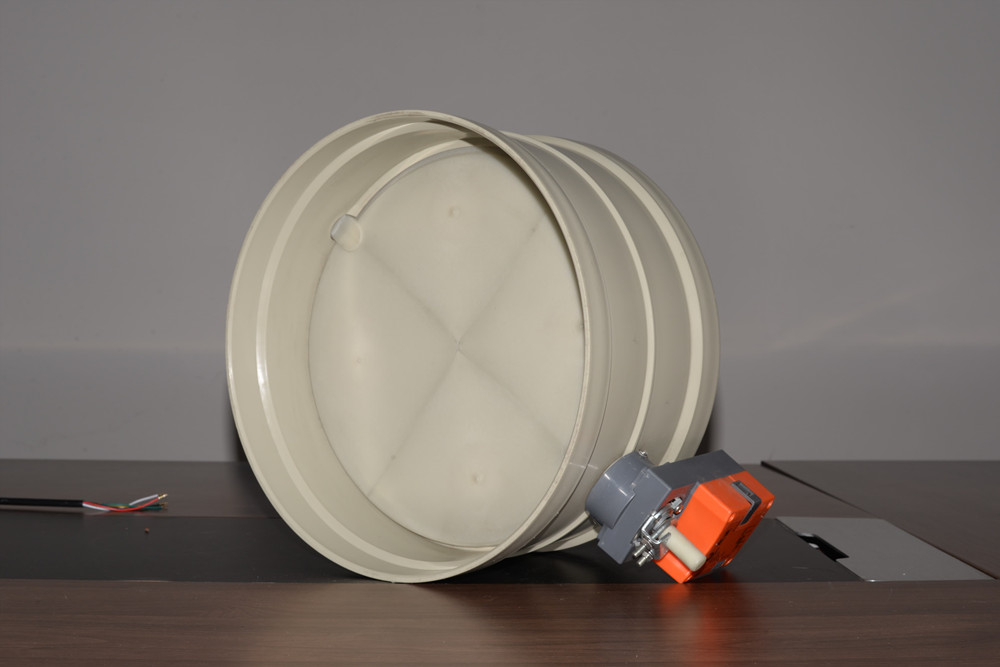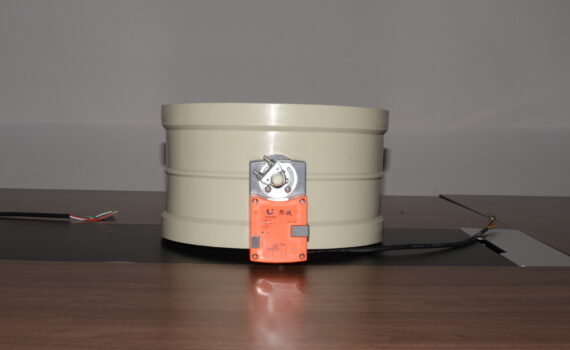
Motorized Air Damper Valve: Electric Actuator vs. Pneumatic Actuator Selection Guide

Motorized Air Damper Valve: Electric Actuator vs. Pneumatic Actuator Selection Guide

In modern building automation and industrial process control, motorized air damper valves have become indispensable components for regulating airflow with precision, reliability, and remote operability. The choice between electric and pneumatic actuation represents one of the most critical decisions in specifying these systems, as it directly impacts response speed, control accuracy, installation cost, maintenance requirements, and long-term operational reliability. While electric actuators offer seamless integration with digital building management systems and require only power wiring, pneumatic actuators deliver lightning-fast response times and inherent fail-safe capabilities through spring-return mechanisms. Understanding the fundamental differences between these two actuation technologies — and how they align with specific application requirements — is essential for engineers, facility managers, and procurement specialists tasked with selecting the right motorized air damper valve solution.

This comprehensive guide examines the operating principles, performance characteristics, and application suitability of electric and pneumatic actuators for air damper valve control. It provides a detailed comparison of key parameters such as torque output, response speed, duty cycle, and fail-safe options, alongside practical selection criteria based on system requirements, environmental conditions, and budget constraints. By the end of this article, readers will have a clear framework for evaluating and selecting the optimal actuator type for their motorized air damper valve applications, whether for commercial HVAC systems, industrial process ductwork, fire and smoke control, or cleanroom environments.
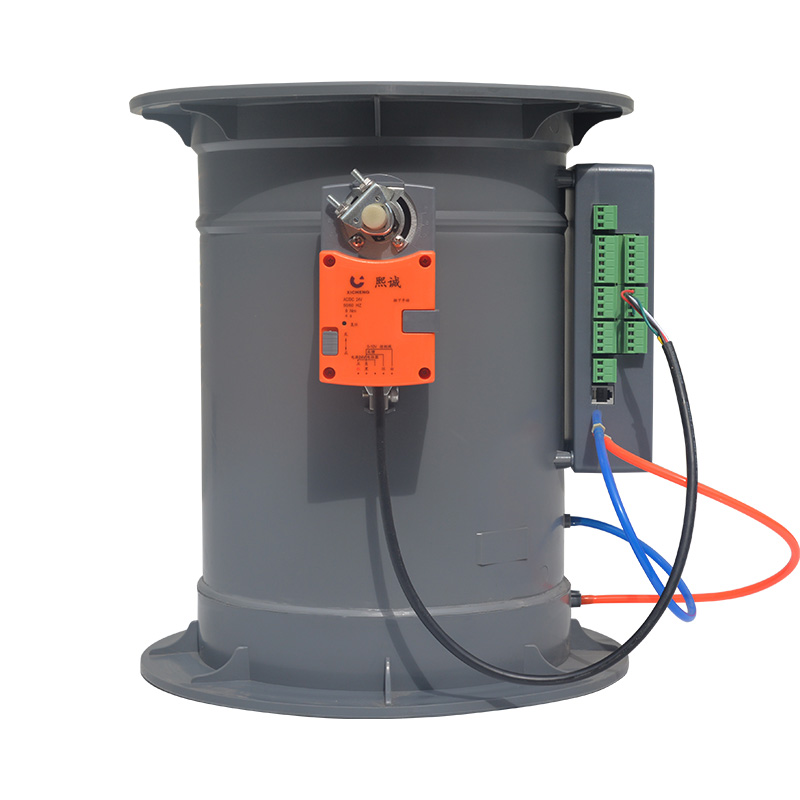
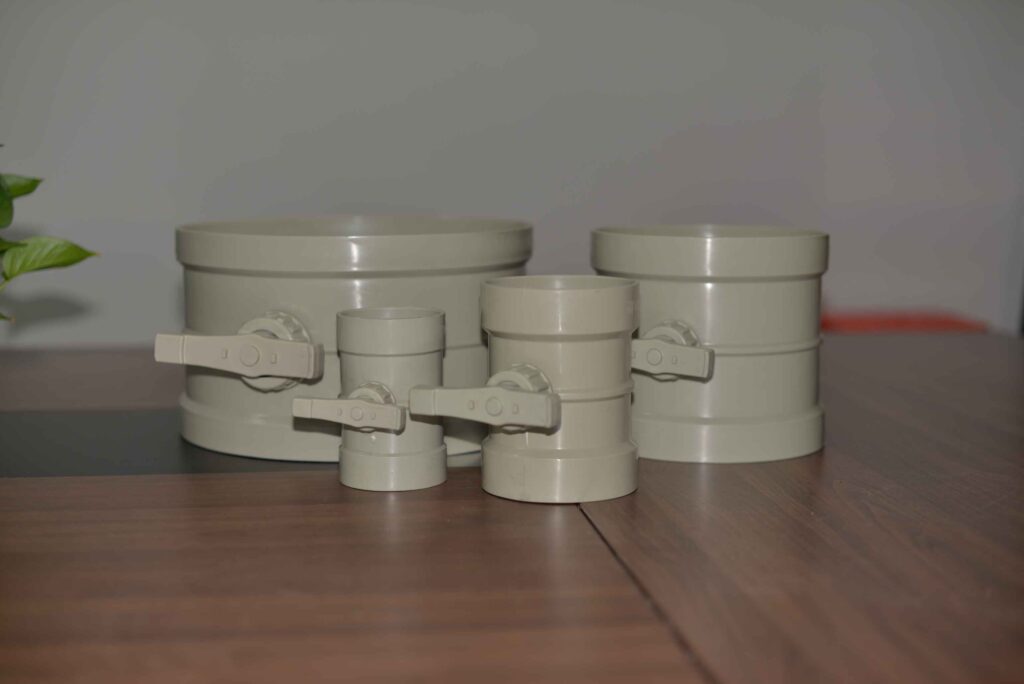
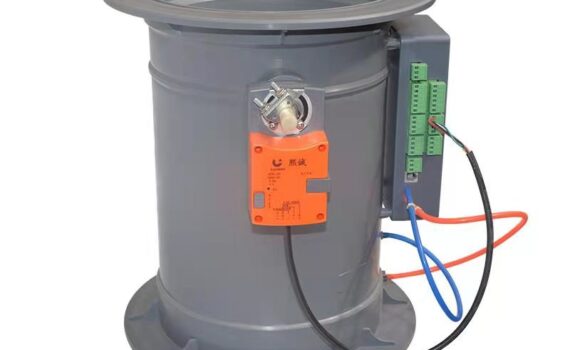
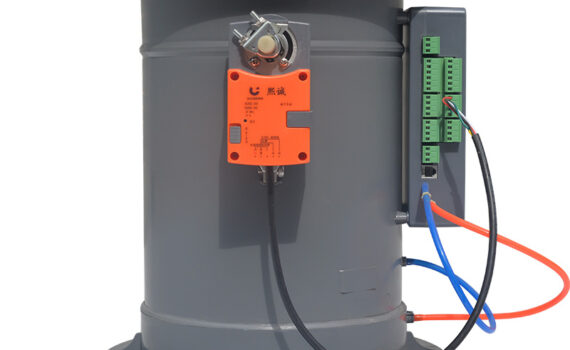
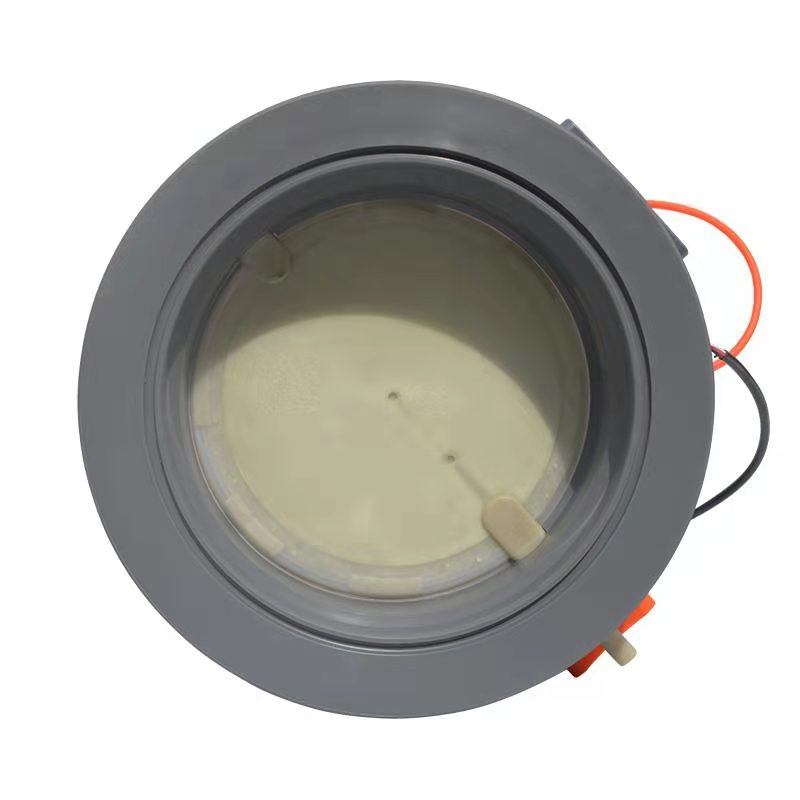
Motorized Air Damper Valve with Electric and Pneumatic Actuator Comparison

Understanding Motorized Air Damper Valves: How Actuators Control Airflow

What Is a Motorized Air Damper Valve and How Does It Differ from Manual Damper Valves

A motorized air damper valve is a mechanical device installed in ductwork that controls airflow by opening, closing, or modulating a set of blades using an automated actuator. Unlike manual damper valves, which require physical intervention by personnel to adjust blade position via a hand lever, quadrant, or chain operator, motorized air damper valves can be controlled remotely through building automation systems, programmable logic controllers, or simple on/off switches. This automation capability enables dynamic airflow regulation based on real-time conditions such as temperature, pressure, occupancy, or process requirements, without the need for constant human oversight.

The fundamental difference between motorized and manual air damper valves lies in the actuation mechanism and control philosophy. Manual dampers are typically set during commissioning and left in a fixed position, with occasional adjustments made during maintenance or system rebalancing. In contrast, motorized dampers can continuously modulate to match changing loads, respond automatically to fire or smoke detection signals, and be integrated into complex control sequences that optimize energy efficiency and occupant comfort. For applications requiring frequent adjustment, precise positioning, or emergency response — such as variable air volume systems, smoke control zones, or process exhaust systems — motorized air damper valves are the preferred solution. The actuator itself is the “brain” of the system, converting electrical or pneumatic energy into the precise rotational motion required to drive the damper blades to their target position.

How Electric and Pneumatic Actuators Convert Energy into Precise Air Damper Valve Movement

Electric and pneumatic actuators convert different forms of energy into the mechanical torque required to rotate the damper blade shaft, but their operating principles are fundamentally distinct. An electric actuator uses an electric motor to drive a gearbox that reduces speed and increases torque, translating electrical energy into controlled rotational motion. The motor is controlled by an input signal — commonly 0-10V, 4-20mA, 2-10V, or digital protocols like Modbus or BACnet — that specifies the desired blade position. The actuator’s internal electronics compare the actual position with the target position and adjust the motor accordingly until the error is minimized.

A pneumatic actuator, by contrast, uses compressed air as its energy source. The most common type is the rack-and-pinion design, where compressed air enters a cylinder and pushes against a piston, which drives a rack gear that rotates the pinion gear attached to the damper shaft. Spring-return pneumatic actuators include a mechanical spring that automatically drives the damper to a safe position when air supply is lost — a critical feature for fire and smoke control applications. Pneumatic actuators are controlled by solenoid valves that direct air flow to one side by a separate positioner or sensor. The key advantage of pneumatic actuation is the high force density and rapid response, while electric actuation excels in precision and ease of integration with digital control systems.

Key Actuator Performance Parameters: Torque Output, Speed, Duty Cycle, and Fail-Safe Options

When selecting a motorized air damper valve actuator, four performance parameters are critical: torque output, rotational speed, duty cycle, and fail-safe capability. Torque output — measured in Newton-meters — must exceed the maximum torque required to move the damper blade against the differential pressure acting across it, with a safety margin typically of 1.5 to 2.0 times. Under-sizing the actuator results in incomplete blade travel, premature motor burnout, or seized dampers. Rotational speed — measured in seconds per 90-degree stroke — determines how quickly the damper can respond to control signals. Electric actuators typically require 15 to 60 seconds for a full stroke, while pneumatic actuators can complete the same motion in 1 to 5 seconds.

Duty cycle defines the percentage of time the actuator can operate continuously without overheating or exceeding its service life. Standard actuators are rated for 50% to 100% duty cycle, with continuous modulation requiring 100% duty cycle ratings. Fail-safe options are essential for life safety applications, as defined by NFPA 90A and the International Mechanical Code (IMC). Spring-return pneumatic actuators provide inherent fail-safe operation, while electric actuators require battery backup, supercapacitors, or mechanical spring systems to achieve the same function. The following table summarizes typical actuator performance ranges:

ParameterElectric ActuatorPneumatic Actuator
Torque Range10 to 500+ Nm10 to 2000+ Nm
Stroke Time (90°)15 to 60 seconds1 to 5 seconds
Duty Cycle25% to 100%100% (continuous operation)
Fail-Safe OptionsSpring return, battery backupSpring return (inherent)
Control Signal0-10V, 4-20mA, Modbus, BACnetSolenoid valve, positioner
Power Requirement24VAC/DC, 120VAC, 240VACCompressed air 40-80 psi
PP Air Valve

Electric Actuator vs. Pneumatic Actuator: How They Work and Where Each Excels

Electric Actuator Air Damper Valves: Operating Principle, Power Requirements, and Control Signal Compatibility

Electric actuator air damper valves are the dominant choice in commercial building HVAC systems due to their ease of integration with digital building management systems and their minimal infrastructure requirements. An electric actuator operates by converting electrical energy into mechanical torque through a motor and gearbox assembly. The motor receives a control signal from the BMS or local controller, and the actuator’s internal circuitry drives the motor to the commanded position, using feedback from a position sensor to ensure accuracy. This closed-loop control enables precise modulation of damper blade position, making electric actuators ideal for applications requiring fine control of airflow, such as VAV terminal units, economizer dampers, and zone control dampers.

Electric actuators are available in a wide range of power configurations to match different applications. Low-voltage actuators (24VAC or 24VDC) are standard in HVAC systems, offering safe operation and compatibility with common control voltages. High-voltage actuators (120VAC or 240VAC) are used for larger dampers or industrial applications where higher torque is required. Control signal compatibility is a key advantage of electric actuators: they accept a variety of input types, including analog signals for proportional control, digital on/off signals for two-position control, and communication protocols such as Modbus RTU or BACnet MS/TP for integration with sophisticated automation systems. This versatility allows electric actuator air damper valves to serve as intelligent nodes within a connected building or industrial network, providing real-time position feedback and enabling remote diagnostics and optimization. For detailed product specifications and compatibility information, visit https://ppairvalve.com/.

Pneumatic Actuator Air Damper Valves: Compressed Air Operation, Response Speed, and Force Characteristics

Pneumatic actuator air damper valves are favored in industrial process applications, heavy-duty HVAC systems, and life safety installations where rapid response, high force, and inherent fail-safe capability are paramount. A pneumatic actuator operates by directing compressed air into a cylinder, where it exerts pressure on a piston connected to a rack-and-pinion or scotch-yoke mechanism that rotates the damper shaft. The actuator is controlled by a solenoid valve that switches air flow to one side of the piston or the other, causing the damper to open or close. Spring-return pneumatic actuators include a mechanical spring that automatically drives the damper to a safe position when the compressed air supply is interrupted — a critical feature for fire and smoke control dampers where loss of power or air supply must not compromise life safety.

The force characteristics of pneumatic actuators are a key advantage in large-diameter duct applications. Compressed air at 40 to 80 psi can generate substantial torque, allowing pneumatic actuators to operate dampers with blade areas exceeding several square meters. This high force density makes pneumatic actuators the preferred choice for guillotine dampers, large louver dampers, and industrial butterfly dampers in flue gas systems. Response speed is another major advantage: pneumatic actuators typically complete a 90-degree stroke in 1 to 5 seconds, compared to 15 to 60 seconds for electric actuators. This rapid response is essential for applications requiring quick isolation or redirection of gas streams, such as emergency shutdown sequences or process batch changes. The primary limitation of pneumatic actuators is the requirement for compressed air infrastructure, which adds complexity and cost to the installation.
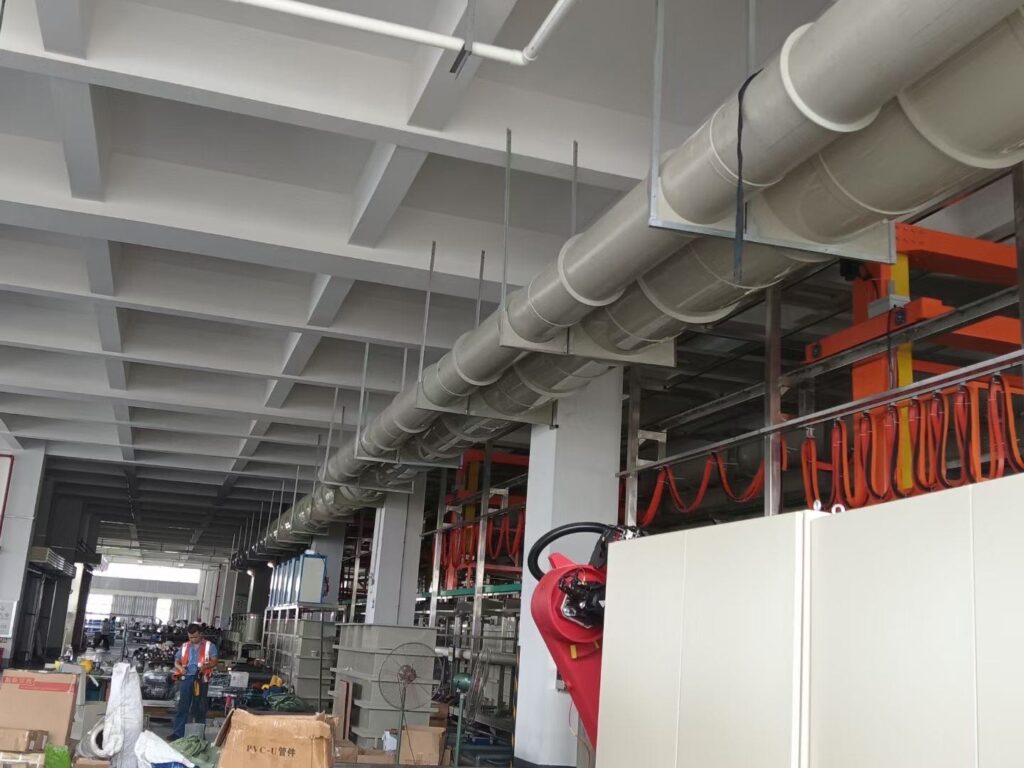
Factory exhaust air control system

Key Differences Compared: Accuracy, Speed, Cost, Maintenance, and Environmental Suitability

The choice between electric and pneumatic actuation depends on a careful comparison of performance attributes, cost, and environmental suitability. Accuracy is typically superior with electric actuators, which can achieve position repeatability within ±1% or better using closed-loop control. Pneumatic actuators, especially those without positioners, may have repeatability of ±3% to ±5%, though high-precision pneumatic positioners can narrow this gap. Speed favors pneumatic actuators, with response times 5 to 10 times faster than electric actuators — a critical advantage for emergency isolation and rapid process control.

Cost considerations vary by application. Electric actuators generally have lower initial costs for small to medium dampers under 100 Nm torque and require only electrical wiring, eliminating the need for compressed air infrastructure. Pneumatic actuators may have higher initial costs for small dampers but become cost-competitive or superior for large dampers requiring high torque. Maintenance requirements differ significantly: electric actuators are largely maintenance-free for years, with only periodic inspection of connections and seals, while pneumatic actuators require regular inspection of air lines, filters, and solenoid valves to prevent moisture or debris from causing sluggish operation. Environmental suitability also varies: electric actuators are sensitive to extreme temperatures, humidity, and corrosive atmospheres unless specifically rated for harsh conditions, while pneumatic actuators are inherently robust in dirty, hot, or explosive environments where electric motors might fail. The following table provides a direct comparison:

FactorElectric ActuatorPneumatic Actuator
AccuracyExcellent (±1%)Good to excellent (±1–5%)
SpeedSlow (15–60 sec)Fast (1–5 sec)
Initial Cost (small dampers)LowerHigher
Initial Cost (large dampers)HigherLower
MaintenanceLow (periodic inspection)Moderate (air system upkeep)
Environmental SuitabilitySensitive to temp, moistureRobust in harsh conditions
Infrastructure RequiredElectrical wiring onlyCompressed air system

Choosing the Right Actuator for Your Motorized Air Damper Valve Application

Application-Based Selection Guide: HVAC, Industrial Process, Fire and Smoke Control, and Cleanroom Systems

Different applications have distinct requirements that favor either electric or pneumatic actuation. In commercial HVAC systems — including office buildings, hospitals, hotels, and retail spaces — electric actuator air damper valves dominate due to their compatibility with BMS integration, quiet operation, and ease of installation. Variable air volume systems, economizer dampers, and zone control dampers all benefit from the precise modulation capability and digital communication features of electric actuators, as guided by ASHRAE Standard 90.1 for energy efficiency and SMACNA duct construction standards for system design. In industrial process applications — including power plants, chemical facilities, and manufacturing plants — pneumatic actuator air damper valves are often preferred for their high torque output, rapid response, and suitability for harsh environments where dust, temperature extremes, and corrosive atmospheres would challenge electric actuators.

Fire and smoke control systems present a unique case where both actuator types are used, but with different considerations. Pneumatic spring-return actuators are the gold standard for life safety dampers because they provide inherent fail-safe operation — the damper automatically closes upon loss of air supply, regardless of electrical power status. This requirement is codified in NFPA 92 for smoke control systems and the International Building Code (IBC). Electric actuators can also serve in fire and smoke control applications when equipped with battery backup or mechanical spring-return mechanisms, but they require more complex installation and periodic testing of backup power systems. Cleanroom systems used in pharmaceutical, semiconductor, and biotech facilities typically favor electric actuators for their clean operation, precise control, and compatibility with automated monitoring systems that track damper position and air quality parameters.

Decision Checklist: Air Supply Availability, Control System Integration, Budget, and Safety Requirements

Selecting the optimal actuator type requires a systematic evaluation of four key factors. Air supply availability is the first checkpoint: if a compressed air system already exists in the facility, pneumatic actuation becomes a straightforward choice. If no compressed air is available, the cost of installing a compressor, air treatment equipment, and distribution piping must be factored into the decision — often making electric actuation more economical. Control system integration is the second factor: if the application requires integration with a BMS using digital protocols like BACnet or Modbus, electric actuators provide native support. For simple on/off control or applications where the damper is controlled by a standalone controller, both actuator types are viable.

Budget considerations must include not only the initial purchase price but also installation costs, energy consumption, and lifecycle maintenance. Electric actuators typically have lower installation costs for small to medium dampers but may require more expensive controllers for advanced functionality. Pneumatic actuators require investment in compressed air infrastructure but may offer lower lifecycle costs for large dampers in harsh environments. Safety requirements are paramount for life safety applications: fire and smoke control dampers must meet NFPA and IBC codes, which mandate fail-safe operation. Pneumatic spring-return actuators inherently satisfy this requirement, while electric actuators must be specifically equipped with fail-safe mechanisms. The following checklist summarizes the decision process:

Decision FactorElectric Actuator PreferredPneumatic Actuator Preferred
Compressed Air Available?NoYes
Control Integration Needed?BMS / digital protocolsSimple on/off or local control
Budget PriorityLower initial costLower lifecycle cost for large dampers
Response Speed Critical?No (15–60 sec acceptable)Yes (1–5 sec required)
Fail-Safe Required?With backup power/springInherent spring-return
EnvironmentClean, controlled temperatureHarsh, dirty, explosive, extreme temp

Installation, Wiring, and Commissioning Best Practices for Electric and Pneumatic Air Damper Valve Actuators

Proper installation and commissioning are essential to ensure that motorized air damper valves deliver the performance, reliability, and safety required by the application. For electric actuator air damper valves, installation begins with verifying that the actuator torque rating exceeds the calculated torque requirement for the damper at maximum differential pressure. The actuator must be mounted securely to the damper frame using the provided hardware, with the drive shaft properly aligned to the damper shaft to avoid binding or uneven wear. Electrical wiring must comply with local codes and manufacturer specifications, with power wiring sized for the actuator’s current draw and control wiring shielded to prevent interference in noisy environments. Compliance with UL 60730 for automatic controls and ISA 72.02.01 for industrial automation ensures safety and reliability.

Commissioning electric actuators involves verifying that the damper travels through its full stroke without obstruction, that the position feedback accurately reflects the actual blade position, and that the control signal response is linear and repeatable. For BMS integration, the actuator’s communication settings must be configured to match the controller per the BACnet protocol standard. For pneumatic actuator air damper valves, installation requires careful attention to the compressed air supply: air lines must be sized for adequate flow, filters and regulators must be installed to remove moisture and debris, and the air pressure must be set to the manufacturer’s specification. The actuator must be mounted with adequate clearance for the cylinder and spring housing, and the air lines must be routed to avoid kinking or abrasion.

Commissioning pneumatic actuators involves verifying that the air supply is clean and at the correct pressure, that the solenoid valves switch air flow correctly, and that the damper moves smoothly through its stroke. For spring-return actuators, the fail-safe action must be tested by interrupting the air supply and confirming that the damper moves to the designated safe position. Both electric and pneumatic actuators benefit from post-commissioning documentation, including wiring diagrams, air line schematics, and calibration records, which are essential for future maintenance and troubleshooting. Manufacturers such as https://ppairvalve.com/ provide detailed installation guides and commissioning procedures for their motorized air damper valve products, ensuring that customers can achieve optimal performance from day one.
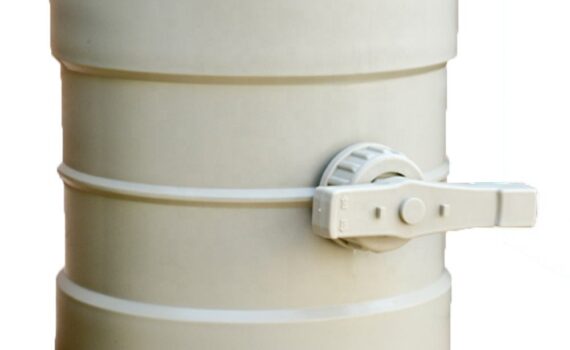
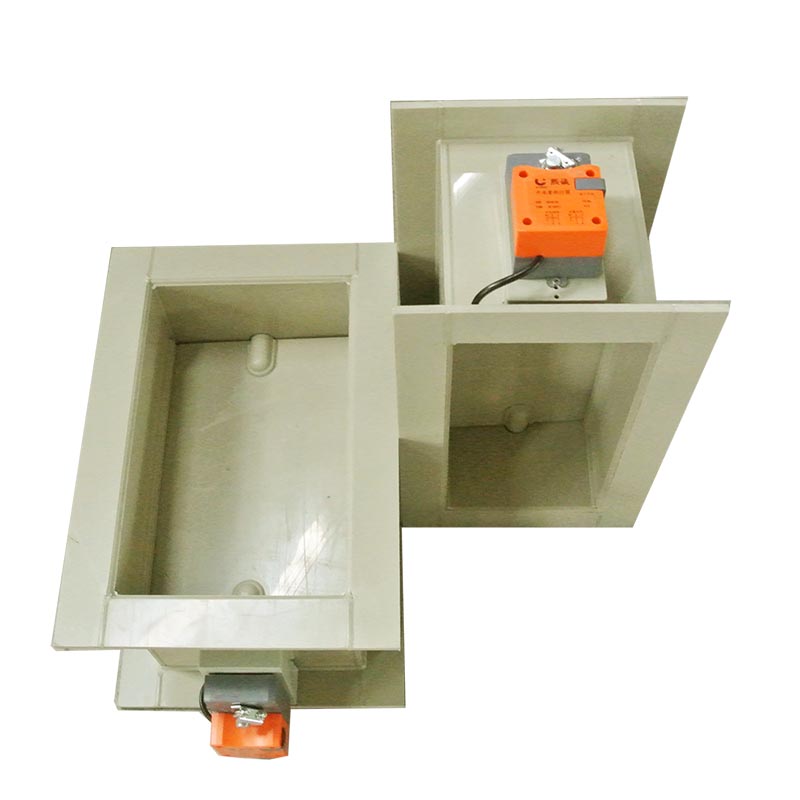
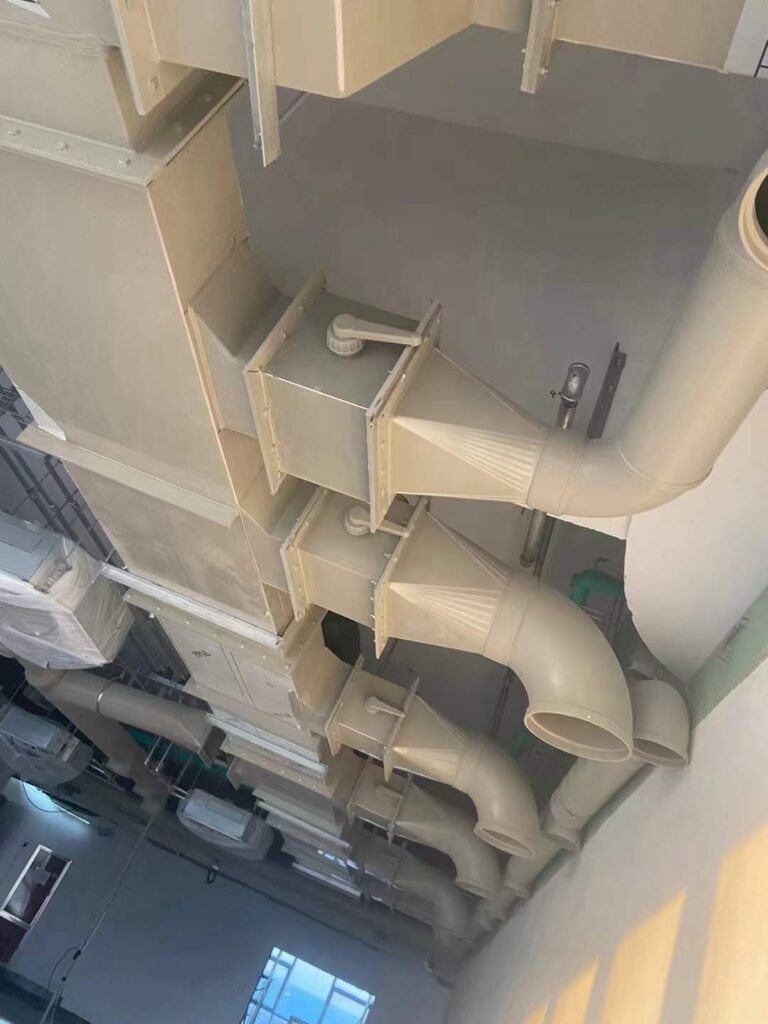
PP Air Valve Installed in Chemical Corrosion-Resistant Piping System

The Role of PP Air Valves in Chemical Corrosion-Resistant Piping Systems

Chemical processing plants, water treatment facilities, and mining operations depend on piping systems that can transport aggressive fluids — concentrated acids, alkalis, chlorinated solvents, and abrasive slurries — without degradation. Selecting the right pipe material is only half the equation. Every component in the system, from flanges and gaskets to valves and fittings, must match the corrosion resistance of the pipe itself. One component that is frequently overlooked during system design but plays a critical role in operational reliability is the air valve. When air accumulates unchecked inside a chemical pipeline, it creates pressure surges, reduces flow efficiency, accelerates internal corrosion, and can even cause catastrophic pipe failure. The PP air valve has emerged as the preferred solution for managing air in corrosion-resistant piping systems because it matches the chemical inertness of polypropylene pipe and FRP ducting while delivering reliable, passive air management without external power.

This article examines why PP air valves are essential in corrosion-resistant chemical piping, how they function mechanically, how they integrate with other corrosion-resistant pipe materials, and how to select, install, and maintain them for maximum service life. Whether you are designing a new chemical plant piping network or upgrading an existing system, understanding the role of the PP air valve is a prerequisite for achieving safe, efficient, and long-lasting fluid conveyance in corrosive environments.

PP Air Valve Installed in Chemical Corrosion-Resistant Piping System

Why PP Air Valves Are Essential in Corrosion-Resistant Piping

Chemical Resistance of Polypropylene: Acids, Alkalis, and Solvent Exposure

The defining attribute of polypropylene as a valve material is its broad-spectrum chemical resistance. Polypropylene is a semi-crystalline thermoplastic polymer whose molecular structure is inherently inert to virtually all inorganic acids, including sulfuric acid at concentrations up to 98%, hydrochloric acid, nitric acid up to 50%, and hydrofluoric acid (citation:1)(citation:7). It also resists strong alkalis such as sodium hydroxide and potassium hydroxide at concentrations up to 50%, as well as a wide range of organic solvents including alcohols, aliphatic hydrocarbons, and many esters. This chemical inertness is not a surface coating or passivation layer — it is an intrinsic property of the polypropylene polymer chain that does not diminish, wear away, or degrade over time. For a PP air valve installed in a chemical piping system, this means the valve body, float, and internal components remain unaffected by the transported medium throughout the valve’s entire service life. In contrast, metallic valve bodies — even those made from stainless steel or high-nickel alloys — are subject to pitting corrosion, stress corrosion cracking, and crevice corrosion in chloride-rich and acidic environments. Research compiled by AMPP (formerly NACE International) consistently demonstrates that thermoplastic components outperform metallic alternatives by orders of magnitude in acid-gas and chloride-rich chemical service, making the PP air valve the only logical choice when the piping system itself is constructed from corrosion-resistant materials such as PP, FRP, or PVC.

How Air Accumulation Threatens Chemical Piping System Integrity

Air enters chemical piping systems through multiple pathways: dissolved gases released from solution as temperature or pressure changes, air drawn in during pump start-up or shutdown, air admitted through tank vents and process connections, and air trapped during initial system filling. Once inside the pipeline, air migrates to high points — summits, elbows, and elevated headers — where it accumulates in pockets that progressively restrict flow cross-section and reduce system capacity. The consequences of unmanaged air accumulation in a chemical piping system are severe and multifaceted. First, air pockets create pressure transients during pump start-up and shutdown: when a moving liquid column encounters a trapped air pocket, it compresses the air violently, generating destructive pressure spikes — known as water hammer — that can exceed the pipe’s burst rating (citation:3). In a chemical system carrying corrosive media, a pipe rupture releases hazardous fluid into the environment, creating safety, regulatory, and financial catastrophes. Second, air pockets accelerate internal corrosion in metal components by creating oxygen concentration cells at the air-liquid interface, promoting localized pitting. Third, trapped air reduces pump efficiency by causing cavitation, erratic flow, and increased energy consumption. Fourth, air pockets interfere with flow metering and process control, producing inaccurate readings that compromise batch quality and process safety. The PP air valve addresses all of these threats by providing a passive, reliable mechanism for expelling accumulated air before it causes damage, making it an indispensable component in any chemical piping system.

PP Air Valves vs. Metal and Other Plastic Alternatives in Corrosive Environments

When specifying an air valve for a chemical piping system, engineers must evaluate material options against the specific corrosive environment. The following table compares PP air valves against the most common alternatives across key performance dimensions:

Performance DimensionPP Air ValveStainless Steel (316)PVC ValvePVDF Valve
Acid ResistanceExcellent — all common inorganic acidsModerate — pitting in HCl, HFGood — limited in concentrated acidsExcellent
Alkali ResistanceExcellentGoodGoodExcellent
Chloride ResistanceExcellentPoor — stress corrosion crackingGoodExcellent
Organic Solvent ResistanceGood to excellentVariablePoor — softens in ketones, chlorinated solventsExcellent
Max Continuous Temp.90°C800°C+60°C140°C
WeightVery lightHeavyLightLight
Service Life in Corrosive Service15–20+ years5–10 years (coating dependent)8–12 years20–25 years
Initial CostLow to moderateHighLowHigh
Lifecycle CostLowestHighestModerateModerate to high

This comparison reveals that the PP air valve offers the best balance of chemical resistance, service life, and cost for the majority of chemical piping applications. PVDF is superior in extreme environments but justifies its significantly higher cost only when temperatures exceed 90°C or when the chemical cocktail includes agents that attack polypropylene. Stainless steel, despite its mechanical strength, is a liability in chloride-rich chemical service due to stress corrosion cracking risk. PVC, while inexpensive, fails against many organic solvents and has a temperature ceiling that excludes numerous chemical processes. For most chemical plant applications, the PP air valve — available from specialized manufacturers such as https://ppairvalve.com/ — delivers the optimal combination of performance, reliability, and economic value.

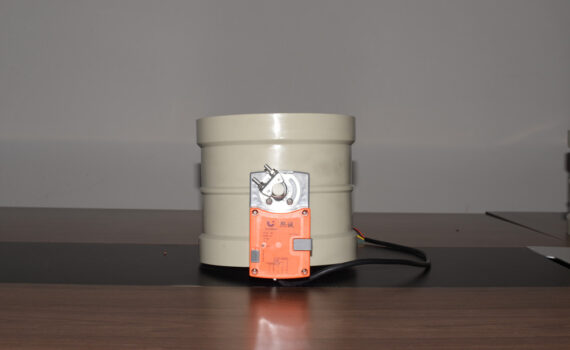
polypropylene duct damper

How PP Air Valves Function in Chemical Piping Systems

Air Release, Air Intake, and Combination Valve Mechanisms Explained

PP air valves are manufactured in three primary configurations, each addressing a distinct air management requirement in chemical piping systems. The air release valve (single-orifice) features a small orifice and is designed to discharge small, continuously accumulating volumes of air during normal pipeline operation. As dissolved gases come out of solution or as minor air ingress occurs through system connections, the air release valve bleeds this air gradually, preventing pocket formation at high points. This type is specified at locations where bulk air volumes are not expected but continuous air removal is needed.

The air intake valve (vacuum breaker) performs the opposite function: when internal pressure drops below atmospheric — during pump shutdown, pipe draining, or sudden demand reduction — the valve opens to admit air into the pipeline, preventing negative pressure that could collapse the pipe or draw contaminants inward through joints. In chemical systems carrying toxic or corrosive fluids, this vacuum protection is critical for both pipe integrity and environmental safety. The combination air valve integrates both functions — continuous air release and large-volume air intake/exhaust — into a single unit with dual orifices. The small orifice handles steady-state air release, while the large orifice opens fully during pipeline filling, draining, or pump trip events to allow rapid bulk air movement (citation:3). Combination PP air valve units are the most versatile and widely specified type in chemical plant piping, as they address all air management scenarios in a single, compact installation. All three types operate on a passive float mechanism: the float drops when air is present, opening the orifice; the float rises when liquid enters, closing the orifice. No external power, instrumentation, or control signal is required, which is a significant advantage in remote or hazardous chemical plant environments.

Integration with FRP, PVC, and Other Corrosion-Resistant Pipe Materials

A PP air valve must integrate seamlessly with the pipe material of. The most common pipe materials in chemical service are polypropylene (PP), fiberglass-reinforced plastic (FRP), polyvinyl chloride (PVC), and chlorinated PVC (CPVC). The PP air valve is inherently compatible with all of these materials because its body is made from the same or chemically compatible thermoplastic. For PP pipe systems, the PP air valve connects via fusion welding — creating a homogeneous, leak-tight bond identical to the pipe-to-pipe joints — or via threaded or flanged connections with compatible elastomeric gaskets. For FRP ducting and pipe systems, the PP air valve connects via flanged joints with gaskets selected for chemical compatibility (EPDM for alkaline service, FKM/Viton for acidic service, PTFE for universal chemical resistance). For PVC and CPVC systems, solvent-cement socket connections or threaded adapters provide a reliable, chemically resistant joint.

The key principle in integration is material continuity: every component in contact with the corrosive fluid — pipe, valve body, gasket, and seal — must be chemically compatible with the transported medium. A PP air valve ensures this continuity on the valve side, while the pipe material ensures it on the system side. The only non-PP components inside the valve are the elastomeric float seal and the orifice seat, both of which are available in materials (EPDM, FKM, PTFE) that cover the full spectrum of chemical service. This compatibility eliminates the weak links — dissimilar metal valves, incompatible gaskets, or coated surfaces — that cause premature failure in mixed-material chemical piping systems.

Pressure and Temperature Considerations in Chemical Process Applications

Chemical process piping operates under a wider range of pressures and temperatures than municipal water systems, and the PP air valve must be specified accordingly. Standard PP air valve units are rated for working pressures up to PN10 (10 bar / 145 psi) or PN16 (16 bar / 232 psi), which covers the majority of chemical plant applications — including gravity-fed systems, low-pressure transfer lines, scrubber piping, and most process drain systems. For higher-pressure applications, reinforced PP air valve designs with thicker walls and metal-reinforced connections are available, the corrosion-resistant system it serves though pressures above 25 bar typically require metallic valve bodies with PP or PTFEwww.astm.org linings.

Temperature is a more critical constraint. Polypropylene has a continuous service temperature limit of approximately 90°C, with intermittent capability up to 100°C through design margins such as increased wall thickness and the use of copolymer grades with enhanced thermal stability (citation:4). This temperature range encompasses the vast majority of chemical process applications — including ambient-temperature acid transfer, scrubber recirculation, neutralization systems, and cooling water circuits. For applications exceeding 90°C — such as hot acid discharge from reactor systems — the PP air valve should be installed downstream of a cooling stage or heat exchanger where fluid temperature has been reduced to within the material’s operating envelope. The following table summarizes typical operating parameters for PP air valve units in chemical service:

ParameterStandard RatingExtended Rating) certification. For chemical plant (with design margins)
Working PressurePN10 (10 bar)PN16 (16 bar)
Continuous Temperature-10°C to +90°C-20°C to +95°C
Intermittent TemperatureUp to 95°CUp to 100°C
Vacuum RatingFull vacuum (-1 bar)Full vacuum
Surge Pressure Tolerance1.5× working pressure2.0× working pressure
Chemical pH Range0–14 (full range)0–14 (full range)
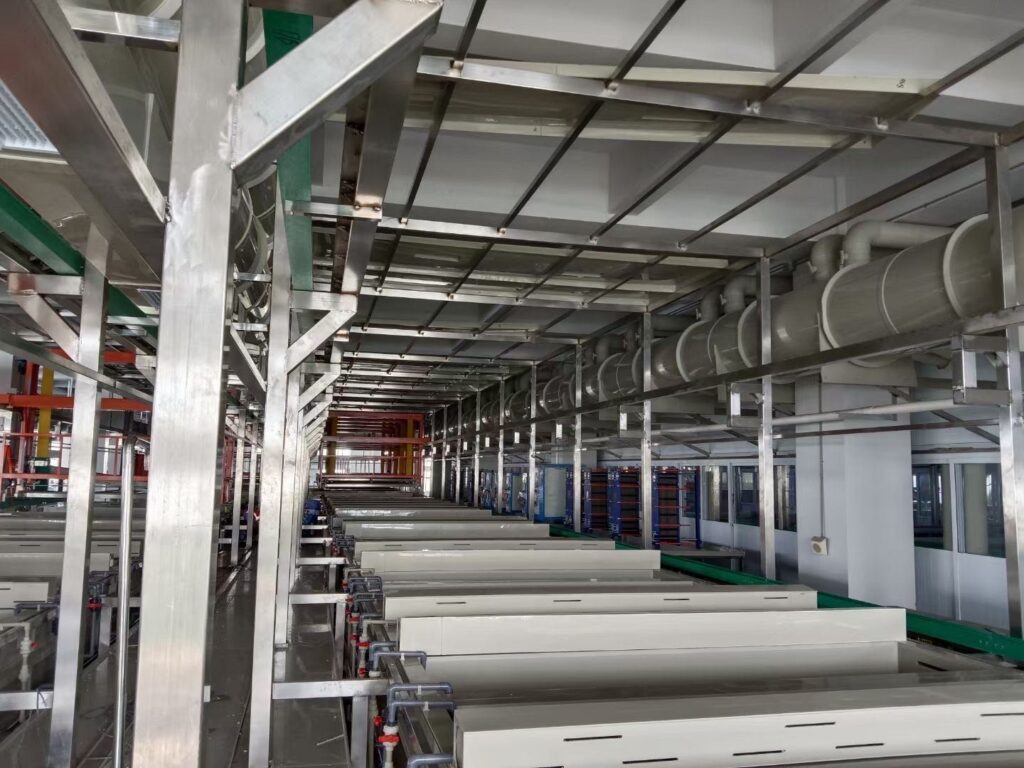
Ventilation duct layout of electroplating plant

Selecting and Deploying PP Air Valves for Chemical Systems

Key Selection Criteria: Media Type, Concentration, and Operating Conditions

Selecting the correct PP air valve for a chemical piping application requires a systematic evaluation of the process conditions. The first criterion is media type and concentration: the valve body (PP), float (PP), and seal material (EPDM, FKM, or PTFE) must all be verified against the specific chemical at its operating concentration and temperature. Chemical resistance charts published by valve manufacturers such as https://ppairvalve.com/ provide detailed compatibility data, but for unusual chemical mixtures or concentrated solutions, bench testing of seal materials is recommended. FKM (Viton) seals are preferred for acidic and solvent-rich environments, EPDM for alkaline and aqueous applications, and PTFE for universal chemical resistance where seal elasticity is less critical.

The second criterion is valve type: single-orifice for continuous air release only, combination for both continuous release and bulk air handling. The third criterion is size: the orifice must be matched to the pipeline diameter and expected air volume, following guidelines published by the American Water Works Association (AWWA). The fourth criterion is pressure and temperature rating: the valve must exceed the maximum system pressure (including surge) and remain within the polypropylene thermal envelope. The fifth criterion is connection type: threaded (BSP/NPT) for small diameters, flanged (ANSI/DIN) for medium diameters, and fusion-welded for PP pipe systems requiring the highest joint integrity. The sixth criterion is certification requirements: for potable water or food-contact applications, the PP air valve must carry [NSF/ANSI 61](https://www.nsf.org/consumer-resources/articles/ansi-nsf-61 service, compliance with [ASTM D4101](https:///d41, chemical cleaning, and post-treatment piping. Across all these sectors, the PP air valve is custom-engineered for each application — seal materials, orifice sizes, and connection types are specified based on the unique chemical, thermal, and hydraulic conditions of each system. For corrosion-resistant piping components beyond the valve itself — including PP and FRP pipe, fittings, and ductwork — specialized manufacturers such as https://plastic-duct.com/ provide complete system solutions.

Installation Positioning, Maintenance Best Practices, and Service Life Optimization

Correct installation positioning is critical for PP air valve performance. Valves must be installed vertically at pipeline high points — summits, elevated elbows, and long ascending runs — where air naturally accumulates. Industry guidelines recommend air valve spacing of 500m to 800m on long horizontal runs and at every high point exceeding 1m elevation on undulating routes (citation:5). Each PP air valve should be installed above an isolation valve that allows removal for maintenance without draining the pipeline. Connections must be aligned to prevent mechanical stress on the polypropylene body, and all threaded joints should be sealed with PTFE tape compatible with the chemical service.

Maintenance is minimal but disciplined. Quarterly external inspections check for body cracks, UV degradation, and connection leaks. Semi-annual functional tests verify that the valve opens and closes correctly by manipulating the isolation valve. Annual internal inspections — during scheduled shutdowns — examine the float, seal, and orifice seat for wear or chemical attack. Seal replacement is typically needed every three to five years depending on chemical severity. The expected service life of a properly specified PP air valve in chemical service is 15 to 20 years or more, compared to 5 to 10 years for stainless steel valves in the same environment. This extended lifespan, combined with near-zero corrosion-related maintenance, drives the lifecycle cost advantage that makes the PP air valve the most economical choice for corrosion-resistant chemical piping systems worldwide.


PP Air Valve

The Ultimate Guide to PP Air Valve: Working Principles, Selection & Installation

Air trapped inside a pressurized piping system is one of the most persistent and costly problems in water distribution, wastewater conveyance, chemical processing, and industrial fluid handling. Unreleased air pockets reduce pipeline flow capacity, increase energy consumption at pumping stations, accelerate corrosion on metallic components, and create dangerous pressure surges — known as water hammer — that can fracture pipes and damage fittings. The device engineered specifically to solve this problem is the air valve, and when the transported medium is corrosive, abrasive, or chemically aggressive, the valve body material becomes as critical as the valve’s hydraulic performance. This is where the PP air valve has earned its place as an essential component in modern piping infrastructure.

A PP air valve is constructed from polypropylene, a thermoplastic polymer renowned for its broad chemical resistance, lightweight construction, and long service life in environments that rapidly degrade metal and even some other plastic valve materials. From municipal wastewater treatment plants and desalination facilities to chemical manufacturing and mining operations, the PP air valve is deployed wherever pipelines must reliably expel accumulated air, admit air during negative-pressure events, and release air continuously during normal flow conditions. Despite its widespread adoption, many engineers and system designers still lack a thorough understanding of how a PP air valve works internally, how to select the correct type and size for a given application, and how to install and maintain it for maximum service life. This guide fills that gap, providing a complete technical reference on PP air valve working principles, type selection, material comparisons, installation best practices, maintenance protocols, and troubleshooting procedures.

	PP Air Valve

What Is a PP Air Valve and How Does It Work?

Polypropylene Material Properties: Why PP Is Ideal for Air Valves

Polypropylene (PP) is a semi-crystalline thermoplastic polymer belonging to the polyolefin family, produced through the catalytic polymerization of propylene monomers. It is available in homopolymer and copolymer grades, each offering slightly different mechanical and thermal profiles. For valve applications, the material’s most important attribute is its exceptional chemical inertness. Polypropylene resists virtually all inorganic acids — including sulfuric, hydrochloric, nitric, and hydrofluoric acids — as well as strong alkalis, saline solutions, and a broad spectrum of organic solvents (citation:1)(citation:7). This resistance is not a surface treatment or coating; it is an inherent property of the polymer’s molecular structure, meaning it does not degrade, diminish, or wear away over time.

Beyond chemical resistance, polypropylene offers several practical advantages for valve construction. It has a low density (approximately 0.90–0.91 g/cm³), making PP air valve units significantly lighter than their metal equivalents — a benefit that simplifies handling, reduces support requirements on piping, and lowers shipping costs. The material has good impact resistance at ambient temperatures, a continuous service temperature range up to approximately 90°C, and excellent fatigue resistance under cyclic pressure loading. Polypropylene is also non-toxic and approved for contact with potable water under standards such as NSF/ANSI 61, making PP air valve units suitable for drinking water applications. For detailed material specifications and chemical resistance data, valve manufacturers such as https://ppairvalve.com/ provide comprehensive engineering resources.

damper for air duct

Core Working Principles and Operating Mechanism

A PP air valve operates on a simple but effective principle: it uses the differential pressure between the pipeline interior and the atmosphere to automatically open and close internal sealing mechanisms in response to the presence or absence of air. During normal pipeline operation, water or process fluid fills the pipeline under pressure. Any air present in the system migrates to high points — such as peaks, elbows, and pump discharge headers — where it accumulates. The PP air valve is installed at these high points to capture and expel this air.

Inside the valve, a float mechanism is the primary control element. When air is present in the valve body, the float drops under gravity, unseating the sealing mechanism and opening an orifice that allows air to exhaust to the atmosphere. As air is expelled and liquid rises into the valve body, the float rises with the liquid level, pushing the seal back onto the orifice seat and closing the valve to prevent liquid from escaping. This cycle repeats continuously as air accumulates and is released. For large volumes of air — such as during pipeline filling or draining — the large orifice opens fully to allow rapid air movement. During normal operation with small, continuous air release, a small orifice remains active to bleed air gradually without disturbing system pressure. The entire mechanism is passive, requiring no external power source, actuator, or control signal, which is a key reason why PP air valve units are favored for remote or unmanned installations where reliability and simplicity are paramount.

Key Components and Internal Structure Explained

Although the specific design varies by manufacturer and valve type, a standard PP air valve contains several core components that work together to manage air in the pipeline. The valve body is the main housing, injection-molded or machined from solid polypropylene, and it defines the valve’s pressure rating, connection size, and chemical compatibility. The body typically features a threaded, flanged, or solvent-cement connection for integration into the pipeline. Inside the body, the float assembly — comprising a hollow or solid polypropylene float connected to a linkage mechanism — rises and falls with the liquid level to actuate the sealing mechanism.

The sealing mechanism consists of an elastomeric seal (typically EPDM or FKM, selected for chemical compatibility with the process medium) mounted on a seal holder that mates with a precision-machined orifice seat in the valve body. In single-orifice designs, one seal and seat combination controls all air flow. In double-orifice designs, a large orifice handles bulk air release during filling and draining, while a small orifice handles continuous air release during normal operation. The bonnet or cover caps the valve body and provides access for internal inspection and maintenance. Some PP air valve designs incorporate an anti-slam mechanism — a damping device that slows the float’s rise as liquid enters the valve, preventing the seal from slamming onto the orifice seat and causing destructive water hammer. The following table summarizes the key components and their functions:

ComponentMaterialFunction
Valve BodyPolypropylene (PP)Main housing; defines pressure rating and chemical compatibility
Float AssemblyPP or PP with sealed air chamberRises/falls with liquid level to actuate seal
SealEPDM, FKM, or PTFECreates bubble-tight closure on orifice seat
Orifice SeatPP or stainless steel insertPrecision surface for seal mating
Bonnet / CoverPPProtects internals; allows maintenance access
Anti-Slam DevicePP or stainless steelPrevents water hammer during valve closure
Screen / FilterPP or stainless steel meshPrevents debris from entering valve body

For a visual breakdown of these components and their assembly, detailed product diagrams are available at https://ppairvalve.com/.

Factory exhaust air control system

Types of PP Air Valves and How to Choose the Right One

Single-Orifice, Double-Orifice, and Combination Air Valve Types

PP air valve units are manufactured in three primary configurations, each designed to address a specific air management scenario in pressurized pipelines. Understanding the differences between these types is essential for proper system design. The single-orifice air valve — also called an air release valve — features one small orifice and is designed to discharge small, accumulated volumes of air continuously during normal pipeline operation. It is effective at high points where air pockets form gradually over time but is not designed to handle large volumes of air during filling or draining events. Single-orifice PP air valve units are the simplest and most economical option, making them suitable for straightforward applications with predictable air accumulation rates.

The double-orifice air valve incorporates two separate orifices within a single valve body: a small orifice for continuous air release during normal operation and a large orifice for rapid intake or exhaust of large air volumes during pipeline filling, draining, or pump start-up/shutdown events. The large orifice opens when the float drops fully, allowing bulk air movement at rates many times greater than the small orifice can handle. This dual-function design makes the double-orifice PP air valve the most versatile option, and it is the most commonly specified type in municipal water and wastewater systems (citation:3). The combination air valve merges both functions — continuous air release and large-volume air intake/exhaust — into a single, integrated unit, often with the two orifice assemblies stacked vertically within one body. Combination PP air valve units are preferred at critical high points where both functions are required and space is limited.

Critical Selection Criteria: Size, Pressure Rating, and Media Compatibility

Selecting the correct PP air valve for a given application requires careful evaluation of several interdependent parameters. First, orifice size must be matched to the pipeline diameter and expected air flow rates. Industry guidelines, such as those published by the American Water Works Association (AWWA), recommend specific valve orifice sizes relative to pipeline diameter — for example, a 50mm (2″) combination valve for pipelines up to 300mm (12″) diameter, with larger valves for larger mains. Undersizing the valve results in inadequate air release, while oversizing adds unnecessary cost.

Second, the pressure rating of the PP air valve must exceed the maximum working pressure of the pipeline, including transient surge pressures. Standard PP air valve ratings range from PN10 (10 bar / 145 psi) to PN16 (16 bar / 232 psi), with higher ratings available for specialized applications. Third, media compatibility is critical: the valve body (PP), float (PP), and seal material (EPDM, FKM, or PTFE) must all be chemically compatible with the transported fluid. For aggressive chemicals, FKM (Viton) seals are preferred over EPDM, and the polypropylene grade should be verified against the specific chemical concentration and temperature. Fourth, connection type — threaded (BSP/NPT), flanged (ANSI/DIN), or solvent-cement — must match the pipeline connection standard. Fifth, temperature rating must be confirmed: standard PP air valve units are rated for continuous operation up to 90°C, which covers most water, wastewater, and chemical applications but excludes high-temperature steam or hot oil systems. The following checklist summarizes the selection process:

Selection ParameterKey ConsiderationTypical Range
Valve TypeSingle, double, or combinationMatch to air management need
Orifice SizeMatch to pipeline diameter and air volume½” to 4″ orifice
Pressure RatingMust exceed max system pressure + surgePN10 to PN16 standard
Seal MaterialMust be compatible with process mediumEPDM, FKM, PTFE
Connection TypeMust match pipeline standardThreaded, flanged, solvent-cement
Temperature RatingMust cover process temperature range-10°C to +90°C continuous
Installation LocationHigh points, pump discharge, long ascentsPer hydraulic profile

PP Air Valve vs. PVC, PVDF, and Metal Alternatives: A Comparison

When specifying an air valve for a corrosive or chemically aggressive piping system, engineers typically evaluate four material options: PP (polypropylene), PVC (polyvinyl chloride), PVDF (polyvinylidene fluoride), and metal alloys such as ductile iron, bronze, or stainless steel. Each material presents distinct trade-offs in chemical resistance, temperature capability, mechanical strength, cost, and service life. PP air valve units offer the broadest chemical resistance among common thermoplastic options, excellent resistance to stress cracking, and the lowest lifecycle cost in most corrosive applications. PVC valves are slightly less expensive but have a narrower chemical resistance window — particularly poor against ketones, chlorinated solvents, and concentrated acids — and a lower maximum temperature (60°C vs. 90°C for PP). PVDF offers superior chemical resistance and higher temperature tolerance (up to 140°C) but at a significantly higher material cost that is justified only in extreme chemical environments. Metal valves — particularly ductile iron with internal rubber lining or stainless steel — provide high mechanical strength and temperature capability but are susceptible to internal corrosion, require protective coatings that degrade over time, and are heavy and expensive.

Performance DimensionPP Air ValvePVC ValvePVDF ValveStainless Steel Valve
Chemical ResistanceExcellent — broadest among thermoplasticsGood — limited vs. some solventsSuperior — widest chemical rangeModerate — chloride-sensitive
Max Continuous Temp.90°C60°C140°C800°C+
WeightVery lightLightLightHeavy
Pressure RatingPN10–PN16PN10–PN16PN16–PN25PN16–PN40+
UV ResistanceModerate (additive-stabilized)Poor without coatingGoodN/A (metal)
Service Life (Corrosive)15–20+ years8–12 years20–25 years5–10 years (coating dependent)
Initial CostLow to moderateLowHighHigh
Lifecycle CostLowest in corrosive serviceModerateModerate to highHighest
Potable Water ApprovalNSF/ANSI 61 certifiableNSF/ANSI 61 certifiableNSF/ANSI 61 certifiableMaterial dependent

This comparison demonstrates that the PP air valve occupies an optimal balance point for the majority of corrosive fluid handling applications — delivering broad chemical resistance, adequate temperature and pressure ratings, lightweight construction, and the lowest total cost of ownership across a typical 20-year service horizon.

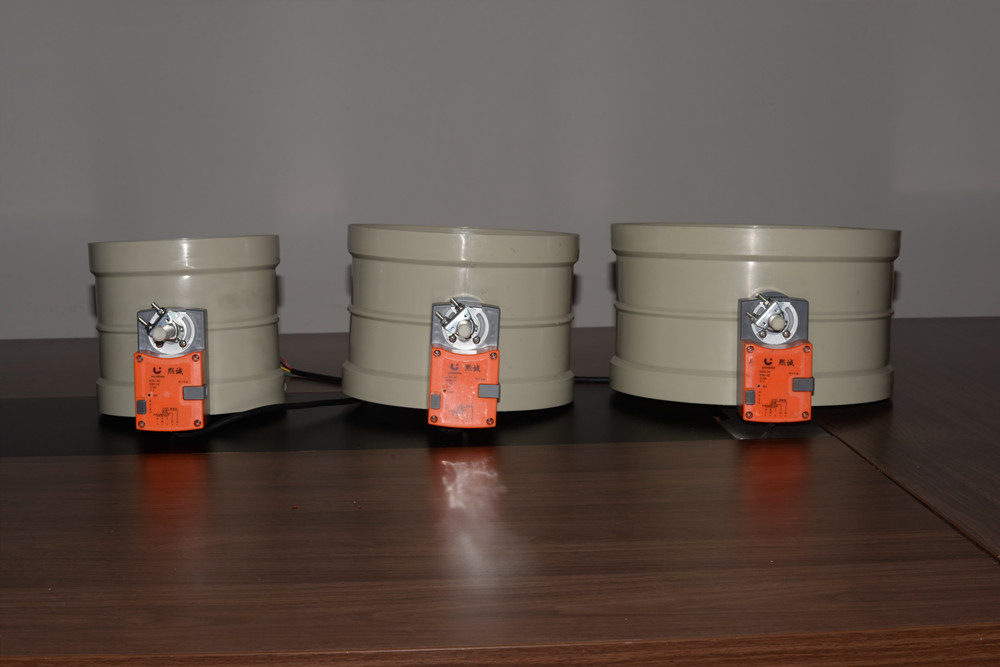
315MM Air Damping Valv

PP Air Valve Installation, Maintenance, and Troubleshooting

Step-by-Step Installation Guide and Best Placement Practices

Correct installation of a PP air valve is essential to its performance, longevity, and the overall health of the piping system. The first consideration is placement location. Air valves must be installed at pipeline high points where air naturally accumulates due to gravity, at regular intervals along long horizontal or ascending pipeline runs (typically every 500m to 800m as recommended by AWWA M51), at pump discharge headers, downstream of pressure-reducing valves, and at pipeline summits where negative pressure during pump shutdown can cause column separation. The valve must be installed vertically — never at an angle or horizontally — to ensure the float mechanism operates correctly under gravity.

The installation procedure begins with isolating and depressurizing the pipeline section. The PP air valve is connected to the pipeline via an isolation valve (typically a ball valve or gate valve) that allows the air valve to be removed for maintenance without draining the pipeline. The connection is made using the specified method — threaded connection with PTFE tape for small diameters, flanged connection with compatible gasket for medium diameters, or solvent-cement joint for PVC-to-PP transitions. All connections must be checked for alignment to prevent mechanical stress on the valve body. After connection, the isolation valve is opened slowly while monitoring for leaks. The system is then pressurized gradually, and the PP air valve is observed to confirm that it releases air during filling and closes properly when liquid reaches the valve. During commissioning, the pipeline should be filled slowly (at controlled velocity) to allow the air valve sufficient time to expel large air volumes through the large orifice without causing pressure transients. For detailed installation instructions specific to each valve model, manufacturers such as https://ppairvalve.com/ provide step-by-step technical guides.

Routine Maintenance Schedule and Inspection Checklist

Although PP air valve units are inherently low-maintenance devices thanks to the corrosion resistance of polypropylene and the simplicity of the float-and-seal mechanism, a disciplined inspection schedule ensures reliable long-term performance and prevents unexpected failures. The recommended maintenance protocol includes quarterly external inspections, semi-annual functional checks, and annual internal inspections. Quarterly external inspections involve visual examination of the valve body for cracks, UV degradation (indicated by chalking or discoloration of the PP surface), physical damage, and evidence of leakage around connections. Semi-annual functional checks involve slowly closing the downstream isolation valve to force air accumulation at the valve location, then verifying that the PP air valve opens and exhausts air as expected. Annual internal inspections — performed during scheduled pipeline shutdowns — require removing the bonnet and inspecting the float, seal, and orifice seat for wear, chemical attack, or debris accumulation.

The following checklist provides a structured maintenance framework:

Maintenance TaskFrequencyAction
External visual inspectionQuarterlyCheck body for cracks, leaks, UV degradation
Functional air release testSemi-annuallyVerify valve opens and closes under controlled conditions
Internal inspectionAnnuallyInspect float, seal, orifice seat for wear or damage
Seal replacementAs needed (typically 3–5 years)Replace EPDM/FKM seal if compression set or chemical attack is evident
Screen / filter cleaningSemi-annuallyRemove debris from inlet screen to prevent blockage
Connection integrity checkAnnuallyVerify threaded, flanged, or solvent-cement joints are tight
Documentation updateAfter each inspectionLog findings, actions, and component replacements

Maintaining this schedule ensures that the PP air valve continues to perform its critical function of air management throughout its design service life, while providing the documented inspection records that regulatory frameworks increasingly require for infrastructure compliance (citation:5).

Common Problems, Causes, and How to Fix Them

Even with proper installation and routine maintenance, PP air valve units can develop operational issues over time. Understanding the most common problems, their root causes, and their remedies enables operators to respond quickly and minimize pipeline disruption. The most frequent complaint is continuous water discharge from the valve, indicating that the seal is not seating properly on the orifice. This is typically caused by debris lodged between the seal and seat, chemical degradation of the elastomeric seal, or physical wear of the seal face. The remedy is to shut the isolation valve, remove the bonnet, clean or replace the seal, inspect the orifice seat for damage, and reassemble.

A second common problem is failure to release air, evidenced by persistent air pockets in the pipeline, reduced flow capacity, and audible air movement at high points. Causes include a stuck float (due to debris accumulation or chemical deposits on the float surface), a blocked inlet screen, or a seized linkage mechanism. The fix involves disassembly, thorough cleaning of all internal components, and verification that the float moves freely through its full travel range. A third issue is water hammer or slamming during valve closure, which occurs when the float rises rapidly as liquid enters the valve body, slamming the seal onto the orifice seat and generating a destructive pressure wave. This is addressed by installing a valve with an integrated anti-slam device or retrofitting an external damping mechanism. A fourth issue is body cracking, which can result from excessive mechanical stress due to pipeline misalignment, overtightened connections, or exposure to temperatures exceeding the PP rating. Prevention requires proper installation practices — ensuring alignment, using correct torque values, and verifying that process temperatures remain within the PP air valve’s rated envelope. For model-specific troubleshooting guidance, technical support resources are available at https://ppairvalve.com/, and broader pipeline engineering best practices are documented in publications by the American Society of Civil Engineers (ASCE).


Air Damper Valve Types Including Butterfly, Louver, Guillotine, Diverter, and Disc Valves

PP Dampers Prove Superior to Stainless Steel for Acidic Exhaust Applications

Why PP Dampers Are the Smart Choice for Acidic Exhaust Systems

In the specialized world of industrial exhaust management, particularly within chemical processing plants, semiconductor fabrication facilities, and laboratory ventilation systems, choosing the right components is critical. Among these vital components, PP dampers play an indispensable role in regulating airflow, isolating duct sections, and ensuring safety. When the exhaust stream contains acidic compounds, the selection of damper material becomes a strategic decision. For decades stainless steel was the default, yet PP dampers now deliver proven superiority in acidic exhaust applications.A growing body of industry evidence confirms that PP dampers outperform stainless steel, offering unmatched longevity, dramatically lower lifecycle costs, and superior operational efficiency. This comprehensive analysis shows why PP dampers for acidic exhaust represent the future of corrosion-resistant ventilation design.

PP dampers

Unmatched Corrosion Resistance: Why PP Dampers Outlast Stainless Steel in Harsh Chemical Environments

Inherent Chemical Inertness of Polypropylene in PP Dampers

Polypropylene (PP) is a thermoplastic polymer with exceptional chemical resistance. When acidic condensates form on PP dampers, they simply bead and drain away without reacting. Even if scratched, PP dampers retain full corrosion resistance throughout the material — unlike coatings that fail when breached. This built-in inertness makes PP dampers the ideal solution for complex chemical exhaust streams.The Risk of Pitting and Crevice Corrosion in Stainless Steel vs. PP Dampers
Stainless steel relies on a fragile passive film that chlorides easily destroy, causing pitting and crevice corrosion. PP dampers, however, eliminate these failure modes entirely because they are chemically inert. In acidic exhaust applications, PP dampers remove the primary cause of premature failure that plagues stainless steel.

ductwork damper

The Risk of Pitting and Crevice Corrosion in Stainless Steel Exposed to Chlorides

Stainless steel’s corrosion resistance is not based on inertness, but on passivity. It contains chromium, which reacts with oxygen to form a thin, adherent chromium oxide layer on the surface. This passive film is what makes stainless steel “stainless” under normal atmospheric conditions. However, this film is vulnerable to localized breakdown in the presence of halides, particularly chlorides, which are common in many industrial processes, from plastics manufacturing to metal pickling. When chlorides are present in the acidic condensate, they can penetrate the passive film at weak points, such as surface imperfections, inclusions, or areas beneath deposits. Once the film is breached, the underlying metal becomes active and begins to corrode rapidly. This initiates a pit. Critically, the environment inside a pit becomes autocatalytic; the corrosion process consumes oxygen and generates positive metal ions, which attract negative chloride ions from the bulk solution. The metal chlorides hydrolyze to form hydrochloric acid, drastically lowering the pH within the pit and accelerating the corrosion rate even further. This leads to deep, narrow pits that can penetrate the full thickness of the damper blade, causing leaks and structural failure. Equally damaging is crevice corrosion, which occurs in the stagnant, shielded areas common in damper assemblies—beneath bolt heads, at gasketed joints, or between the blade and the seat when the damper is partially closed. In these tight spaces, the restricted flow of oxygen prevents the passive film from repairing itself, while chlorides and acidity build up to aggressive levels. Research has demonstrated that for stainless steels like 304L and 316L, chloride accumulation within a crevice to levels around 20 mmol/m² is sufficient to initiate corrosion that progresses in depth over time. Even high-alloy stainless steels, while more resistant, are not immune under the right combination of high chlorides, low pH, and elevated temperatures. The insidious nature of pitting and crevice corrosion means that a damper can appear intact externally while being riddled with penetrating holes internally, leading to catastrophic and unpredictable failure that often results in costly emergency shutdowns and environmental compliance violations.

Comparative Lab Tests: PP Dampers Show Zero Degradation After Extended Acid Exposure

The theoretical advantages of PP over stainless steel are compellingly validated by empirical data from controlled laboratory environments. Standardized corrosion testing, such as immersion in aggressive chemical solutions at elevated temperatures, consistently demonstrates the superiority of PP in acidic environments. While stainless steel samples often show significant weight loss, pitting, and discoloration, PP samples emerge unchanged. The following table summarizes comparative performance data derived from multiple corrosion studies and material property databases, illustrating the fundamental differences in material response to key corrosive agents found in acidic exhaust streams.

Material Performance in Common Acidic Exhaust Condensates

Corrosive AgentConcentrationTemperatureStainless Steel (316L) PerformancePolypropylene (PP) PerformanceTest Duration
Sulfuric Acid (H₂SO₄)10-50%50°CModerate corrosion; surface etching and weight loss of 0.5-2.0 mm/yearNo attack; weight loss <0.01 mm/year; surface unchanged30 days
Hydrochloric Acid (HCl)5-15%40°CSevere pitting initiated within 72 hours; crevice corrosion at flange surfacesNo attack; completely inert; no measurable change30 days
Chlorides (NaCl + HCl)5% NaCl + 5% HCl60°CRapid localized attack; pitting depth >0.5 mm after 14 daysNo effect; material fully resistant to chloride attack30 days
Nitric Acid (HNO₃)10-30%50°CPassivation maintained but risk of intergranular corrosion in welded areasGood resistance; slight surface oxidation but no structural degradation30 days
Mixed Acid/Chloride StreamH₂SO₄/HCl/NaCl blend45°CSynergistic attack; pitting and general corrosion observedExcellent resistance; no measurable weight loss or surface changes45 days

In specific test cycles involving exposure to condensing hydrochloric acid vapor, a common byproduct of PVC combustion or industrial cleaning processes, PP dampers show a mass change of less than 0.1% after 30 days of exposure. In stark contrast, 316L stainless steel samples exposed to the same environment exhibit visible pitting within hours and can lose structural integrity within weeks due to chloride-induced stress corrosion cracking. Independent testing laboratories across Europe and North America have consistently reproduced these results, confirming that for the vast majority of acidic exhaust applications, PP does not merely compete with stainless steel.Learn more about material selection in EPA exhaust guidelines: https://www.epa.gov/sites/default/files/2020-07/documents/cs2ch1.pdf;it completely outperforms it by eliminating the primary failure mechanism altogether. These findings have significant implications for industries operating under stringent environmental regulations, where equipment failure can result in substantial fines, production losses, and reputational damage.

Cost-Effectiveness and Lifecycle Value: PP Dampers Deliver More for Less

Lower Upfront Material and Fabrication Costs of PP Dampers

The economic advantages of selecting polypropylene for damper construction begin at the very start of the project lifecycle: procurement and fabrication. Polypropylene resin, while a sophisticated engineering material, is fundamentally less expensive to produce and process than the complex alloyed metals required for corrosion-resistant stainless steel grades. Stainless steels, particularly molybdenum-bearing grades like 316L that are specified for acidic environments, involve energy-intensive melting, alloying, and hot rolling processes that contribute to their high base material cost. Current global market prices indicate that raw material costs for 316L stainless steel are approximately three to five times higher per kilogram than food-grade polypropylene, and this disparity widens when comparing specialty corrosion-resistant alloys. Furthermore, the fabrication of PP dampers is inherently more efficient. Polypropylene components are typically manufactured through extrusion welding of sheet stock or injection molding of complex shapes, processes that occur at significantly lower temperatures (200-250°C) compared to steel fabrication (1500°C+). This translates directly into lower energy consumption and reduced manufacturing costs. PP fabrication does not require the specialized tooling, heavy-duty machining equipment, or post-weld passivation treatments that are mandatory for stainless steel to restore its corrosion-resistant layer after welding. Post-weld treatment for stainless steel involves pickling pastes or acid baths to remove heat tint and re-form the passive oxide layer, adding both material costs and hazardous waste disposal requirements. The simplicity of PP manufacturing means that suppliers can offer PP dampers at a price point that is consistently 30-50% lower than an equivalent stainless steel assembly, providing immediate capital expenditure savings for plant owners and contractors without compromising on the core requirement of corrosion resistance. For large-scale projects requiring multiple dampers, these upfront savings can amount to hundreds of thousands of dollars, freeing up capital for other critical process improvements.

Minimal Maintenance Requirements Translate to Long-Term Savings

While the upfront cost savings are compelling, the most significant financial benefits of PP dampers accrue over the operational life of the exhaust system, typically spanning 15-25 years. Stainless steel dampers operating in acidic, condensing environments are not “fit and forget” components; they require a rigorous and ongoing maintenance regimen that imposes substantial cumulative costs. This includes regular internal inspections, often requiring system shutdowns every 3-6 months, to check for the initiation of pitting or crevice corrosion. Each inspection involves labor costs for maintenance personnel, potential scaffolding or access equipment rental, and the production losses associated with system downtime. When damage is detected—and in chloride-laden environments, it inevitably will be—repairs are complex and costly, often involving welding by certified professionals, followed by re-passivation treatments and non-destructive testing to verify integrity. In many cases, the localized damage is so severe that the entire damper assembly must be replaced, incurring not only the cost of the new part but also the significant expense of emergency procurement, expedited shipping, and unscheduled labor at overtime rates. PP dampers fundamentally disrupt this costly cycle of inspection, repair, and replacement. Because they do not corrode, they do not require the same level of intrusive inspection. Their maintenance is typically limited to annual visual checks and mechanical function tests that can often be performed while the system is operational. The elimination of corrosion-related replacement cycles means that facilities can plan for decades of uninterrupted service with predictable maintenance budgets. A comprehensive lifecycle cost analysis conducted for a semiconductor facility in Southeast Asia demonstrated that switching from 316L stainless steel to PP dampers for their acid exhaust system reduced 20-year ownership costs by over 60%, with the savings coming almost entirely from eliminated inspection hours, avoided repairs, and zero replacement events. This predictability in operational expenditure is a key driver in the global shift toward engineered polymers across industries where budget certainty is highly valued.

Lightweight PP Design Reduces Structural Support Costs and Installation Time

Beyond material and maintenance savings, the physical properties of polypropylene offer distinct logistical and installation advantages that further enhance its lifecycle value proposition. With a density of approximately 0.91 g/cm³ compared to steel’s 8.0 g/cm³, PP has a specific gravity roughly one-ninth that of stainless steel. A PP damper of equivalent size and function therefore weighs approximately 85-90% less than its stainless steel counterpart. This dramatic reduction in mass has a cascading positive effect on the entire project infrastructure. Firstly, it simplifies and cheapens the supporting structure. Ductwork supports, building steel, equipment platforms, and foundation requirements can be significantly downsized, as they no longer need to bear the heavy point loads associated with metal dampers. Structural engineers can specify lighter gauge supports and fewer anchor points, reducing material costs and simplifying seismic bracing calculations. In retrofit applications where existing buildings may have limited load-bearing capacity, this low weight is particularly advantageous, often eliminating the need for expensive structural reinforcement that would otherwise be mandatory for steel components. Secondly, the installation process itself becomes faster, safer, and less expensive. Lightweight PP dampers weighing 50-100 kg can often be maneuvered into place by small crews of 2-3 people using basic rigging equipment such as chain hoists or even manual lifting, completely eliminating the need for cranes, forklifts, or specialized heavy haulage. This speed of installation reduces on-site labor costs—often the single largest variable expense in construction projects—and accelerates overall project timelines, allowing production systems to come online faster and begin generating revenue. For offshore installations or remote project sites where heavy lifting equipment is difficult or expensive to mobilize, the ability to handle components manually or with light equipment represents an even more pronounced advantage. When these savings in rigging, structural steel, foundations, and installation labor are combined with the lower unit cost and reduced maintenance requirements, the total lifecycle cost analysis becomes overwhelmingly favorable for PP dampers in the vast majority of acidic exhaust applications, with payback periods often measured in months rather than years.

Operational Efficiency and Practical Considerations for PP Dampers in Exhaust Systems

Smooth Surface of PP Prevents Buildup of Acidic Residues and Ensures Consistent Performance

The operational efficiency of an exhaust system is heavily dependent on the internal surface characteristics of its components, a factor that is often overlooked during initial specification but becomes critically important over years of continuous operation. Stainless steel, even when polished to a smooth finish, presents a surface that is susceptible to the adhesion of particulate matter and the nucleation of condensate droplets. This susceptibility arises from the surface energy of metals and the microscopic irregularities that remain even after finishing processes. Over time, this leads to the progressive buildup of tacky, acidic residues on damper blades, linkages, and seating surfaces—a phenomenon commonly observed in exhaust systems handling combustion products, chemical vapors, or particulate-laden airstreams. This accumulation has multiple negative consequences. It reduces the cross-sectional area available for airflow, increasing system pressure drop and forcing fans to work harder, which directly increases energy consumption and electricity costs. It can unbalance the rotating elements of the system, leading to vibration and premature bearing failure. Most critically, residue buildup interferes with the mechanical operation of the damper itself, causing blades to stick, seals to fail to achieve tight shutoff, and actuators to work against increasing resistance, leading to premature wear and potential system imbalance that can compromise laboratory safety or process containment. Polypropylene, by its very nature, exhibits a low surface energy and a naturally smooth, hydrophobic surface structure. Acidic condensates struggle to wet this surface, forming discrete beads that rapidly drain away under gravity rather than spreading into a film that can capture and retain particulates. This self-cleaning action, analogous to the well-known “lotus effect” observed in nature, ensures that the aerodynamic profile of the damper remains clean and consistent over time. System pressure drop remains stable and within design specifications year after year, fan energy consumption is optimized at the lowest possible level, and the damper’s mechanical operation—its ability to open, close, and modulate precisely—remains accurate and reliable throughout its service life without the need for manual cleaning or intervention.

Easy Installation Due to Lightweight Nature – No Heavy Lifting Equipment Needed

The practical benefits of a lightweight PP damper extend beyond documented cost savings into the equally important realms of workplace safety and construction project flexibility, considerations that are increasingly prioritized in global environmental, health, and safety management systems. In the complex physical environment of a chemical plant expansion, laboratory renovation, or semiconductor fab construction, access to installation points is often severely limited by existing equipment, overhead obstructions, and congested utility routings. Dampers may need to be installed in crowded mechanical equipment rooms, on rooftops with restricted crane access or weight limitations, or within existing ductwork runs during a fast-paced plant turnaround when production downtime is measured in hours. The sheer weight of a stainless steel damper in these scenarios presents a significant logistical hurdle and a disproportionate safety risk. Maneuvering a heavy, awkward metal object weighing several hundred kilograms into a tight space often requires complex rigging plans with multiple attachment points, coordination between riggers and equipment operators, and the ever-present risk of dropping or damaging the component, surrounding infrastructure, or—most critically—injuring personnel. Manual handling of heavy steel components is a leading cause of workplace musculoskeletal injuries and lost-time incidents in industrial construction. Polypropylene dampers, being up to 90% lighter, transform this challenging high-risk operation into a routine low-risk task. They can be carried, lifted by hand, and positioned accurately by small crews using only basic slings and manual hoists, dramatically reducing the risk of workplace injuries associated with heavy lifting, overhead loads, and crane operations. This ease of handling also grants project managers and construction supervisors unprecedented flexibility. Installation sequences can be adjusted on the fly to accommodate unexpected site conditions. Dampers can be staged closer to their final position without requiring crane access or creating tripping hazards. Multiple installation crews can work simultaneously without competing for limited heavy lifting resources. This simplification of the installation process not only saves direct labor costs but also contributes to a safer, more agile, and more productive worksite—a consideration that translates directly to improved project outcomes and enhanced corporate safety metrics.

Temperature Limits: When Stainless Steel Remains the Better Option (and How PP Compensates)

To present a complete, balanced, and professionally credible engineering perspective, it is essential to acknowledge the operational boundaries of polypropylene and provide clear guidance on appropriate material selection criteria. As a thermoplastic polymer, polypropylene has a lower maximum continuous service temperature compared to stainless steel, a fundamental limitation imposed by its organic chemical structure. Standard polypropylene homopolymer and copolymer grades are typically rated for continuous use at temperatures up to approximately 80°C to 90°C (176°F to 194°F), with some specialized heat-stabilized formulations extending this range to 100-110°C for short-term excursions. For exhaust streams that consistently operate above these temperatures, or for applications requiring fire-rated dampers that must maintain structural integrity and prevent flame propagation during a fire event, stainless steel—or other high-temperature alloys such as Inconel or Hastelloy—remains the necessary and appropriate material choice. However, this temperature limitation is significantly less restrictive in real-world industrial practice than it might appear in theoretical comparisons. Many acidic exhaust streams, particularly those from wet scrubbers, chemical fume hoods, biological safety cabinets, and low-temperature drying processes, are either near ambient temperature (20-30°C) or are deliberately cooled below the condensation point of acids specifically to protect downstream equipment and minimize plume visibility. In these common and widespread scenarios, PP is not merely suitable but ideal, operating well within its comfortable temperature envelope. Furthermore, where process temperatures are elevated, they are often intermittent rather than continuous—batch processes, startup transients, or upset conditions that produce brief temperature spikes. The thermal mass and inherently insulating properties of PP mean that such brief excursions are typically well-tolerated without damage, as the polymer does not conduct heat rapidly enough to reach its softening point during short-duration events. Advanced engineering practices in modern facility design also readily mitigate this temperature limitation by strategically positioning PP dampers downstream of heat recovery units, quench sections, or dilution air inlets—placing them in the coolest part of the exhaust system where their exceptional corrosion resistance provides the maximum operational benefit while stainless steel components handle the upstream high-temperature zone. By understanding and designing around this well-defined temperature envelope, consulting engineers and facility owners can deploy PP dampers in the vast majority (estimated 85-90%) of acidic exhaust applications, reserving expensive specialty alloys only for those niche, high-temperature process streams where they are truly required, thereby optimizing both system performance and capital investment across the entire facility portfolio.


Industrial air damper valve installation in power plant FGD ductwork

Stop Using Stainless Steel: 5 Reasons to Choose PP Dampers for Acidic Fume Systems

PP Dampers deliver unmatched performance in harsh environments. Engineers and specifiers worldwide now prefer PP Dampers over stainless steel for acidic fume systems. The switch brings clear, proven advantages in corrosion protection, cost efficiency, safety, and long-term reliability.

By choosing PP Dampers, facilities can eliminate the hidden risks and expenses associated with metallic components. This comprehensive guide explains exactly why PP Dampers have become the preferred solution for handling aggressive acidic exhaust streams.

air flow control CAV damper -1

Superior Corrosion Resistance of PP Dampers

How PP Dampers Withstand Highly Acidic Environments

Polypropylene (PP) is a high-performance thermoplastic polymer that offers exceptional resistance to a broad spectrum of aggressive chemicals. These include organic acids, inorganic acids, and strong alkalis that are commonly present in industrial exhaust streams from chemical processing, metal finishing, and pharmaceutical operations.

In real fume handling systems, PP Dampers face constant exposure to highly corrosive condensate. This forms when hot, moisture-laden acidic air cools inside the ductwork, creating concentrated acidic solutions that can reach pH levels as low as 1 or 2.

The molecular structure of PP provides complete chemical inertness. There are simply no free ions in the polymer matrix that can react with attacking acids, which completely prevents any chemical degradation, swelling, cracking, or material weakening over time. Unlike stainless steel that depends only on thin surface coatings or passive oxide layers for protection, PP Dampers deliver uniform, homogeneous resistance throughout the entire thickness of every component.

Modern PP Dampers also incorporate advanced UV stabilizers and impact modifiers during manufacturing. These additives ensure the units maintain perfect dimensional stability and tight sealing performance even under repeated thermal cycling conditions typical in industrial scrubber and exhaust systems.

As a direct result, PP Dampers routinely achieve operational lifetimes measured in decades, while stainless steel alternatives typically require replacement after just a few years of service.

The Failure Modes of Stainless Steel in Acidic Fume Systems

The popular term “stainless” unfortunately creates a false sense of security among many engineers and project specifiers. In severe acidic service conditions, even premium grades such as 316L stainless steel suffer from predictable and progressively destructive failure mechanisms that can compromise entire ventilation systems.

Pitting corrosion and crevice corrosion are the most frequent attack vectors. These are dramatically accelerated by the presence of chlorides, fluorides, and sulfates that are routinely found in industrial acid exhaust streams. When acidic condensate settles on damper blades, shafts, or housings, it systematically breaks down the protective chromium oxide layer that gives stainless steel its reputation. Once this passive film is breached, the underlying iron matrix becomes fully exposed, triggering aggressive galvanic corrosion that etches deep, stress-concentrating pits into the metal structure. Even more dangerous is Stress Corrosion Cracking (SCC). In environments that combine chlorides with tensile stress — exactly the conditions experienced by operating damper blades and rotating shafts — austenitic stainless steels can fracture suddenly and catastrophically without any significant prior metal loss or visible warning signs. Documented field studies of boiler chimney liners made from SS 304 have repeatedly shown accelerated wall thinning caused by acidic flue gas condensation. Chemical analysis of the deposits confirmed highly aggressive environments with pH values down to 2, dominated by sulfate ions that progressively destroy the metal. These failure modes prove that even systems originally designed as “dry” gas handling inevitably develop condensation points where liquid acid pools form, systematically destroying metallic components regardless of the alloy grade selected. For deeper technical insight, explore these external resources: A review of stress corrosion cracking of austenitic stainless steels and Stainless Steel Corrosion Case Studies. PP Dampers completely eliminate every one of these failure risks through their inherent material properties.

Real-World Examples of PP Dampers Outlasting Metal Alternatives

PP Dampers consistently demonstrate superior longevity across diverse industrial sectors including chemical processing, pharmaceutical manufacturing, semiconductor production, and metal finishing plants around the world.

In hydrochloric acid handling facilities within the chemical industry, operational records show that stainless steel dampers typically need complete replacement or extensive shaft and blade refurbishment within only 12 to 18 months after commissioning. The primary causes are bearing seizure and progressive edge erosion caused by ongoing acidic condensate attack. In identical applications, fully welded PP Dampers have delivered continuous, trouble-free service for 8 to 10 years or longer, requiring nothing more than routine visual inspections.

One large metal finishing plant processing hexavalent chromium and nitric acid exhaust went through several material iterations. Coated carbon steel dampers failed completely within six months. Next, 316L stainless steel units lasted only two years before pitting and leakage forced another replacement.

The final switch to PP Dampers eliminated all corrosion-related degradation. At the same time, the much lighter PP Dampers reduced deadweight loading on existing ductwork supports by approximately 85 percent. This simplified structural engineering requirements and dramatically improved overall system reliability and safety.

These real-world performance differences have led to widespread industry recognition: for acidic fume environments, engineered PP Dampers have moved far beyond being a simple alternative and have established themselves as the definitive standard for predictable, long-term performance and operational peace of mind.

Cost Savings and Operational Efficiency with PP Dampers

Lower Material and Installation Costs Compared to Stainless Steel

The economic benefits of selecting PP Dampers begin the moment you issue a purchase order and continue through every stage of installation and commissioning. Stainless steel pricing is notoriously volatile and expensive due to the high content of nickel and molybdenum required in corrosion-resistant alloys such as 317L or duplex grades needed for truly aggressive acidic service.

In contrast, polypropylene benefits from stable global petrochemical supply chains and mature manufacturing infrastructure, delivering predictable and significantly lower base material costs for PP Dampers.

Beyond raw material savings, the dramatic weight difference creates major installation economies. A typical PP Damper weighs 50 to 70 percent less than a functionally identical stainless steel unit. This directly reduces freight expenses, simplifies logistics planning, and cuts transportation carbon emissions.

Installation teams can easily position and secure PP Dampers without needing cranes, hoists, or heavy lifting equipment. This eliminates specialized rigging costs and reduces total labor hours by up to 40 percent on many projects. The weight advantage also cascades to supporting infrastructure. Lighter PP Dampers allow the use of lighter-gauge ductwork supports, reduced structural steel quantities, and simpler foundation designs, generating substantial cost savings throughout the entire balance-of-plant construction phase.

Ventilation duct layout of electroplating plant

Reduced Downtime and Maintenance Expenses

Detailed operational expenditure analysis reveals the strongest long-term economic argument for adopting PP Dampers in acidic fume systems. Stainless steel dampers installed in corrosive service demand intensive, ongoing maintenance programs. Shafts require special acid-resistant lubricants, blades must be inspected frequently for early pitting, and housing seals often need replacement due to corrosion buildup on flange surfaces. Every maintenance intervention adds direct labor and material costs while exposing the facility to unplanned production interruptions. PP Dampers fundamentally break this expensive cycle. Their inherent material properties eliminate corrosion as a degradation mechanism entirely. The natural lubricity of polypropylene greatly reduces bearing and shaft seizure risks.

Additionally, the complete absence of rust scale formation prevents harmful particulate shedding that could otherwise damage downstream equipment such as fans, scrubber packing media, and sensitive control instruments. This built-in reliability translates into far fewer unplanned downtime events. For continuous manufacturing operations where each hour of lost production can cost tens of thousands of dollars, the predictable performance of PP Dampers delivers economic returns that quickly exceed any initial purchase price difference.

Energy Efficiency Gains from Lightweight PP Construction

Many hidden energy costs in fume handling systems accumulate steadily over the equipment’s operational lifetime, and the choice of damper material directly affects these ongoing expenses. Heavy stainless steel dampers require correspondingly large and power-intensive actuation systems — high-torque pneumatic or electric actuators that must overcome both friction and airstream pressure while moving heavy blades. The lightweight design of PP Dampers allows engineers to specify smaller, more energy-efficient actuators that still provide equal or better positioning accuracy and response speed. Furthermore, polypropylene surfaces are naturally smoother than mill-finished stainless steel. This reduces the friction factor and overall system pressure drop in airflow calculations.

Lower pressure drop enables centrifugal fans to operate at reduced speeds or against less resistance, resulting in proportionally lower electrical energy consumption while still delivering the required exhaust airflow volumes. Industry studies of ventilation and exhaust applications confirm that comprehensive use of polypropylene components — including PP Dampers, ductwork, and fittings — typically delivers average annual energy cost reductions of up to 20 percent compared with equivalent all-metallic systems. Over a typical 20-year facility lifespan, these savings represent a major contribution to both operational budgets and corporate sustainability goals.

Safety and Environmental Benefits of Choosing PP Dampers

Non-Corrosive and Non-Toxic Material Properties

Workplace safety and process integrity considerations make material selection a critical element of overall operational risk management. When stainless steel corrodes inside exhaust systems, the resulting metal oxides, rust particles, and corrosion byproducts do not simply vanish — they shed directly into the airstream. This can contaminate the very processes that exhaust systems are designed to protect. Cleanroom manufacturing, pharmaceutical production, and sensitive chemical bath applications cannot tolerate even microscopic metallic particulate contamination that affects product quality or introduces process variability. PP Dampers remove this contamination risk completely. The inert polypropylene surfaces never shed metallic particles, no matter how aggressive the airstream chemistry becomes. This ensures consistently pure exhaust streams and protects downstream process integrity at all times. Installation safety is another major differentiator. Stainless steel fabrication usually requires extensive hot-work permits, on-site welding, grinding, and the inherent fire hazards created by sparks in potentially explosive atmospheres. PP Dampers systems use only thermal welding or simple bolted flange connections. These methods completely eliminate ignition sources, allowing safe installation inside operating facilities or hazardous classified areas without production shutdowns.

Fire Resistance and Compliance with Safety Standards 

Earlier concerns about plastic materials in industrial ventilation focused mainly on fire performance. Today’s advanced PP Dampers fully address these issues through specially formulated fire-retardant (FR) polypropylene grades developed for safety-critical applications. While standard polypropylene can sustain combustion under continuous flame exposure, FR-treated variants include proprietary additives that inhibit ignition and dramatically slow flame spread rates once fire begins. These materials exhibit self-extinguishing behavior immediately after the ignition source is removed, effectively preventing fire propagation through connected ductwork systems. Leading PP Damper manufacturers subject their products to rigorous independent testing according to international standards such as UL 94, consistently achieving the highest V-0 classification. This rating confirms that combustion stops within ten seconds on vertically oriented samples. In the rare event of a fire inside exhaust ductwork, properly specified FR PP Dampers maintain sufficient structural integrity to support emergency system activation while blocking flame transmission to other areas of the facility. These units also comply fully with European EN 13501-1 classifications and major international building codes, providing certified fire protection that works hand-in-hand with their superior corrosion resistance.

Comparison Table

Comparison ParameterPP Dampers (Polypropylene)Stainless Steel (304/316L)Impact / Insight
Corrosion Resistance in AcidExcellent; chemically inert across entire pH rangeSusceptible to pitting, crevice corrosion, and SCCPP Dampers completely prevent acidic condensate damage
Specific Failure ModeUV degradation (only if unstabilized); minor thermal effects above 80°CStress Corrosion Cracking and pitting in chloridesStainless steel fails without warning; PP Dampers fail safely
Material Density~0.91 g/cm³ (extremely lightweight)~8.0 g/cm³ (very heavy)PP Dampers offer up to 8x weight reduction
Installation RequirementsSimple rigging; no hot work; minimal laborCranes, certified welders, extensive permitsPP Dampers cut installation time and costs dramatically
Maintenance FrequencyVery low; almost no bearing service neededHigh; frequent shaft seizure and blade pittingPP Dampers enable predictable scheduling and lower OPEX
Fire Safety RatingUL94 V-0 achievable with FR additivesInherently non-combustibleFR PP Dampers meet all global building and safety codes
Environmental FootprintLow carbon; fully recyclable at end of lifeHigh carbon; energy-intensive recyclingPP Dampers support sustainability and circular economy goals

Ready to upgrade your system?
Switch to PP Dampers today and enjoy decades of reliable, corrosion-free, cost-effective service in even the most aggressive acidic fume environments. Contact a qualified PP Damper supplier to begin your project evaluation and see the difference for yourself.


Email:xicheng023@outlook.com

Contact us