
Complete Guide to Air Damper Leakage Standards: AMCA, EN 1751 & ASHRAE 90.1 Compliance
Category : Blog
In industrial ventilation, exhaust gas treatment, and commercial HVAC systems, air dampers serve as critical control points that regulate, isolate, and redirect airflow. When dampers fail to seal properly, the consequences extend far beyond minor inefficiency—uncontrolled leakage compromises process control, contaminates adjacent zones, wastes energy, and in hazardous gas handling applications, creates serious safety hazards. The global regulatory landscape addresses these risks through three primary air damper leakage standards: AMCA Standard 500-D in North America, EN 1751 across Europe and international markets, and ASHRAE 90.1 for building energy compliance. Understanding the scope, test methods, leakage classifications, and compliance pathways defined by each standard is essential for engineers, facility managers, and procurement professionals who specify dampers for demanding industrial and commercial applications. This guide provides a comprehensive analysis of these air damper leakage standards, compares their methodologies, and delivers practical guidance on selecting, testing, and implementing compliant dampers across diverse system requirements.
Understanding Air Damper Leakage Standards: Fundamentals and Regulatory Framework
Why Air Damper Leakage Standards Are Critical for Industrial and HVAC System Performance
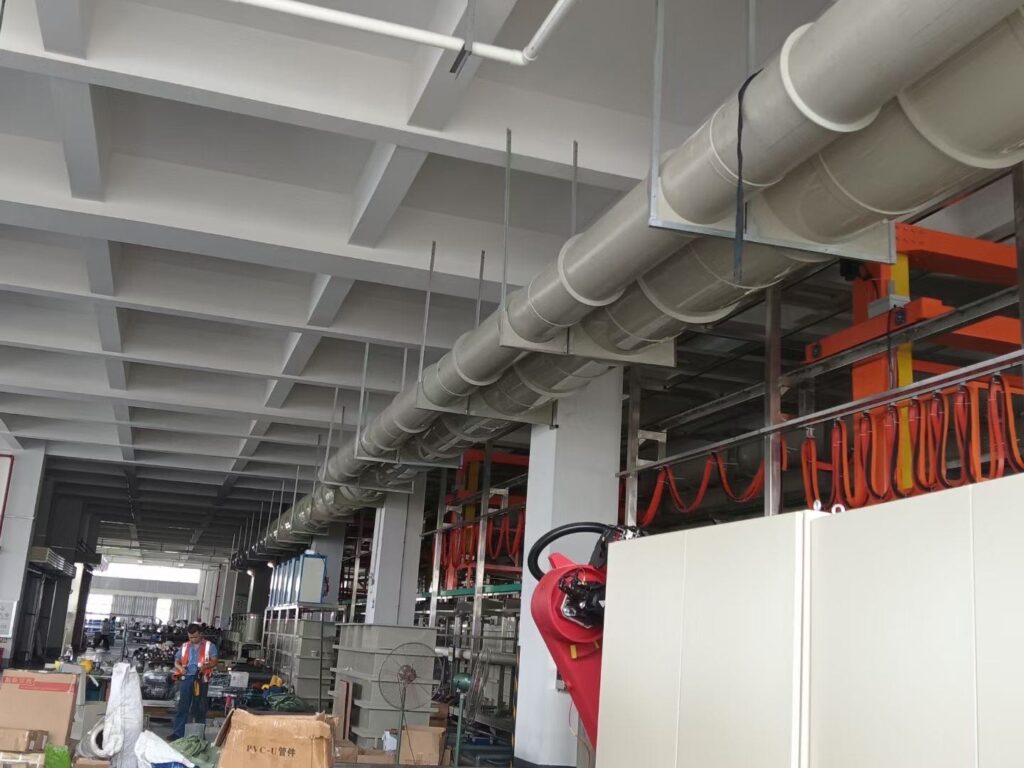
Air damper leakage standards exist because uncontrolled airflow through closed or partially closed dampers creates measurable operational, financial, and safety consequences. In industrial exhaust systems handling corrosive gases such as hydrogen chloride, sulfur dioxide, or volatile organic compounds, a leaking isolation damper can allow hazardous fumes to migrate into occupied work zones, triggering regulatory violations and endangering personnel. In commercial HVAC applications, leaking dampers in outdoor air economizer systems allow conditioned air to escape continuously, increasing energy consumption by 10 to 30 percent according to industry field studies. Without standardized air damper leakage classifications, engineers have no reliable basis for comparing products, specifying acceptable performance, or verifying compliance after installation. The standards framework provides uniform test conditions, defined leakage classes, and repeatable measurement protocols that enable apples-to-apples product comparison and ensure that specified damper performance is achieved in the field, not merely claimed on a datasheet.
Overview of Key Standards: AMCA, EN 1751, and ASHRAE 90.1 – Scope and Application
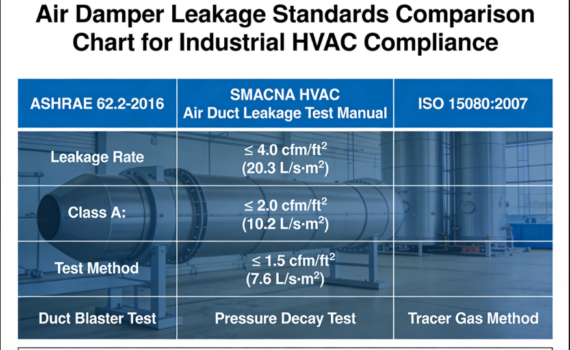
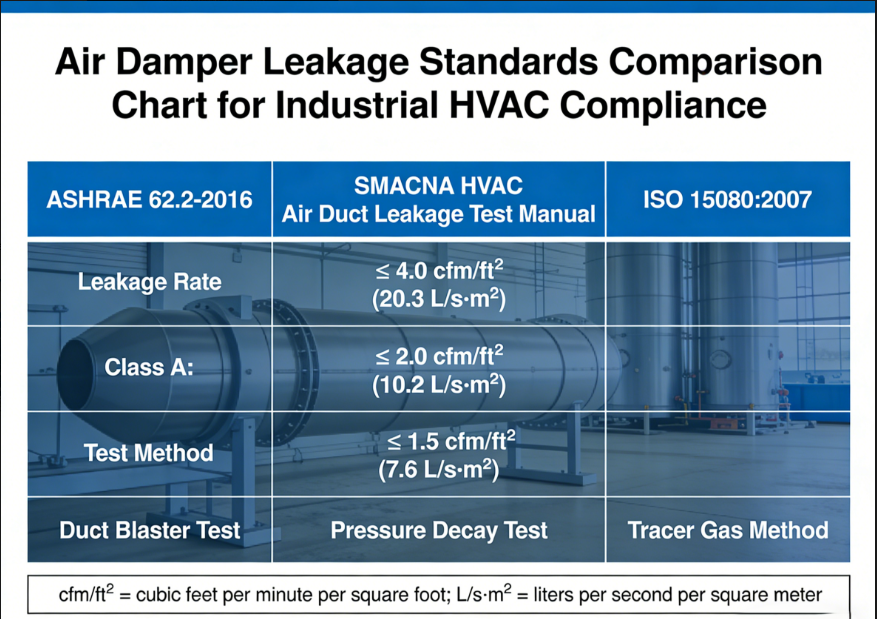
Three dominant air damper leakage standards govern the global market, each serving a distinct regulatory and geographic scope. AMCA Standard 500-D, published by the Air Movement and Control Association International, defines laboratory test procedures for determining damper leakage rates under controlled pressure differentials and is the primary reference for North American damper manufacturers and specifiers. EN 1751, the European standard for ventilation duct components, establishes leakage classification and test methods applicable across the European Union and adopted by many international markets outside North America. ASHRAE Standard 90.1, the Energy Standard for Buildings Except Low-Rise Residential Buildings, does not prescribe damper test methods but instead defines maximum allowable leakage rates for specific damper applications within building energy codes, creating compliance obligations that reference AMCA or equivalent test data. Together, these three air damper leakage standards form an interconnected framework: AMCA and EN 1751 define how to measure leakage, while ASHRAE 90.1 defines what leakage levels are acceptable for energy code compliance in building systems.
How Leakage Standards Impact Energy Efficiency, Safety, and Global Compliance Requirements
The practical impact of air damper leakage standards operates across three interconnected domains. Energy efficiency is the most quantifiable—ASHRAE 90.1 specifies maximum leakage rates for fire dampers, smoke dampers, and outdoor air dampers precisely because research demonstrates that poorly sealed dampers are among the largest contributors to uncontrolled air leakage in commercial buildings. Safety is the second domain, particularly in industrial settings where dampers isolate toxic, flammable, or explosive gas streams. Here, air damper leakage standards provide the performance benchmarks that determine whether a damper can safely contain hazardous atmospheres during maintenance shutdowns or emergency isolation events. The third domain is global market access—manufacturers seeking to supply dampers internationally must demonstrate compliance with regional air damper leakage standards, requiring independent laboratory testing and certification from recognized bodies. Projects governed by European procurement rules demand EN 1751 classification, North American specifications reference AMCA ratings, and any building pursuing code compliance in the United States must address ASHRAE 90.1 leakage limits. Failure to meet applicable air damper leakage standards can result in project delays, rejected equipment, and liability exposure.
In-Depth Analysis of Key Air Damper Leakage Test Standards and Methods
AMCA Standard 500-D: Laboratory Test Procedure for Air Damper Leakage Ratings
AMCA Standard 500-D establishes the definitive laboratory protocol for measuring air damper leakage rates in North America. The standard requires testing at specific static pressure differentials—typically 1 inch w.g. (250 Pa) and 4 inches w.g. (1000 Pa)—with the damper in its fully closed position and all external actuators and linkages installed as they would be in service. Leakage is measured in cubic feet per minute per square foot of damper face area (CFM/ft²) and classified into defined leakage classes, with Class I representing the lowest leakage and Class IV the highest allowable for commercial applications. The test procedure mandates that the damper be installed in a sealed test chamber with calibrated airflow measurement instrumentation, ensuring that results reflect only leakage through the damper assembly itself and not through the test apparatus. AMCA 500-D also requires that manufacturers publish both the leakage class and the specific test pressure at which it was determined, because leakage rates increase non-linearly with pressure differential. This transparency requirement is what makes AMCA-rated air damper leakage data reliable for engineering calculations and specification compliance.
EN 1751: European Standard for Ventilation Ducts – Leakage Classification and Test Methods
EN 1751 serves as the European counterpart to AMCA 500-D, establishing leakage classes and test methods for dampers, valves, and other airflow control devices within ventilation duct systems. The standard defines leakage classifications A through D for low-pressure applications (up to 500 Pa) and additional classifications for medium and high-pressure systems up to 2500 Pa. EN 1751 leakage rates are expressed in liters per second per square meter (L/s/m²) of damper area at specified test pressures, with Class A representing tightest sealing and Class D the most permissive. The test methodology shares fundamental principles with AMCA 500-D—sealed test chamber, calibrated measurement, damper fully closed—but differs in pressure points, leakage rate units, and classification boundaries. EN 1751 also addresses leakage through the damper frame and wall penetration, providing a more comprehensive assessment of installed performance than damper-blade leakage alone. For projects specified under European standards or international contracts referencing EN 1751, manufacturers must provide certified test reports from accredited European laboratories demonstrating compliance with the specified air damper leakage class.
ASHRAE 90.1: Energy Standard for Buildings – Leakage Limits and Compliance Pathways for Air Dampers
ASHRAE 90.1 takes a different approach from the test-focused AMCA and EN 1751 standards by defining prescriptive maximum leakage rates for specific damper applications within building energy codes. Section 6.4.3.4 of the standard requires that outdoor air dampers in economizer systems not exceed 20 CFM/ft² at 1 inch w.g. when fully closed, and that motorized dampers in other applications meet similarly defined limits. Fire and smoke dampers must comply with their own referenced standards (UL 555 and UL 555S respectively) while also meeting the energy performance intent of ASHRAE 90.1. The standard provides two compliance pathways: prescriptive, where specific component performance requirements must be met, and performance, where whole-building energy modeling demonstrates equivalent or better efficiency. For damper specification, the prescriptive path requires documented air damper leakage test data demonstrating compliance with stated limits. ASHRAE 90.1 is adopted by reference into most U.S. state and local building codes, making its air damper leakage requirements legally enforceable rather than merely advisory. International projects seeking LEED certification or other green building ratings also reference ASHRAE 90.1 performance thresholds as benchmarks for energy-efficient damper selection.
Selecting, Testing, and Implementing Compliant Air Dampers for Industrial Applications
How to Choose Air Dampers Meeting AMCA, EN, or ASHRAE Standards for Your Specific Application
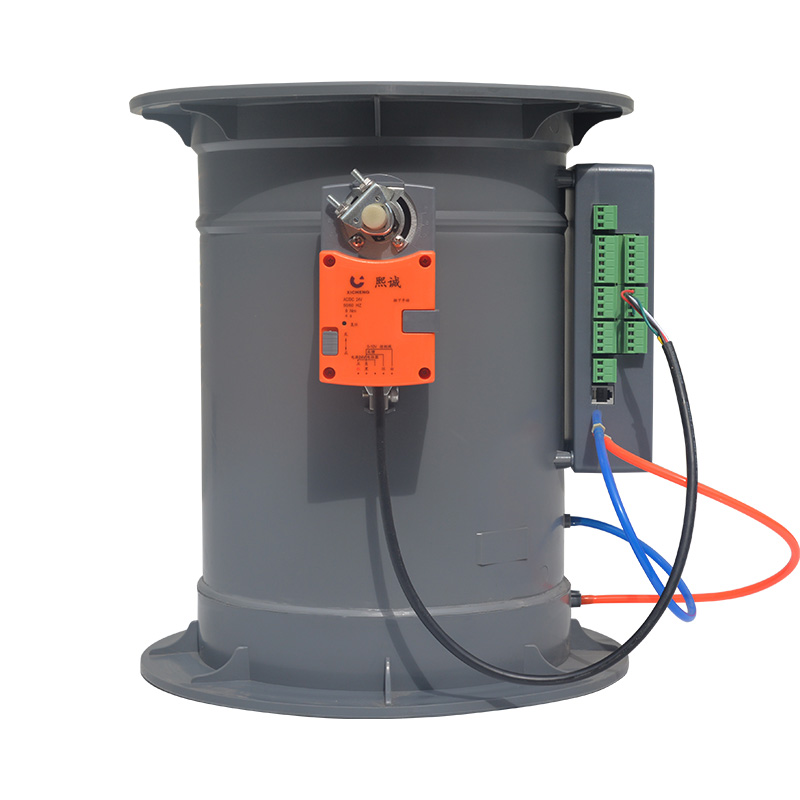
Selecting compliant air dampers requires matching the applicable standard to the project’s regulatory jurisdiction, system function, and operating conditions. For North American commercial HVAC projects, specify AMCA 500-D rated dampers with leakage classes appropriate to the application—Class I for critical isolation, Class II for general outdoor air control, and Class III or IV only where leakage tolerance is high. Verify that published leakage data corresponds to the actual operating pressure differential, not a lower test pressure that understates real-world leakage. For European or international projects, require EN 1751 classification certificates from accredited test laboratories, matching the leakage class to the duct system’s operating pressure class. In all cases, cross-reference against ASHRAE 90.1 prescriptive limits if the project falls under U.S. energy codes. Beyond leakage class, consider actuator torque requirements—insufficient closing torque is the most common cause of field-measured leakage exceeding laboratory ratings—and ensure the selected damper blade and seal materials are compatible with the conveyed airstream’s temperature, humidity, and chemical composition. Requesting third-party certified air damper leakage test reports rather than relying solely on manufacturer-published data provides the highest assurance of compliant performance.
Industrial Case Study: Applying Leakage Standards to Corrosive Gas Handling Systems
A chemical processing facility in Southeast Asia required isolation dampers for a multi-stage exhaust gas treatment system handling hydrogen chloride and chlorine dioxide at temperatures up to 200°C. The engineering specification demanded EN 1751 Class A leakage performance at 1500 Pa operating pressure, combined with full corrosion resistance from damper materials and seals. Standard galvanized steel dampers with elastomer seals were eliminated during evaluation because elastomer gaskets degrade rapidly in halogenated gas service, leading to leakage escalation within 6 to 12 months. The selected solution incorporated dampers constructed from Hastelloy C-276 blades with PTFE-based flexible seals rated for continuous chemical exposure. Independent testing per EN 1751 confirmed Class A leakage at the specified pressure, and post-installation commissioning tests verified field performance within 5 percent of laboratory values. The project demonstrates that achieving air damper leakage standard compliance in aggressive industrial environments requires integrated attention to materials science, seal technology, and test methodology—not merely selecting a damper with a favorable datasheet leakage number.
Installation, Testing, and Certification Best Practices to Ensure Long-Term Compliance with Leakage Standards
Even dampers that meet air damper leakage standards in the laboratory can fail to deliver compliant performance if installed incorrectly. Best practices begin with ensuring the duct opening matches the damper frame dimensions precisely—gaps between the frame and ductwork create bypass leakage paths that no damper blade seal can compensate for. Seal all frame-to-duct connections with high-temperature mastic or gasket material appropriate to the system conditions. Verify actuator stroke adjustment so the damper achieves full closed position without over-travel, which damages seals and increases long-term leakage. After installation, conduct field leakage testing using calibrated airflow measurement equipment at the system’s design operating pressure, comparing results against the specified air damper leakage class. Document all test results, actuator settings, and seal inspections in a commissioning report that becomes part of the facility’s permanent maintenance record. Schedule periodic re-inspection—annually for critical isolation dampers and every three to five years for general service dampers—to detect seal degradation, corrosion, or mechanical wear before leakage exceeds acceptable limits. By treating air damper leakage compliance as a lifecycle management requirement rather than a one-time procurement checkbox, facility operators sustain system performance, energy efficiency, and regulatory compliance throughout the damper’s operational life.
Air Damper Leakage Standards Comparison
| Parameter | AMCA 500-D | EN 1751 | ASHRAE 90.1 |
|---|---|---|---|
| Region | North America | Europe / International | U.S. Building Codes |
| Scope | Laboratory test method | Classification & test method | Prescriptive leakage limits |
| Pressure Range | 1–4 in. w.g. (250–1000 Pa) | Up to 2500 Pa | 1 in. w.g. (250 Pa) typical |
| Leakage Units | CFM/ft² | L/s/m² | CFM/ft² |
| Classification | Class I–IV | Class A–D | Application-specific limits |
| Certification Body | AMCA International | National accreditation labs | Adopted via building codes |
| Primary Application | Product rating & specification | Product rating & specification | Building energy compliance |
Sources: AMCA Standards, EN 1751 Overview, ASHRAE 90.1, USGBC LEED.
For industrial dampers certified to AMCA, EN 1751, and ASHRAE 90.1 standards—including high-temperature, corrosion-resistant, and custom-fabricated models for exhaust gas treatment and HVAC applications—explore our complete product catalog.