
HVAC Damper Valve Problems: Troubleshooting Guide to Fix Common Issues
Category : Blog
The HVAC damper valve is the core regulatory component of any residential, commercial, or industrial ventilation system.
It controls airflow across critical setups, from laboratory exhaust systems to factory waste gas treatment lines.
A faulty HVAC damper valve can lead to uneven temperatures, excessive energy costs, reduced exhaust efficiency, and even safety hazards in corrosive or explosive environments.
This guide walks you through systematic diagnostics, root cause identification, and actionable fixes for the most common HVAC damper valve issues, with specialized insights for industrial ventilation applications.
Initial Quick Diagnostics for Damper Valve Issues
First Check: Basic Settings, Power & Thermostat Configuration
Nearly 20% of reported HVAC damper valve issues stem from incorrect settings rather than mechanical failure, per industry standards from the American Society of Heating, Refrigerating and Air-Conditioning Engineers (ASHRAE) .
This makes this check the critical first step for any malfunctioning HVAC damper valve.
For zoned systems, first check that your thermostat is set to the correct zone mode. Set a target temperature that is far enough from the room temperature. This should trigger the dampers to open or close.
For electric dampers, inspect the circuit breaker, fuse, and power supply to the actuator, ensuring no loose wiring or tripped breakers are interrupting operation.
For industrial systems, confirm the control system sends the correct open and close signals. This is vital for automated VAV dampers in lab and factory exhaust systems.
Test Damper Operation to Confirm the Root Malfunction
Once basic settings and power are verified, test the physical operation of your HVAC damper valve to confirm a malfunction.
For electric dampers, switch the thermostat to manual control and cycle between open and closed commands, listening for the faint click of the actuator engaging.
For manual dampers, locate the handle on the ductwork and adjust it to fully open and closed positions, noting any resistance.
For industrial HVAC damper valve installations, use an anemometer to measure airflow in the duct before and after adjustment.
This confirms whether the damper is effectively modifying airflow as intended, and helps distinguish between electrical failures, mechanical jams, and system calibration issues.
Inspect for Visible/Audible Signs of Damper Failure
After operational testing, conduct a visual and auditory inspection to identify clear signs of HVAC damper valve damage.
Look for corrosion, warped damper blades, worn seals, loose mounting hardware, or debris buildup inside the duct.
For industrial environments with corrosive exhaust gases, metal dampers often show early signs of rust and degradation.
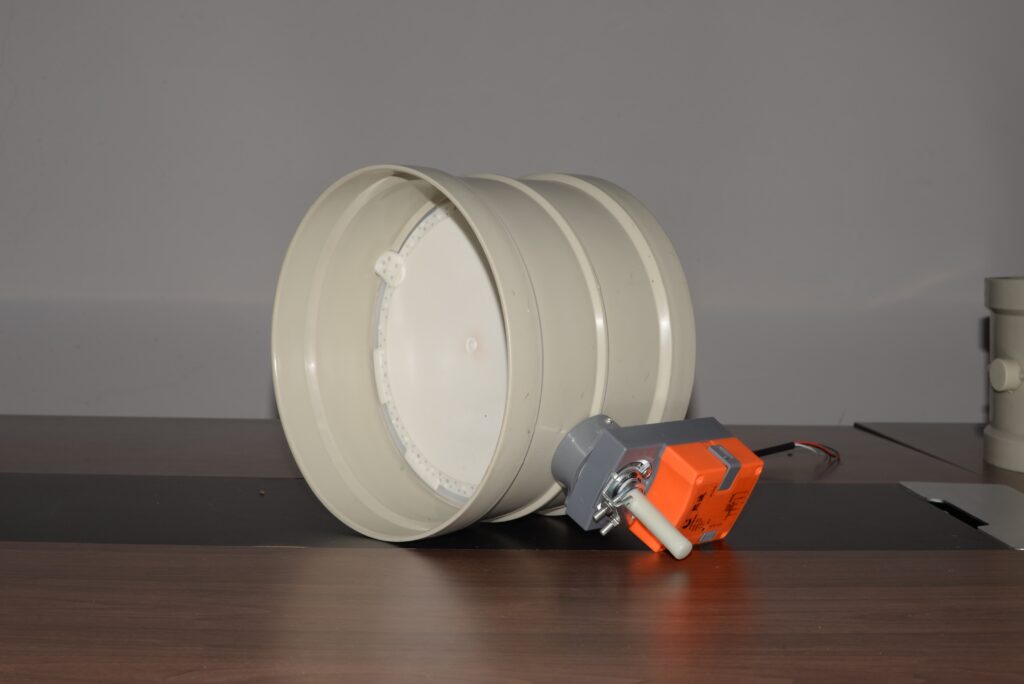
Polypropylene (PP) manual dampers offer superior acid and alkali resistance for these harsh applications .
Listen for unusual sounds during operation: a high-pitched squeal indicates bearing friction, a buzzing sound points to actuator power issues, and rattling suggests loose damper blades or hardware.
Common Damper Valve Problems & Root Causes
Stuck/Unresponsive Dampers: Most Common Failure Causes
Understanding the most frequent failures and their underlying causes is key to resolving HVAC damper valve issues quickly and preventing repeat problems.
The table below outlines the top HVAC damper valve issues, their primary root causes, and industry-reported occurrence rates:
表格
| Common Damper Issue | Primary Root Cause | Industry Occurrence Rate |
|---|---|---|
| Stuck/Unresponsive Damper | Debris Buildup & Corrosion | 45% |
| Airflow Imbalance & Uneven Temperatures | Misaligned Damper Blades | 30% |
| Noisy Operation & Actuator Failures | Worn Actuator Gears & Loose Components | 25% |
Stuck or unresponsive dampers are the most prevalent HVAC damper valve issue, accounting for nearly half of all reported failures.
For manual dampers, the primary causes are accumulated dust, dirt, or chemical residue in the duct, and rust or corrosion on the blade pivot points.
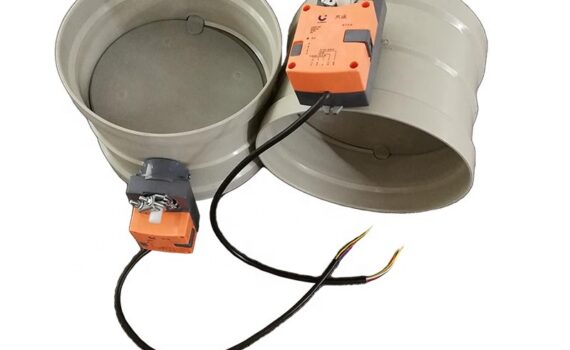
For electric dampers, actuator motor burnout, broken gear trains, or lost signal connectivity are common electrical causes.
In industrial waste gas treatment systems, corrosive fumes accelerate metal damper degradation, leading to frequent jams.
Upgrading to a chemically resistant PP electric HVAC damper valve can eliminate corrosion-related failures in these harsh environments .
Airflow Imbalance & Uneven Zoned Temperature Issues
Airflow imbalance, which causes uneven heating or cooling across zoned spaces, is the second most common HVAC damper valve issue.
It is often misdiagnosed as a furnace or AC failure, rather than a problem with your damper setup.
The root cause is almost always misaligned damper blades that are stuck partially open or closed, incorrect damper sizing for the ductwork, or air leaks in the duct system.
ASHRAE research shows that uncalibrated dampers can increase a building’s energy consumption by up to 30%.
In industrial exhaust systems, poor airflow balance reduces waste gas capture efficiency, risking non-compliance with environmental safety standards.
This issue is often exacerbated in systems where the HVAC damper valve has not been recalibrated after duct modifications or system upgrades.
Noisy Operation & Damper Actuator Malfunctions
Unusual noise during operation is almost always a warning sign of impending HVAC damper valve failure or mechanical wear.
A persistent buzzing sound from the actuator indicates an underpowered or overheating motor, often caused by voltage fluctuations or a damper that is stuck closed, forcing the motor to work overtime.
Squealing or grinding noises come from dry or worn pivot bearings, while rattling is caused by loose damper blades, mounting hardware, or worn seals.
For industrial systems running 24/7, low-quality actuators are the leading cause of premature damper failure.
Self-developed, high-efficiency VAV air flow control dampers like those offered by XICHENG EP LTD deliver reliable, low-energy operation with minimal noise .

Step-by-Step Fixes & Long-Term Prevention
DIY Quick Fixes for Minor, Easy-to-Resolve Damper Issues
Once you’ve identified the root cause of your HVAC damper valve issue, use these actionable fixes to resolve the problem, plus preventive maintenance steps to avoid future failures.
Many minor HVAC damper valve issues can be resolved with simple DIY fixes, no professional tools required.
For stuck manual dampers, clear away any debris or buildup from the blade and pivot points, then apply a silicone-based lubricant to the bearings to restore smooth movement.
For misaligned dampers, adjust the blade stop to ensure it fully opens and closes, then secure the handle in the correct position.
For loose hardware, tighten all mounting bolts and actuator screws to eliminate rattling.
For electric dampers with tripped breakers, reset the circuit and inspect for frayed wiring that could cause a repeat trip.
Note that these fixes are only for minor issues; complex electrical or industrial system repairs require professional support.
When to Call an HVAC Professional for Complex Repairs
While DIY fixes work for minor HVAC damper valve issues, there are critical scenarios where hiring a licensed HVAC professional is required to avoid safety risks or further damage.
Call a professional if your HVAC damper valve’s electric actuator has completely failed and needs replacement.
You should also seek professional help if the damper blades are severely warped or corroded and need full replacement, or if you need to recalibrate a complex zoned VAV system to meet ASHRAE performance standards.
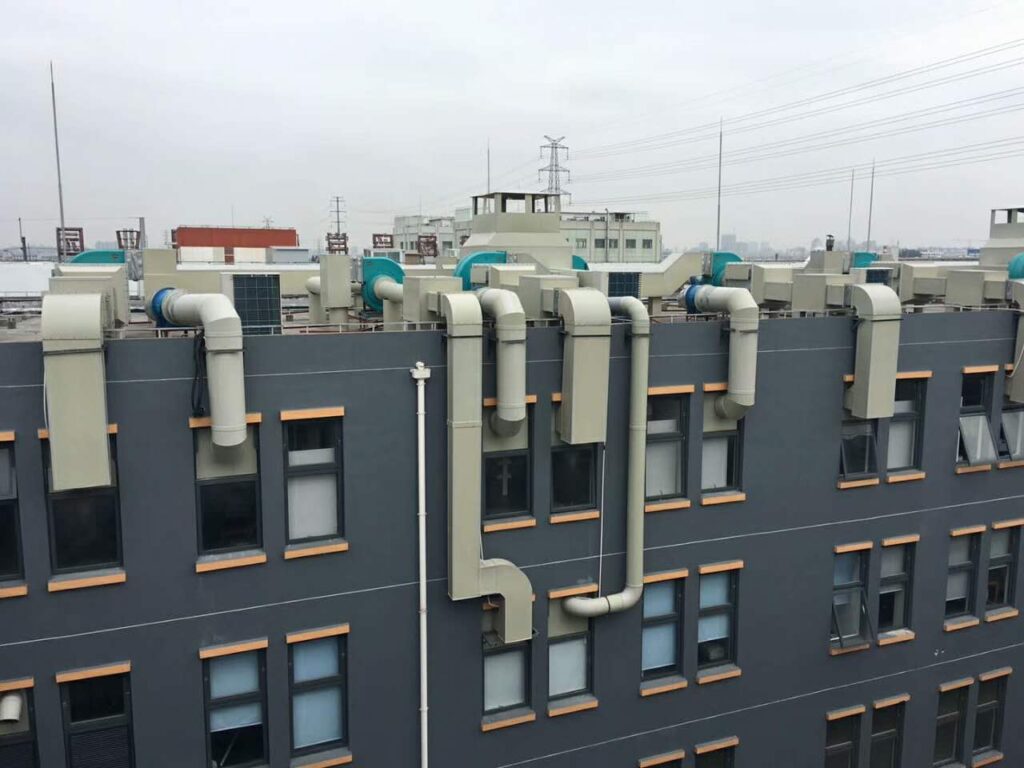
For industrial exhaust systems, especially those handling corrosive or explosive gases, professional installation and repairs are required to comply with Occupational Safety and Health Administration (OSHA) ventilation safety standards and local environmental regulations.
Preventive Maintenance to Avoid Future Damper Problems
The best way to avoid costly HVAC damper valve repairs is with consistent preventive maintenance.
For residential and commercial systems, conduct a visual inspection every quarter, clearing away debris, lubricating pivot points, and tightening loose hardware.
For industrial systems operating in harsh environments, perform monthly inspections to check for corrosion or chemical damage.
Opt for custom-sized corrosion-resistant PP/PVC dampers to extend your HVAC damper valve’s service life .
Annually, have a professional calibrate your dampers, inspect the actuator’s electrical components, and replace worn seals to maintain optimal performance.
High-quality, well-maintained dampers can last up to 50 years, delivering reliable airflow control and reduced energy costs over their lifespan.
A properly functioning HVAC damper valve is essential for efficient, safe, and reliable ventilation, whether in a home, commercial building, or industrial waste gas treatment facility.
By following this troubleshooting guide, you can quickly diagnose and resolve common HVAC damper valve issues.
Regular preventive maintenance will extend the life of your damper and reduce long-term operating costs.
For industrial applications in corrosive environments, investing in high-quality, chemically resistant dampers is the most effective way to minimize downtime and ensure compliance with global safety and environmental standards.