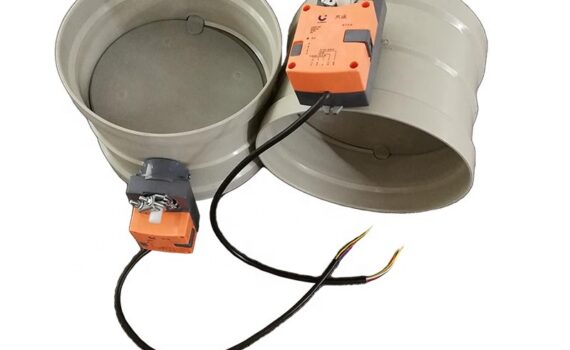
HVAC Damper Valve Problems: Troubleshooting Guide to Fix Common Issues

Ultimate 7-step HVAC damper valve installation guide for code-compliant industrial ventilation systems

HVAC Damper Valve Problems: Troubleshooting Guide to Fix Common Issues

The HVAC damper valve is the core regulatory component of any residential, commercial, or industrial ventilation system.

It controls airflow across critical setups, from laboratory exhaust systems to factory waste gas treatment lines.

A faulty HVAC damper valve can lead to uneven temperatures, excessive energy costs, reduced exhaust efficiency, and even safety hazards in corrosive or explosive environments.

This guide walks you through systematic diagnostics, root cause identification, and actionable fixes for the most common HVAC damper valve issues, with specialized insights for industrial ventilation applications.
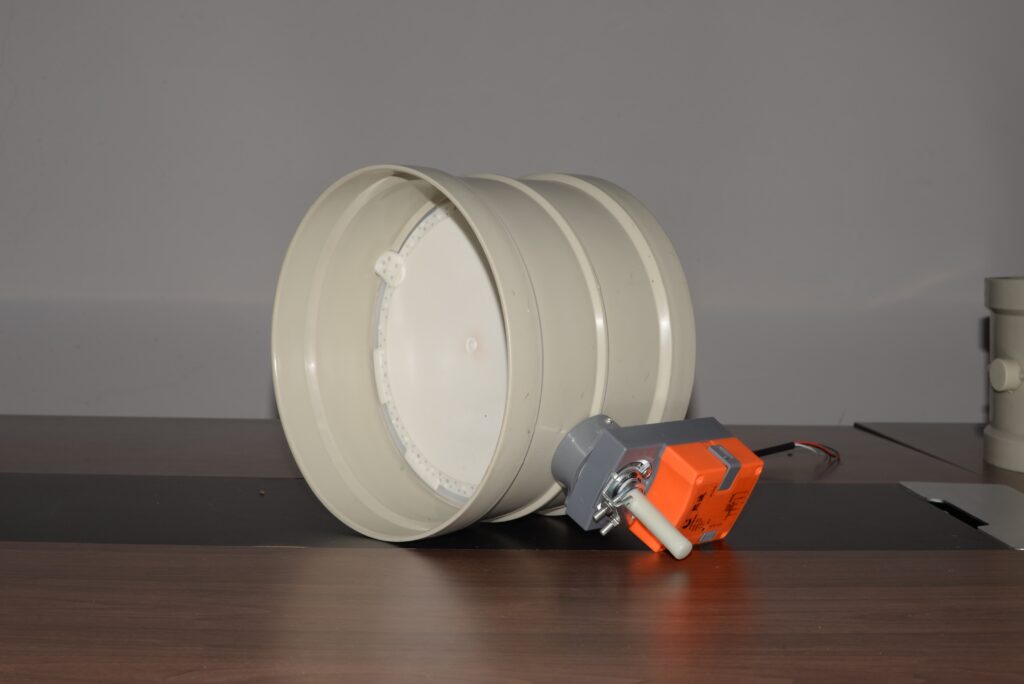
HVAC damper valve troubleshooting guide, corrosion-resistant PP HVAC damper valve, electric damper actuator inspection

Initial Quick Diagnostics for Damper Valve Issues

First Check: Basic Settings, Power & Thermostat Configuration

Nearly 20% of reported HVAC damper valve issues stem from incorrect settings rather than mechanical failure, per industry standards from the American Society of Heating, Refrigerating and Air-Conditioning Engineers (ASHRAE) .

This makes this check the critical first step for any malfunctioning HVAC damper valve.

For zoned systems, first check that your thermostat is set to the correct zone mode. Set a target temperature that is far enough from the room temperature. This should trigger the dampers to open or close.

For electric dampers, inspect the circuit breaker, fuse, and power supply to the actuator, ensuring no loose wiring or tripped breakers are interrupting operation.

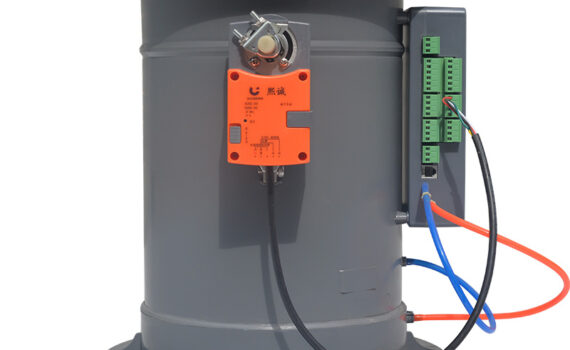
For industrial systems, confirm the control system sends the correct open and close signals. This is vital for automated VAV dampers in lab and factory exhaust systems.

Test Damper Operation to Confirm the Root Malfunction

Once basic settings and power are verified, test the physical operation of your HVAC damper valve to confirm a malfunction.

For electric dampers, switch the thermostat to manual control and cycle between open and closed commands, listening for the faint click of the actuator engaging.

For manual dampers, locate the handle on the ductwork and adjust it to fully open and closed positions, noting any resistance.

For industrial HVAC damper valve installations, use an anemometer to measure airflow in the duct before and after adjustment.

This confirms whether the damper is effectively modifying airflow as intended, and helps distinguish between electrical failures, mechanical jams, and system calibration issues.

Inspect for Visible/Audible Signs of Damper Failure

After operational testing, conduct a visual and auditory inspection to identify clear signs of HVAC damper valve damage.

Look for corrosion, warped damper blades, worn seals, loose mounting hardware, or debris buildup inside the duct.

For industrial environments with corrosive exhaust gases, metal dampers often show early signs of rust and degradation.

Polypropylene (PP) manual dampers offer superior acid and alkali resistance for these harsh applications .

Listen for unusual sounds during operation: a high-pitched squeal indicates bearing friction, a buzzing sound points to actuator power issues, and rattling suggests loose damper blades or hardware.

Common Damper Valve Problems & Root Causes

Stuck/Unresponsive Dampers: Most Common Failure Causes

Understanding the most frequent failures and their underlying causes is key to resolving HVAC damper valve issues quickly and preventing repeat problems.

The table below outlines the top HVAC damper valve issues, their primary root causes, and industry-reported occurrence rates:

表格

Common Damper IssuePrimary Root CauseIndustry Occurrence Rate
Stuck/Unresponsive DamperDebris Buildup & Corrosion45%
Airflow Imbalance & Uneven TemperaturesMisaligned Damper Blades30%
Noisy Operation & Actuator FailuresWorn Actuator Gears & Loose Components25%

Stuck or unresponsive dampers are the most prevalent HVAC damper valve issue, accounting for nearly half of all reported failures.

For manual dampers, the primary causes are accumulated dust, dirt, or chemical residue in the duct, and rust or corrosion on the blade pivot points.

For electric dampers, actuator motor burnout, broken gear trains, or lost signal connectivity are common electrical causes.

In industrial waste gas treatment systems, corrosive fumes accelerate metal damper degradation, leading to frequent jams.

Upgrading to a chemically resistant PP electric HVAC damper valve can eliminate corrosion-related failures in these harsh environments .

Airflow Imbalance & Uneven Zoned Temperature Issues

Airflow imbalance, which causes uneven heating or cooling across zoned spaces, is the second most common HVAC damper valve issue.

It is often misdiagnosed as a furnace or AC failure, rather than a problem with your damper setup.

The root cause is almost always misaligned damper blades that are stuck partially open or closed, incorrect damper sizing for the ductwork, or air leaks in the duct system.

ASHRAE research shows that uncalibrated dampers can increase a building’s energy consumption by up to 30%.

In industrial exhaust systems, poor airflow balance reduces waste gas capture efficiency, risking non-compliance with environmental safety standards.

This issue is often exacerbated in systems where the HVAC damper valve has not been recalibrated after duct modifications or system upgrades.

Noisy Operation & Damper Actuator Malfunctions

Unusual noise during operation is almost always a warning sign of impending HVAC damper valve failure or mechanical wear.

A persistent buzzing sound from the actuator indicates an underpowered or overheating motor, often caused by voltage fluctuations or a damper that is stuck closed, forcing the motor to work overtime.

Squealing or grinding noises come from dry or worn pivot bearings, while rattling is caused by loose damper blades, mounting hardware, or worn seals.

For industrial systems running 24/7, low-quality actuators are the leading cause of premature damper failure.

Self-developed, high-efficiency VAV air flow control dampers like those offered by XICHENG EP LTD deliver reliable, low-energy operation with minimal noise .

Air Damper Valve Types Including Butterfly, Louver, Guillotine, Diverter, and Disc Valves

Step-by-Step Fixes & Long-Term Prevention

DIY Quick Fixes for Minor, Easy-to-Resolve Damper Issues

Once you’ve identified the root cause of your HVAC damper valve issue, use these actionable fixes to resolve the problem, plus preventive maintenance steps to avoid future failures.

Many minor HVAC damper valve issues can be resolved with simple DIY fixes, no professional tools required.

For stuck manual dampers, clear away any debris or buildup from the blade and pivot points, then apply a silicone-based lubricant to the bearings to restore smooth movement.

For misaligned dampers, adjust the blade stop to ensure it fully opens and closes, then secure the handle in the correct position.

For loose hardware, tighten all mounting bolts and actuator screws to eliminate rattling.

For electric dampers with tripped breakers, reset the circuit and inspect for frayed wiring that could cause a repeat trip.

Note that these fixes are only for minor issues; complex electrical or industrial system repairs require professional support.

When to Call an HVAC Professional for Complex Repairs

While DIY fixes work for minor HVAC damper valve issues, there are critical scenarios where hiring a licensed HVAC professional is required to avoid safety risks or further damage.

Call a professional if your HVAC damper valve’s electric actuator has completely failed and needs replacement.

You should also seek professional help if the damper blades are severely warped or corroded and need full replacement, or if you need to recalibrate a complex zoned VAV system to meet ASHRAE performance standards.

For industrial exhaust systems, especially those handling corrosive or explosive gases, professional installation and repairs are required to comply with Occupational Safety and Health Administration (OSHA) ventilation safety standards and local environmental regulations.
Preventive Maintenance to Avoid Future Damper Problems

The best way to avoid costly HVAC damper valve repairs is with consistent preventive maintenance.

For residential and commercial systems, conduct a visual inspection every quarter, clearing away debris, lubricating pivot points, and tightening loose hardware.

For industrial systems operating in harsh environments, perform monthly inspections to check for corrosion or chemical damage.

Opt for custom-sized corrosion-resistant PP/PVC dampers to extend your HVAC damper valve’s service life .

Annually, have a professional calibrate your dampers, inspect the actuator’s electrical components, and replace worn seals to maintain optimal performance.

High-quality, well-maintained dampers can last up to 50 years, delivering reliable airflow control and reduced energy costs over their lifespan.

A properly functioning HVAC damper valve is essential for efficient, safe, and reliable ventilation, whether in a home, commercial building, or industrial waste gas treatment facility.

By following this troubleshooting guide, you can quickly diagnose and resolve common HVAC damper valve issues.

Regular preventive maintenance will extend the life of your damper and reduce long-term operating costs.

For industrial applications in corrosive environments, investing in high-quality, chemically resistant dampers is the most effective way to minimize downtime and ensure compliance with global safety and environmental standards.
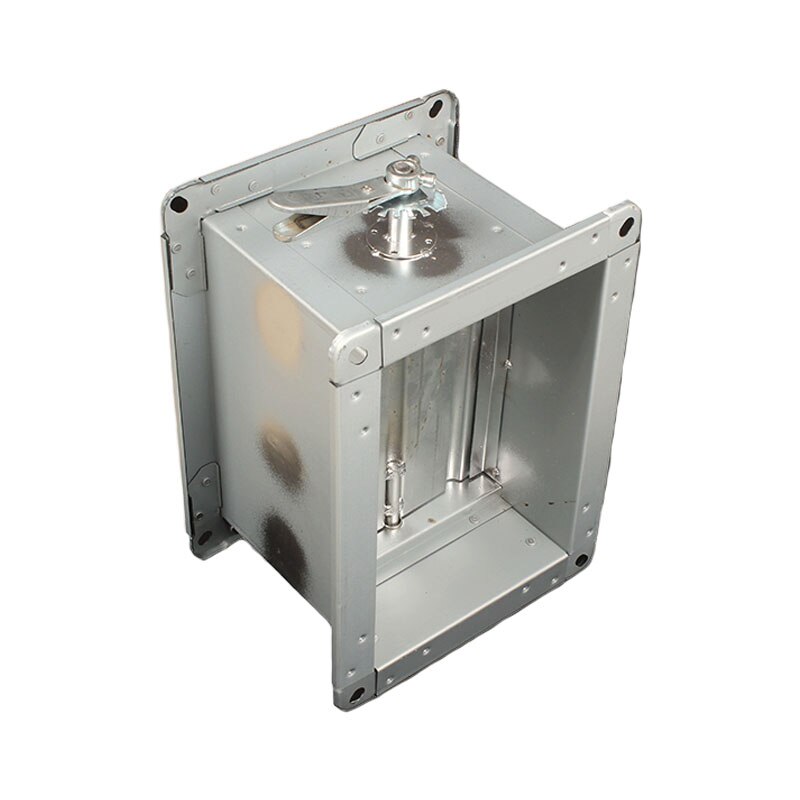
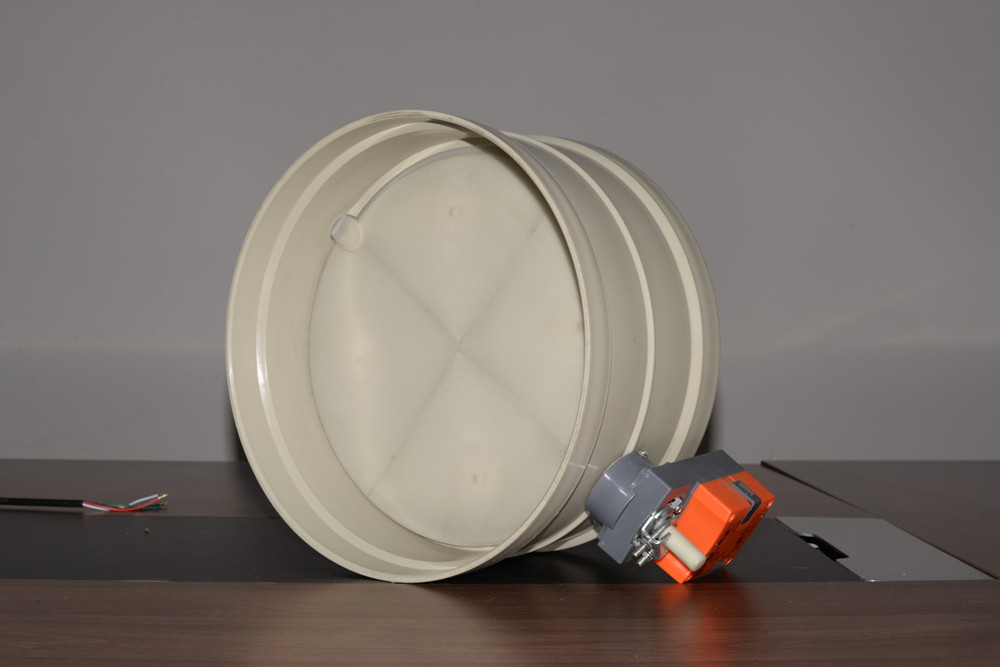
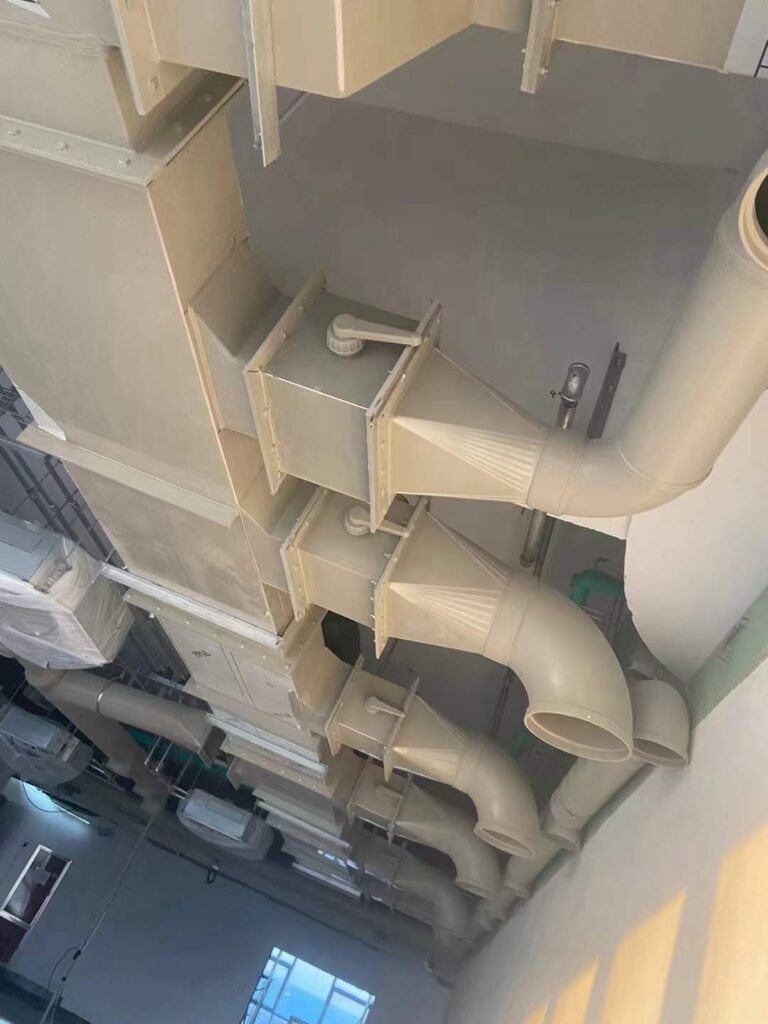
Industrial air damper valve installation in power plant FGD ductwork

HVAC Damper Valve Problems: Troubleshooting Guide to Fix Common Issues

HVAC damper valves are critical components that control airflow and temperature zones in heating and cooling systems. When these valves malfunction, they can cause uneven temperatures, reduced efficiency, and increased energy bills. According to the U.S. Department of Energy, properly functioning dampers can improve HVAC efficiency by up to 20%. This comprehensive troubleshooting guide covers initial diagnostics, common problems, and step-by-step fixes for HVAC damper valve issues.

Whether you’re a homeowner experiencing comfort problems or a facility manager maintaining commercial systems, understanding damper valve troubleshooting can save time and money. This guide provides practical solutions while emphasizing when to call professionals for complex repairs.

Troubleshooting Common HVAC Damper Valve Problems

Initial Quick Diagnostics for Damper Valve Issues

First Check: Basic Settings, Power & Thermostat Configuration

Before diving into complex diagnostics, verify basic system settings. Ensure your HVAC system is powered on and the thermostat is set correctly. Check that the thermostat is in “Auto” mode rather than “On” for proper damper operation. Verify that zone controls are enabled if you have a zoned system. Dead thermostat batteries can also cause damper valve malfunctions, so replace them if needed.

According to the Air Conditioning Contractors of America (ACCA), incorrect thermostat configuration accounts for nearly 30% of perceived damper problems. Always start with these simple checks before assuming mechanical failure. If you have a smart thermostat, ensure it’s properly connected to your HVAC system and that all zone settings are configured correctly.

Test Damper Operation to Confirm the Root Malfunction

Manually test each damper valve to confirm whether the issue is mechanical or electrical. Locate your zone dampers in the ductwork (typically near the air handler or in main trunk lines). Manually move the damper lever to see if it moves freely. If it’s stuck, this indicates a mechanical problem. For motorized dampers, use a multimeter to check for power at the actuator when the thermostat calls for heating or cooling.

Listen for the sound of the actuator motor when the system cycles. A humming sound without movement suggests a stuck damper, while no sound at all may indicate an electrical issue. Document which zones are affected and whether the problem is consistent or intermittent. This information will help determine if the issue is isolated to specific dampers or affects the entire system.

Inspect for Visible/Audible Signs of Damper Failure

Conduct a visual inspection of accessible dampers for physical damage, corrosion, or debris buildup. Check for loose connections, damaged linkages, or worn gears in manual dampers. For motorized dampers, inspect the actuator for signs of overheating, burning smells, or visible damage. Listen for unusual noises like grinding, squealing, or rattling that could indicate mechanical wear.

Use a flashlight to examine dampers in dark duct spaces. Look for signs of moisture damage, which can cause corrosion and sticking. If you notice excessive dust or debris around dampers, this could indicate poor filtration or duct leakage. Document all findings with photos if possible, as this helps professionals diagnose issues more quickly if you need to call for service.

Common Damper Valve Problems & Root Causes

Stuck/Unresponsive Dampers: Most Common Failure Causes

Stuck dampers are the most frequent HVAC damper valve problem, typically caused by debris accumulation, mechanical wear, or corrosion. In residential systems, dust and pet hair can jam damper blades, while in commercial settings, construction debris or pest infestations may be the culprit. Temperature extremes can also cause metal dampers to expand and bind in their tracks.

Mechanical wear occurs over time, especially in systems with frequent cycling. Gears, linkages, and bearings can wear out, preventing smooth operation. Corrosion from moisture or chemical exposure is another common cause, particularly in coastal areas or industrial environments. According to ASHRAE, proper damper selection and installation are critical for maintaining balanced airflow. Regular filter changes and annual inspections can prevent many of these issues.

Airflow Imbalance & Uneven Zoned Temperature Issues

Damper valve problems often manifest as uneven temperatures between zones. When dampers fail to open or close properly, some rooms receive too much conditioned air while others get too little. This imbalance forces the HVAC system to work harder, increasing energy consumption and reducing equipment lifespan.

The root causes include misaligned dampers, incorrect calibration, or faulty zone controls. In some cases, ductwork design issues compound damper problems. If you notice consistent temperature variations between rooms, damper valves should be among the first components inspected. For comprehensive indoor air quality management, the EPA recommends regular HVAC system inspections.

Noisy Operation & Damper Actuator Malfunctions

Unusual noises from dampers or ductwork often indicate mechanical problems. Clicking sounds may suggest a failing actuator motor, while rattling could indicate loose components. Whistling noises might indicate air leakage around damper seals or improper damper positioning.

Actuator malfunctions are common in motorized dampers. Causes include failed motors, damaged wiring, or control board issues. In some cases, the actuator may receive power but fail to move due to internal mechanical failure. Professional diagnosis is often needed for actuator replacement or repair, as these components are typically integrated with zone control systems.

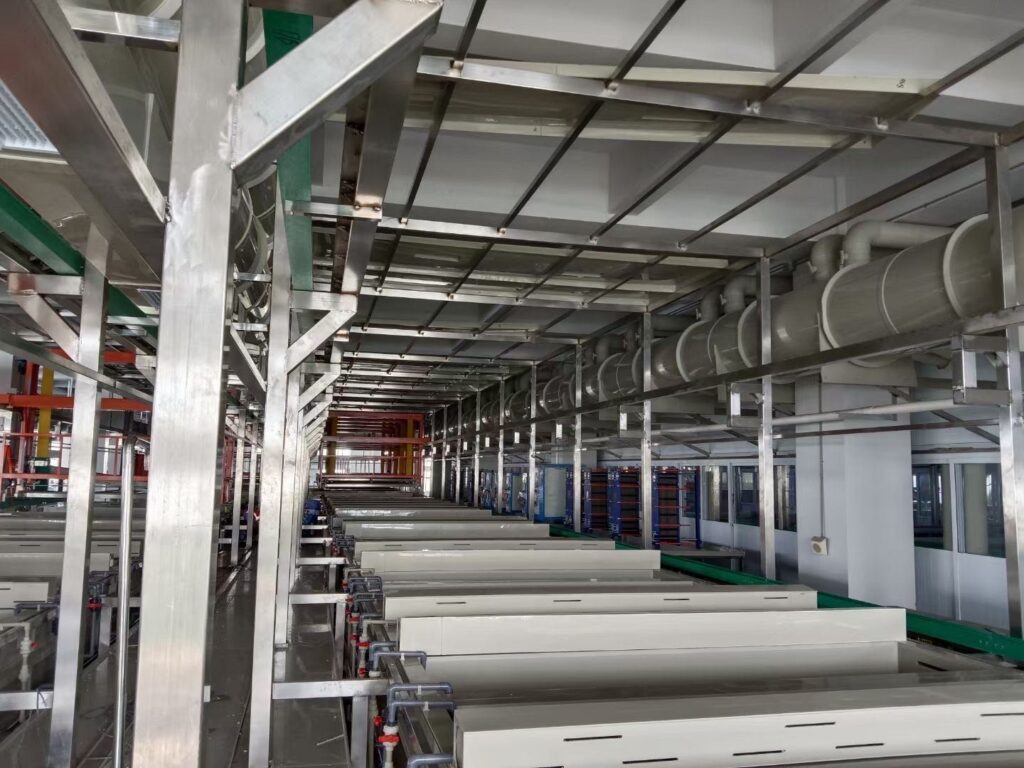
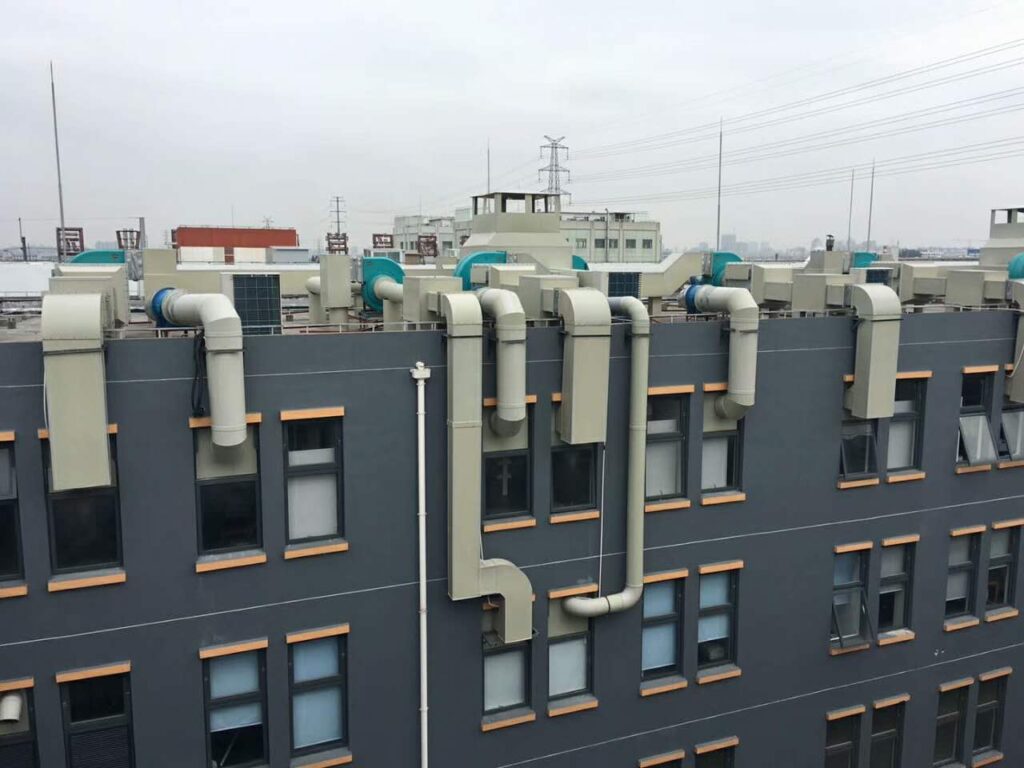
Ventilation duct layout of electroplating plant

Step-by-Step Fixes & Long-Term Prevention

DIY Quick Fixes for Minor, Easy-to-Resolve Damper Issues

For stuck manual dampers, try cleaning the blades and tracks with a vacuum and soft brush. Apply a light lubricant like silicone spray to moving parts (avoid oil-based lubricants that attract dust). For motorized dampers, check the actuator linkage for obstructions and ensure all electrical connections are secure.

Reset zone control systems by turning off power for 30 seconds, then restoring it. This can clear electronic glitches. For minor calibration issues, follow your system’s manual to adjust damper positions. Always turn off power before working on electrical components, and never force a stuck damper—this can cause further damage.

When to Call an HVAC Professional for Complex Repairs

Call a professional if you encounter electrical issues, extensive corrosion, or multiple dampers failing simultaneously. Complex repairs like actuator replacement, ductwork modifications, or zone control system troubleshooting require specialized tools and expertise. If your HVAC system is under warranty, professional service may be required to maintain coverage.

Signs that you need professional help include burning smells, repeated circuit breaker trips, or dampers that fail immediately after repair attempts. Commercial systems with building automation integration also typically require professional service due to their complexity.

Preventive Maintenance to Avoid Future Damper Problems

Schedule annual HVAC maintenance that includes damper inspection and calibration. Keep filters clean to prevent debris buildup, and ensure proper ventilation in mechanical rooms to reduce moisture and corrosion. For commercial buildings, consider preventive maintenance contracts that include regular damper testing and adjustment.

Educate building occupants about proper thermostat use and report temperature inconsistencies promptly. For systems in harsh environments, consider upgrading to corrosion-resistant dampers or actuators. Regular maintenance not only prevents damper problems but also improves overall system efficiency and extends equipment life. For professional damper valve solutions and components, visit https://ppairvalve.com/.


Troubleshooting Common HVAC Damper Valve Problems

HVAC Damper Valve Types: Complete Guide to Choosing the Right One for Your System

Every HVAC system relies on a network of ductwork to deliver conditioned air where it is needed, but without properly selected damper valves controlling that airflow, even the most efficient equipment cannot deliver consistent comfort, energy savings, or code compliance. HVAC damper valves regulate air volume, isolate zones, protect against fire and smoke spread, and enable economizer cycles that reduce energy consumption—yet many system designers and facility managers treat damper selection as an afterthought. The consequences of poor selection are significant: uneven temperatures across zones, excessive energy waste from uncontrolled air leakage, failed fire safety inspections, and premature equipment replacement costs that far exceed the savings from choosing the cheapest damper available. With dozens of damper types, actuation methods, and material options on the market, understanding the core distinctions between damper categories and matching them to specific system requirements is essential. Whether you are designing a new commercial HVAC installation, retrofitting an existing building, or managing ongoing facility operations, this guide provides a clear framework for evaluating HVAC damper valve types, understanding their functional differences, and making selection decisions that optimize system performance, safety compliance, and total cost of ownership over the equipment lifecycle.

HVAC damper valve

Core Basics of HVAC Damper Valves

What Is an HVAC Damper Valve? Core Function Overview

An HVAC damper valve is a mechanical device installed within ductwork that controls airflow by opening, closing, or modulating the passage area through which conditioned or exhaust air travels. At its most fundamental level, a damper consists of one or more blades mounted on a shaft within a frame, connected to an actuator that rotates or slides the blade(s) between open and closed positions. HVAC damper valves serve multiple system functions simultaneously: they regulate supply air volume to individual zones, balance airflow distribution across branch ducts, isolate sections of ductwork for maintenance or emergency purposes, and control outdoor air intake volumes in economizer and ventilation systems. The ASHRAE Handbook—HVAC Systems and Equipment classifies dampers by function, actuation method, and construction, recognizing that each application demands specific performance characteristics. A damper performing simple manual balancing in a residential branch duct has vastly different requirements than a motorized fire damper protecting a high-rise stairwell pressurization system. Understanding this functional diversity is the first step toward selecting the correct HVAC damper valve for any given application.

Why Proper Damper Selection Is Critical for HVAC Performance

Selecting the wrong HVAC damper valve creates cascading performance problems that compound over time. Undersized dampers generate excessive pressure drop, forcing fans to consume more energy while delivering less air to terminal zones. Oversized dampers lose modulation precision at low flow positions, creating control instability and occupant comfort complaints. Dampers with inadequate leakage ratings in economizer applications allow conditioned air to escape continuously, with ENERGY STAR research indicating that economizer damper leakage alone can increase cooling energy consumption by 10 to 25 percent in commercial buildings. In safety applications, the stakes are even higher—fire dampers that fail to close completely or smoke dampers with insufficient leakage ratings can allow flame and toxic gases to propagate through a building, violating fire codes and endangering occupants. The National Fire Protection Association (NFPA) mandates specific damper performance standards for life safety applications, and non-compliance can halt occupancy permits entirely. Proper HVAC damper valve selection is therefore not merely a technical optimization exercise—it is a direct determinant of energy efficiency, occupant safety, regulatory compliance, and long-term operational cost.

Key Factors That Impact Damper Valve Long-Term Reliability

Long-term reliability of HVAC damper valves depends on several interconnected factors that extend well beyond initial purchase price. Actuator quality is paramount—motorized actuators must deliver consistent torque over hundreds of thousands of cycles without drift or failure, and pneumatic actuators must maintain seal integrity under continuous pressure loading. Blade and shaft bearing design determines resistance to wear-induced play, which gradually increases leakage rates over the damper’s service life. Frame construction rigidity prevents warping under duct pressure loads and thermal cycling, maintaining blade-to-frame seal contact. Environmental exposure conditions—temperature extremes, humidity, chemical contaminants in the airstream, and vibration from adjacent equipment—all accelerate degradation of seals, bearings, and surface coatings. The U.S. Department of Energy emphasizes that HVAC component reliability directly correlates with maintenance accessibility, recommending that dampers be installed with sufficient clearance for inspection, lubrication, and actuator replacement without ductwork disassembly. Selecting HVAC damper valves from manufacturers with documented lifecycle testing data, rather than relying solely on catalog specifications, provides the most reliable predictor of long-term field performance.

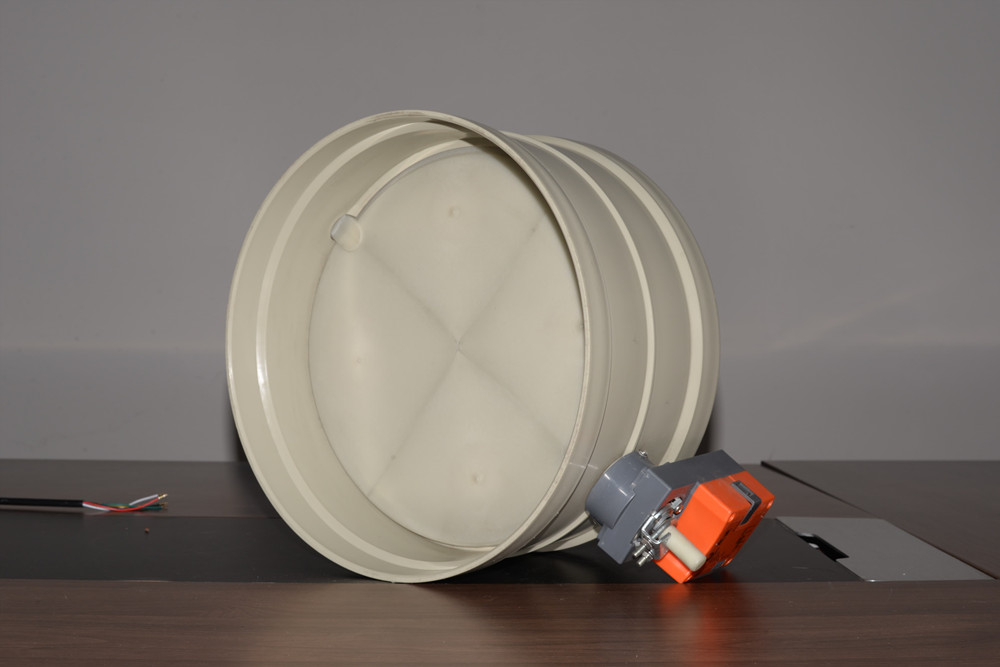
PP Air Valve

Common Types of HVAC Damper Valves Explained

Zone Control Dampers: Precision Airflow Regulation for Zoned Systems

Zone control dampers are motorized HVAC damper valves installed at branch duct takeoffs to regulate airflow delivery to individual temperature zones within a building. Each damper receives commands from a zone controller that modulates blade position based on thermostat demand, allowing a single air handler to serve multiple zones with independent temperature setpoints. These dampers are typically round or rectangular to match branch duct geometry and use low-torque actuators optimized for frequent modulation rather than full open-close cycling. Effective zone control dampers feature low-leakage blade seals—typically rated to AMCA Class I or II—to prevent unconditioned air from migrating into satisfied zones when the damper is closed. The Building Efficiency Research Division estimates that properly implemented zone control with quality HVAC damper valves can reduce HVAC energy consumption by 20 to 30 percent compared to single-zone systems, while simultaneously improving occupant comfort by eliminating hot and cold spots. For multi-zone commercial buildings, zone control dampers represent one of the highest-return investments in the entire HVAC system.

Fire & Smoke Dampers: Safety-Critical Solutions for Code Compliance

Fire dampers and smoke dampers are specialized HVAC damper valves designed to maintain the fire-resistance rating of walls, floors, and barriers where ductwork penetrates fire-rated assemblies. Fire dampers contain fusible links that melt at a predetermined temperature—typically 74°C or 165°C—triggering spring-loaded blade closure that seals the duct opening against flame and hot gas passage. Smoke dampers are actuated by smoke detection signals from the building fire alarm system and close to prevent smoke migration through ductwork before temperatures reach fire damper activation thresholds. Combination fire-smoke dampers integrate both functions into a single assembly, providing dual protection where codes require both capabilities. All fire and smoke dampers must be tested and listed to UL 555 (fire dampers) and UL 555S (smoke dampers) standards, and installed strictly in accordance with their listing requirements—including correct orientation, clearance to combustibles, and access provisions for inspection. These HVAC damper valves are non-negotiable life safety components, and their selection, installation, and maintenance must comply with NFPA 80, NFPA 105, and local adopted building codes without exception.

Manual vs. Automatic Dampers: Core Operational Differences

HVAC damper valves are broadly divided into manual and automatic categories based on their actuation method. Manual dampers use a lever, wing nut, or hand quadrant positioned outside the duct to set blade position, providing simple and cost-effective airflow balancing for applications where set-and-forget operation is acceptable—residential branch ducts, small commercial exhaust systems, and static pressure relief applications. Automatic dampers employ electric motor, pneumatic cylinder, or spring-return actuators that respond to control system signals, enabling dynamic airflow modulation in building automation systems, fire safety sequences, and demand-controlled ventilation. The selection between manual and automatic HVAC damper valves depends on whether the application requires remote control, automated response to safety signals, or integration with building management systems. Manual dampers offer zero energy consumption and minimal failure modes but cannot respond to changing conditions. Automatic dampers provide responsive control and system integration capabilities but require power supply, control wiring, and periodic actuator maintenance. In most commercial HVAC systems, a combination of both types is deployed—automatic dampers at major control points and manual dampers for fixed balancing adjustments.

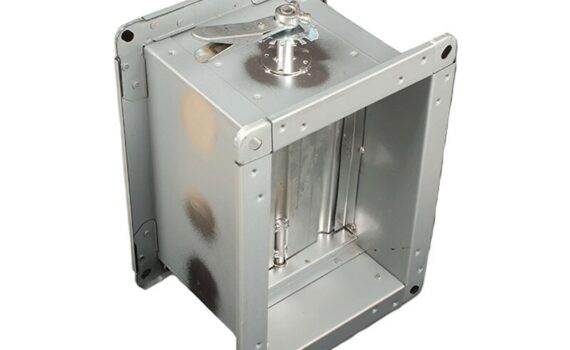
Aluminum Air Damper Valve

How to Choose the Right Damper Valve for Your System

Match Damper Type to Your HVAC System & Application Scenario

Effective HVAC damper valve selection begins with clearly defining the damper’s functional role within the system. For airflow modulation in variable air volume (VAV) systems, opposed-blade dampers provide superior linear flow characteristics compared to parallel-blade designs. For tight isolation in laboratory exhaust or healthcare isolation room applications, bubble-tight dampers with inflatable blade seals deliver zero-leakage performance that standard HVAC damper valves cannot achieve. For outdoor air economizer systems, barometric or gravity dampers with low-leakage ratings ensure that free cooling opportunities are captured without excessive energy waste. Fire and smoke damper selection must reference the specific fire-resistance rating of the penetrated assembly and the applicable code edition. Documenting the required function, operating conditions, control integration needs, and applicable code requirements in a formal damper schedule—before reviewing manufacturer catalogs—prevents the common error of selecting dampers based on price alone and discovering functional deficiencies after installation.

Size, Pressure Rating & Material Compatibility Checks

Proper HVAC damper valve sizing requires matching the damper face area to the duct cross-section while maintaining face velocities within acceptable ranges—typically 1,000 to 1,500 feet per minute for supply ducts and 500 to 1,000 FPM for return and exhaust applications. The damper frame and blade assembly must be rated for the maximum static pressure encountered in the duct system, including transient pressure spikes during fan startup or emergency ventilation events. Material selection must account for the airstream conditions: galvanized steel is standard for general HVAC applications, stainless steel is required for high-humidity or mildly corrosive environments, and coated or lined dampers are necessary for kitchen exhaust or chemical fume handling ducts. Actuator torque must be calculated based on blade area, operating pressure differential, and seal friction, with a minimum 50 percent safety factor applied. Oversizing actuators adds unnecessary cost, while undersizing actuators results in incomplete closure and increased leakage—both avoidable through proper engineering calculation during the HVAC damper valve specification process.

Total Cost of Ownership: Upfront Cost, Maintenance & Lifespan

Evaluating HVAC damper valves on total cost of ownership rather than purchase price alone reveals that the cheapest damper is rarely the most economical over its service life. A high-quality damper with a premium actuator may cost 30 to 50 percent more upfront but deliver 15 to 20 years of maintenance-free operation, while a budget damper may require actuator replacement within 3 to 5 years and seal replacement every 2 to 3 years—each service event requiring ductwork access, system shutdown, and technician labor. Energy cost implications are equally significant: a damper with AMCA Class I leakage ratings versus Class III can save thousands of dollars annually in a large commercial building through reduced fan energy and improved zone control precision. Factor in the cost of code compliance failures—failed fire damper inspections can trigger occupancy restrictions, liability exposure, and insurance complications—and the value premium for quality HVAC damper valves becomes clear. ENERGY STAR recommends evaluating dampers on a 20-year lifecycle cost basis that includes purchase price, installation labor, energy performance, maintenance frequency, and replacement cost to identify the true lowest-cost option.

HVAC Damper Valve Selection Matrix

ApplicationRecommended Damper TypeActuationLeakage ClassKey Standard
Zone Temperature ControlOpposed-Blade MotorizedElectric ModulatingAMCA Class IASHRAE 90.1
Fire Barrier PenetrationCurtain or Multi-Blade FireFusible Link (Spring)UL 555 ListedNFPA 80
Smoke ControlCurtain Smoke DamperElectric / PneumaticUL 555S ListedNFPA 105
Outdoor Air EconomizerParallel-Blade MotorizedElectric ModulatingAMCA Class I–IIASHRAE 90.1
Exhaust BalancingOpposed-Blade ManualLever / QuadrantAMCA Class IIISMACNA
Kitchen / Corrosive ExhaustStainless Lined LouverElectric On-OffApplication-SpecificIMC / Local Code

Sources: ASHRAE Handbook, NFPA Standards, ENERGY STAR, UL Product Certification.

For a complete range of HVAC damper valves—including zone control, fire and smoke rated, and custom-fabricated models for specialty applications—explore our complete product catalog.


Email:xicheng023@outlook.com

Contact us