
Stop Using Stainless Steel: 5 Reasons to Choose PP Dampers for Acidic Fume Systems
Category : Blog
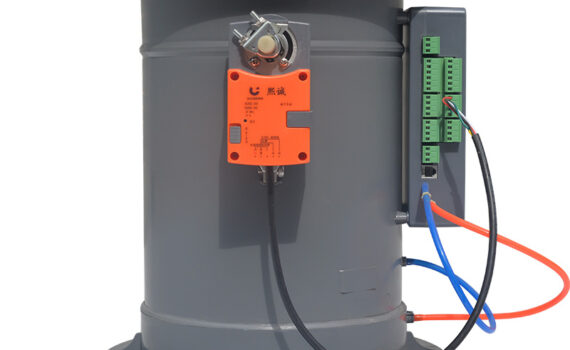
PP Dampers deliver unmatched performance in harsh environments. Engineers and specifiers worldwide now prefer PP Dampers over stainless steel for acidic fume systems. The switch brings clear, proven advantages in corrosion protection, cost efficiency, safety, and long-term reliability.
By choosing PP Dampers, facilities can eliminate the hidden risks and expenses associated with metallic components. This comprehensive guide explains exactly why PP Dampers have become the preferred solution for handling aggressive acidic exhaust streams.

Superior Corrosion Resistance of PP Dampers
How PP Dampers Withstand Highly Acidic Environments
Polypropylene (PP) is a high-performance thermoplastic polymer that offers exceptional resistance to a broad spectrum of aggressive chemicals. These include organic acids, inorganic acids, and strong alkalis that are commonly present in industrial exhaust streams from chemical processing, metal finishing, and pharmaceutical operations.
In real fume handling systems, PP Dampers face constant exposure to highly corrosive condensate. This forms when hot, moisture-laden acidic air cools inside the ductwork, creating concentrated acidic solutions that can reach pH levels as low as 1 or 2.
The molecular structure of PP provides complete chemical inertness. There are simply no free ions in the polymer matrix that can react with attacking acids, which completely prevents any chemical degradation, swelling, cracking, or material weakening over time. Unlike stainless steel that depends only on thin surface coatings or passive oxide layers for protection, PP Dampers deliver uniform, homogeneous resistance throughout the entire thickness of every component.
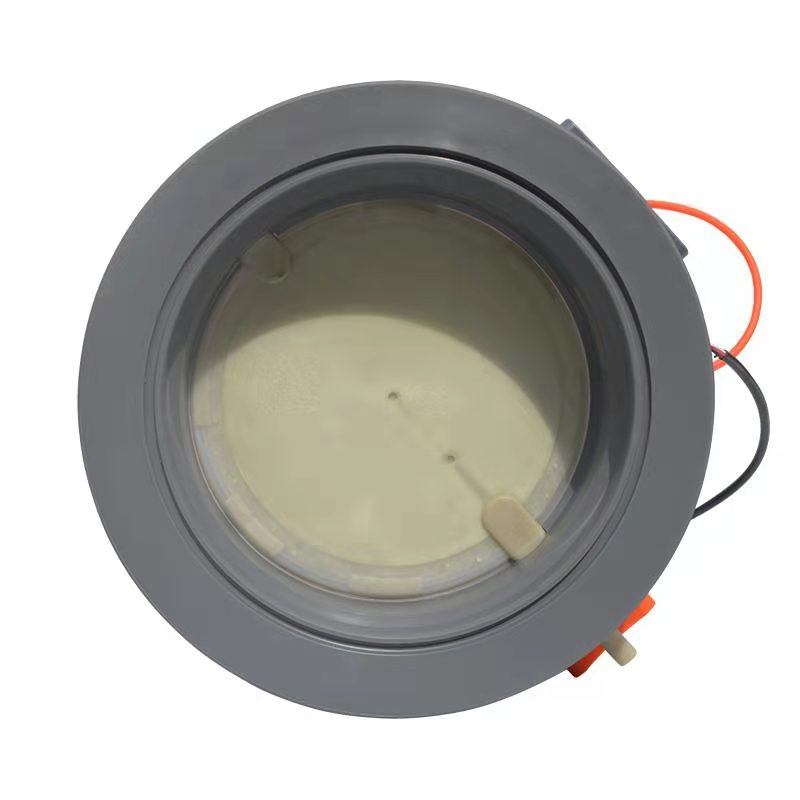
Modern PP Dampers also incorporate advanced UV stabilizers and impact modifiers during manufacturing. These additives ensure the units maintain perfect dimensional stability and tight sealing performance even under repeated thermal cycling conditions typical in industrial scrubber and exhaust systems.
As a direct result, PP Dampers routinely achieve operational lifetimes measured in decades, while stainless steel alternatives typically require replacement after just a few years of service.
The Failure Modes of Stainless Steel in Acidic Fume Systems
The popular term “stainless” unfortunately creates a false sense of security among many engineers and project specifiers. In severe acidic service conditions, even premium grades such as 316L stainless steel suffer from predictable and progressively destructive failure mechanisms that can compromise entire ventilation systems.
Pitting corrosion and crevice corrosion are the most frequent attack vectors. These are dramatically accelerated by the presence of chlorides, fluorides, and sulfates that are routinely found in industrial acid exhaust streams. When acidic condensate settles on damper blades, shafts, or housings, it systematically breaks down the protective chromium oxide layer that gives stainless steel its reputation. Once this passive film is breached, the underlying iron matrix becomes fully exposed, triggering aggressive galvanic corrosion that etches deep, stress-concentrating pits into the metal structure. Even more dangerous is Stress Corrosion Cracking (SCC). In environments that combine chlorides with tensile stress — exactly the conditions experienced by operating damper blades and rotating shafts — austenitic stainless steels can fracture suddenly and catastrophically without any significant prior metal loss or visible warning signs. Documented field studies of boiler chimney liners made from SS 304 have repeatedly shown accelerated wall thinning caused by acidic flue gas condensation. Chemical analysis of the deposits confirmed highly aggressive environments with pH values down to 2, dominated by sulfate ions that progressively destroy the metal. These failure modes prove that even systems originally designed as “dry” gas handling inevitably develop condensation points where liquid acid pools form, systematically destroying metallic components regardless of the alloy grade selected. For deeper technical insight, explore these external resources: A review of stress corrosion cracking of austenitic stainless steels and Stainless Steel Corrosion Case Studies. PP Dampers completely eliminate every one of these failure risks through their inherent material properties.
Real-World Examples of PP Dampers Outlasting Metal Alternatives
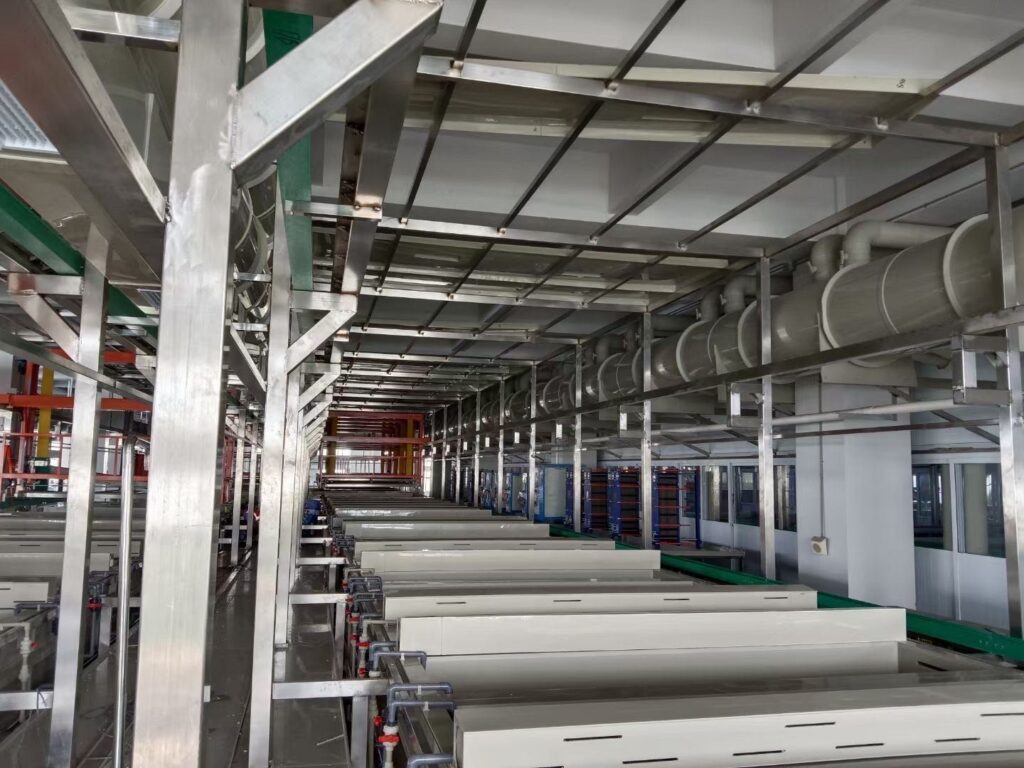
PP Dampers consistently demonstrate superior longevity across diverse industrial sectors including chemical processing, pharmaceutical manufacturing, semiconductor production, and metal finishing plants around the world.
In hydrochloric acid handling facilities within the chemical industry, operational records show that stainless steel dampers typically need complete replacement or extensive shaft and blade refurbishment within only 12 to 18 months after commissioning. The primary causes are bearing seizure and progressive edge erosion caused by ongoing acidic condensate attack. In identical applications, fully welded PP Dampers have delivered continuous, trouble-free service for 8 to 10 years or longer, requiring nothing more than routine visual inspections.
One large metal finishing plant processing hexavalent chromium and nitric acid exhaust went through several material iterations. Coated carbon steel dampers failed completely within six months. Next, 316L stainless steel units lasted only two years before pitting and leakage forced another replacement.
The final switch to PP Dampers eliminated all corrosion-related degradation. At the same time, the much lighter PP Dampers reduced deadweight loading on existing ductwork supports by approximately 85 percent. This simplified structural engineering requirements and dramatically improved overall system reliability and safety.
These real-world performance differences have led to widespread industry recognition: for acidic fume environments, engineered PP Dampers have moved far beyond being a simple alternative and have established themselves as the definitive standard for predictable, long-term performance and operational peace of mind.
Cost Savings and Operational Efficiency with PP Dampers
Lower Material and Installation Costs Compared to Stainless Steel
The economic benefits of selecting PP Dampers begin the moment you issue a purchase order and continue through every stage of installation and commissioning. Stainless steel pricing is notoriously volatile and expensive due to the high content of nickel and molybdenum required in corrosion-resistant alloys such as 317L or duplex grades needed for truly aggressive acidic service.
In contrast, polypropylene benefits from stable global petrochemical supply chains and mature manufacturing infrastructure, delivering predictable and significantly lower base material costs for PP Dampers.
Beyond raw material savings, the dramatic weight difference creates major installation economies. A typical PP Damper weighs 50 to 70 percent less than a functionally identical stainless steel unit. This directly reduces freight expenses, simplifies logistics planning, and cuts transportation carbon emissions.
Installation teams can easily position and secure PP Dampers without needing cranes, hoists, or heavy lifting equipment. This eliminates specialized rigging costs and reduces total labor hours by up to 40 percent on many projects. The weight advantage also cascades to supporting infrastructure. Lighter PP Dampers allow the use of lighter-gauge ductwork supports, reduced structural steel quantities, and simpler foundation designs, generating substantial cost savings throughout the entire balance-of-plant construction phase.
Reduced Downtime and Maintenance Expenses
Detailed operational expenditure analysis reveals the strongest long-term economic argument for adopting PP Dampers in acidic fume systems. Stainless steel dampers installed in corrosive service demand intensive, ongoing maintenance programs. Shafts require special acid-resistant lubricants, blades must be inspected frequently for early pitting, and housing seals often need replacement due to corrosion buildup on flange surfaces. Every maintenance intervention adds direct labor and material costs while exposing the facility to unplanned production interruptions. PP Dampers fundamentally break this expensive cycle. Their inherent material properties eliminate corrosion as a degradation mechanism entirely. The natural lubricity of polypropylene greatly reduces bearing and shaft seizure risks.
Additionally, the complete absence of rust scale formation prevents harmful particulate shedding that could otherwise damage downstream equipment such as fans, scrubber packing media, and sensitive control instruments. This built-in reliability translates into far fewer unplanned downtime events. For continuous manufacturing operations where each hour of lost production can cost tens of thousands of dollars, the predictable performance of PP Dampers delivers economic returns that quickly exceed any initial purchase price difference.
Energy Efficiency Gains from Lightweight PP Construction
Many hidden energy costs in fume handling systems accumulate steadily over the equipment’s operational lifetime, and the choice of damper material directly affects these ongoing expenses. Heavy stainless steel dampers require correspondingly large and power-intensive actuation systems — high-torque pneumatic or electric actuators that must overcome both friction and airstream pressure while moving heavy blades. The lightweight design of PP Dampers allows engineers to specify smaller, more energy-efficient actuators that still provide equal or better positioning accuracy and response speed. Furthermore, polypropylene surfaces are naturally smoother than mill-finished stainless steel. This reduces the friction factor and overall system pressure drop in airflow calculations.
Lower pressure drop enables centrifugal fans to operate at reduced speeds or against less resistance, resulting in proportionally lower electrical energy consumption while still delivering the required exhaust airflow volumes. Industry studies of ventilation and exhaust applications confirm that comprehensive use of polypropylene components — including PP Dampers, ductwork, and fittings — typically delivers average annual energy cost reductions of up to 20 percent compared with equivalent all-metallic systems. Over a typical 20-year facility lifespan, these savings represent a major contribution to both operational budgets and corporate sustainability goals.
Safety and Environmental Benefits of Choosing PP Dampers
Non-Corrosive and Non-Toxic Material Properties
Workplace safety and process integrity considerations make material selection a critical element of overall operational risk management. When stainless steel corrodes inside exhaust systems, the resulting metal oxides, rust particles, and corrosion byproducts do not simply vanish — they shed directly into the airstream. This can contaminate the very processes that exhaust systems are designed to protect. Cleanroom manufacturing, pharmaceutical production, and sensitive chemical bath applications cannot tolerate even microscopic metallic particulate contamination that affects product quality or introduces process variability. PP Dampers remove this contamination risk completely. The inert polypropylene surfaces never shed metallic particles, no matter how aggressive the airstream chemistry becomes. This ensures consistently pure exhaust streams and protects downstream process integrity at all times. Installation safety is another major differentiator. Stainless steel fabrication usually requires extensive hot-work permits, on-site welding, grinding, and the inherent fire hazards created by sparks in potentially explosive atmospheres. PP Dampers systems use only thermal welding or simple bolted flange connections. These methods completely eliminate ignition sources, allowing safe installation inside operating facilities or hazardous classified areas without production shutdowns.
Fire Resistance and Compliance with Safety Standards
Earlier concerns about plastic materials in industrial ventilation focused mainly on fire performance. Today’s advanced PP Dampers fully address these issues through specially formulated fire-retardant (FR) polypropylene grades developed for safety-critical applications. While standard polypropylene can sustain combustion under continuous flame exposure, FR-treated variants include proprietary additives that inhibit ignition and dramatically slow flame spread rates once fire begins. These materials exhibit self-extinguishing behavior immediately after the ignition source is removed, effectively preventing fire propagation through connected ductwork systems. Leading PP Damper manufacturers subject their products to rigorous independent testing according to international standards such as UL 94, consistently achieving the highest V-0 classification. This rating confirms that combustion stops within ten seconds on vertically oriented samples. In the rare event of a fire inside exhaust ductwork, properly specified FR PP Dampers maintain sufficient structural integrity to support emergency system activation while blocking flame transmission to other areas of the facility. These units also comply fully with European EN 13501-1 classifications and major international building codes, providing certified fire protection that works hand-in-hand with their superior corrosion resistance.
Comparison Table
| Comparison Parameter | PP Dampers (Polypropylene) | Stainless Steel (304/316L) | Impact / Insight |
| Corrosion Resistance in Acid | Excellent; chemically inert across entire pH range | Susceptible to pitting, crevice corrosion, and SCC | PP Dampers completely prevent acidic condensate damage |
| Specific Failure Mode | UV degradation (only if unstabilized); minor thermal effects above 80°C | Stress Corrosion Cracking and pitting in chlorides | Stainless steel fails without warning; PP Dampers fail safely |
| Material Density | ~0.91 g/cm³ (extremely lightweight) | ~8.0 g/cm³ (very heavy) | PP Dampers offer up to 8x weight reduction |
| Installation Requirements | Simple rigging; no hot work; minimal labor | Cranes, certified welders, extensive permits | PP Dampers cut installation time and costs dramatically |
| Maintenance Frequency | Very low; almost no bearing service needed | High; frequent shaft seizure and blade pitting | PP Dampers enable predictable scheduling and lower OPEX |
| Fire Safety Rating | UL94 V-0 achievable with FR additives | Inherently non-combustible | FR PP Dampers meet all global building and safety codes |
| Environmental Footprint | Low carbon; fully recyclable at end of life | High carbon; energy-intensive recycling | PP Dampers support sustainability and circular economy goals |
Ready to upgrade your system?
Switch to PP Dampers today and enjoy decades of reliable, corrosion-free, cost-effective service in even the most aggressive acidic fume environments. Contact a qualified PP Damper supplier to begin your project evaluation and see the difference for yourself.