
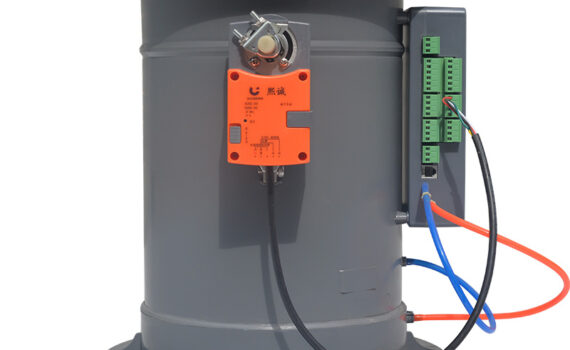
HVAC Damper Valve Problems: Troubleshooting Guide to Fix Common Issues
Category : Blog
HVAC damper valves are critical components that control airflow and temperature zones in heating and cooling systems. When these valves malfunction, they can cause uneven temperatures, reduced efficiency, and increased energy bills. According to the U.S. Department of Energy, properly functioning dampers can improve HVAC efficiency by up to 20%. This comprehensive troubleshooting guide covers initial diagnostics, common problems, and step-by-step fixes for HVAC damper valve issues.
Whether you’re a homeowner experiencing comfort problems or a facility manager maintaining commercial systems, understanding damper valve troubleshooting can save time and money. This guide provides practical solutions while emphasizing when to call professionals for complex repairs.
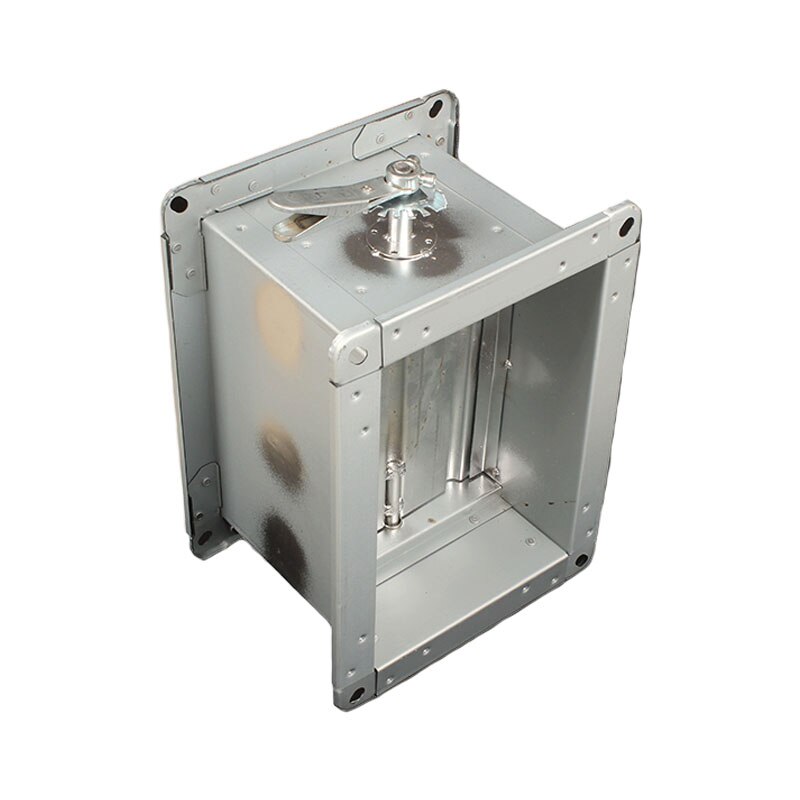
Initial Quick Diagnostics for Damper Valve Issues
First Check: Basic Settings, Power & Thermostat Configuration
Before diving into complex diagnostics, verify basic system settings. Ensure your HVAC system is powered on and the thermostat is set correctly. Check that the thermostat is in “Auto” mode rather than “On” for proper damper operation. Verify that zone controls are enabled if you have a zoned system. Dead thermostat batteries can also cause damper valve malfunctions, so replace them if needed.
According to the Air Conditioning Contractors of America (ACCA), incorrect thermostat configuration accounts for nearly 30% of perceived damper problems. Always start with these simple checks before assuming mechanical failure. If you have a smart thermostat, ensure it’s properly connected to your HVAC system and that all zone settings are configured correctly.
Test Damper Operation to Confirm the Root Malfunction
Manually test each damper valve to confirm whether the issue is mechanical or electrical. Locate your zone dampers in the ductwork (typically near the air handler or in main trunk lines). Manually move the damper lever to see if it moves freely. If it’s stuck, this indicates a mechanical problem. For motorized dampers, use a multimeter to check for power at the actuator when the thermostat calls for heating or cooling.
Listen for the sound of the actuator motor when the system cycles. A humming sound without movement suggests a stuck damper, while no sound at all may indicate an electrical issue. Document which zones are affected and whether the problem is consistent or intermittent. This information will help determine if the issue is isolated to specific dampers or affects the entire system.
Inspect for Visible/Audible Signs of Damper Failure
Conduct a visual inspection of accessible dampers for physical damage, corrosion, or debris buildup. Check for loose connections, damaged linkages, or worn gears in manual dampers. For motorized dampers, inspect the actuator for signs of overheating, burning smells, or visible damage. Listen for unusual noises like grinding, squealing, or rattling that could indicate mechanical wear.
Use a flashlight to examine dampers in dark duct spaces. Look for signs of moisture damage, which can cause corrosion and sticking. If you notice excessive dust or debris around dampers, this could indicate poor filtration or duct leakage. Document all findings with photos if possible, as this helps professionals diagnose issues more quickly if you need to call for service.
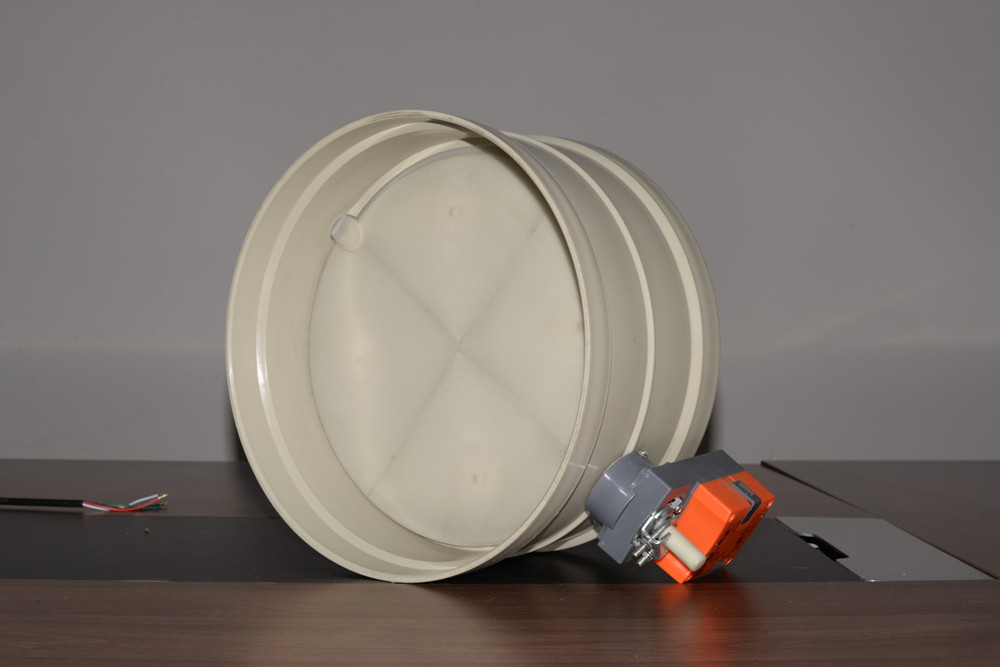
Common Damper Valve Problems & Root Causes
Stuck/Unresponsive Dampers: Most Common Failure Causes
Stuck dampers are the most frequent HVAC damper valve problem, typically caused by debris accumulation, mechanical wear, or corrosion. In residential systems, dust and pet hair can jam damper blades, while in commercial settings, construction debris or pest infestations may be the culprit. Temperature extremes can also cause metal dampers to expand and bind in their tracks.
Mechanical wear occurs over time, especially in systems with frequent cycling. Gears, linkages, and bearings can wear out, preventing smooth operation. Corrosion from moisture or chemical exposure is another common cause, particularly in coastal areas or industrial environments. According to ASHRAE, proper damper selection and installation are critical for maintaining balanced airflow. Regular filter changes and annual inspections can prevent many of these issues.
Airflow Imbalance & Uneven Zoned Temperature Issues
Damper valve problems often manifest as uneven temperatures between zones. When dampers fail to open or close properly, some rooms receive too much conditioned air while others get too little. This imbalance forces the HVAC system to work harder, increasing energy consumption and reducing equipment lifespan.
The root causes include misaligned dampers, incorrect calibration, or faulty zone controls. In some cases, ductwork design issues compound damper problems. If you notice consistent temperature variations between rooms, damper valves should be among the first components inspected. For comprehensive indoor air quality management, the EPA recommends regular HVAC system inspections.
Noisy Operation & Damper Actuator Malfunctions
Unusual noises from dampers or ductwork often indicate mechanical problems. Clicking sounds may suggest a failing actuator motor, while rattling could indicate loose components. Whistling noises might indicate air leakage around damper seals or improper damper positioning.
Actuator malfunctions are common in motorized dampers. Causes include failed motors, damaged wiring, or control board issues. In some cases, the actuator may receive power but fail to move due to internal mechanical failure. Professional diagnosis is often needed for actuator replacement or repair, as these components are typically integrated with zone control systems.
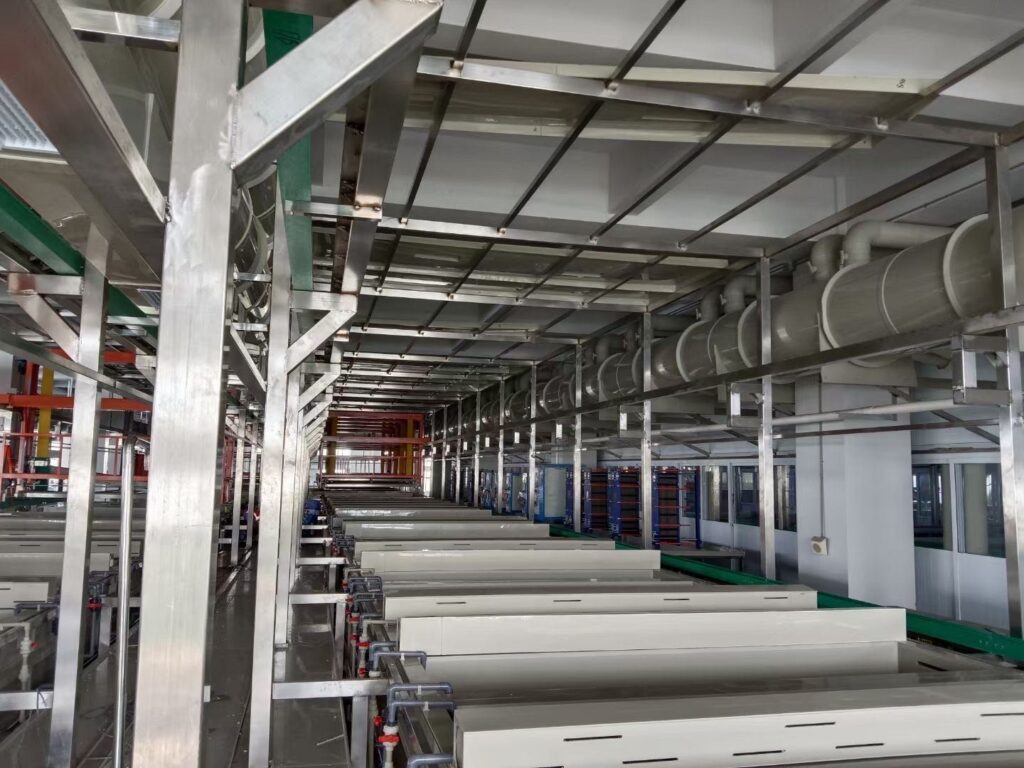
Step-by-Step Fixes & Long-Term Prevention
DIY Quick Fixes for Minor, Easy-to-Resolve Damper Issues
For stuck manual dampers, try cleaning the blades and tracks with a vacuum and soft brush. Apply a light lubricant like silicone spray to moving parts (avoid oil-based lubricants that attract dust). For motorized dampers, check the actuator linkage for obstructions and ensure all electrical connections are secure.
Reset zone control systems by turning off power for 30 seconds, then restoring it. This can clear electronic glitches. For minor calibration issues, follow your system’s manual to adjust damper positions. Always turn off power before working on electrical components, and never force a stuck damper—this can cause further damage.
When to Call an HVAC Professional for Complex Repairs
Call a professional if you encounter electrical issues, extensive corrosion, or multiple dampers failing simultaneously. Complex repairs like actuator replacement, ductwork modifications, or zone control system troubleshooting require specialized tools and expertise. If your HVAC system is under warranty, professional service may be required to maintain coverage.
Signs that you need professional help include burning smells, repeated circuit breaker trips, or dampers that fail immediately after repair attempts. Commercial systems with building automation integration also typically require professional service due to their complexity.
Preventive Maintenance to Avoid Future Damper Problems
Schedule annual HVAC maintenance that includes damper inspection and calibration. Keep filters clean to prevent debris buildup, and ensure proper ventilation in mechanical rooms to reduce moisture and corrosion. For commercial buildings, consider preventive maintenance contracts that include regular damper testing and adjustment.
Educate building occupants about proper thermostat use and report temperature inconsistencies promptly. For systems in harsh environments, consider upgrading to corrosion-resistant dampers or actuators. Regular maintenance not only prevents damper problems but also improves overall system efficiency and extends equipment life. For professional damper valve solutions and components, visit https://ppairvalve.com/.